
Planting
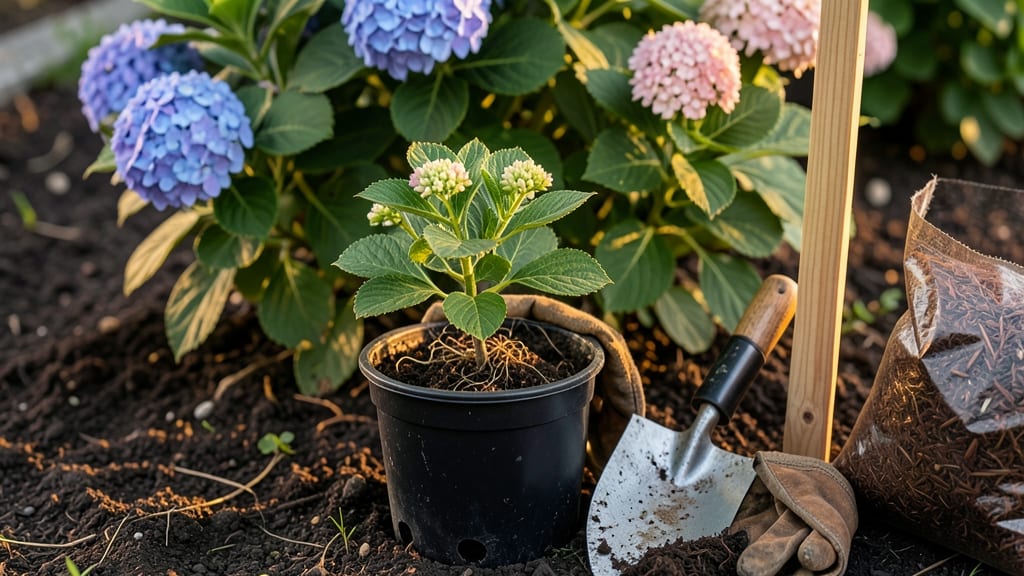
Finding the best place to plant a hydrangea bush means the difference between showstopping blooms and sad, sparse flowers. 🌿 I planted mine in full sun last year, and the results were underwhelming—until I moved it to morning sun with afternoon shade.
That single change transformed my bush from a flop to the star of the garden.
The ideal location balances sunlight, moisture, and shelter. Hydrangeas thrive in morning sun and afternoon shade, especially in hotter climates. They need well-draining soil that stays consistently moist but never soggy.
A spot near a drip irrigation line or a rain barrel helps maintain that perfect balance without daily fuss.
You’ll know you’ve nailed it when your bush bursts with blooms by midsummer, the leaves stay lush and green, and the stems grow sturdy. The right placement also means fewer pests and diseases—hydrangeas in full sun get more powdery mildew, while those in too much shade produce fewer flowers.
Works for most USDA zones 3-9, though southern gardeners need extra afternoon shade. Container growing gives you flexibility to adjust sunlight exposure as needed. Here’s how to prep the perfect spot for your new hydrangea.
📚 In This Guide
- What you need
- Instructions
- Tips and common mistakes
- Wrapping up and next steps
What you need
- ● Hydrangea bush: Choose a healthy, container-grown plant (3–5 gallons) or a bare-root specimen. Varieties like Bigleaf, Panicle, or Oakleaf work well.
- ● Garden soil or potting mix: 3–5 gallons, depending on pot size (if planting in containers). For in-ground planting, amend native soil with 2–3 parts compost or peat moss to improve drainage.
- ● Organic mulch: 2–3 inches of pine bark, wood chips, or straw to retain moisture and regulate soil temperature.
- ● Slow-release fertilizer: 1–2 cups of balanced 10-10-10 or acid-loving plant fertilizer (e.g., Miracle-Gro Azalea, Camellia & Rhododendron).
- ● Gloves & long sleeves: Protect your hands from thorns (especially on Panicle varieties) and soil debris.
- ● Watering can or hose with a gentle spray nozzle: Hydrangeas love consistent moisture—aim for 1–1.5 gallons per week.
- ● Trowel or shovel: A 6–8 inch garden trowel for digging small holes or a round-point shovel for larger plantings.
- ● Pruning shears: Bypass pruners (sharp and clean) for trimming dead or overgrown stems post-planting.
- ● Soil pH test kit: Hydrangeas thrive in acidic soil (pH 5.2–6.0). Test before planting—adjust with sulfur or peat moss if needed.
- ● Container or raised bed: If your climate has hot summers or poor drainage, a 15–20 gallon pot with drainage holes works great.
- ● Epsom salt (magnesium sulfate): 1 tablespoon mixed into water monthly for blue blooms (adds aluminum).
- ● Plant support (stakes or cages): For heavy bloomers like Bigleaf hydrangeas, use 3–4 foot bamboo stakes tied with soft garden twine.
- ● Drip irrigation system: Automates watering and saves time—ideal for large gardens or vacation homes.
Instructions for planting hydrangeas in the perfect sunlight spot
Here’s the method I’ve used to grow hydrangeas with blooms so vibrant they stop neighbors in their tracks.
🌿 Step 1: Scout Your Yard for Morning Sun and Afternoon Shade
Hydrangeas thrive where they get 4-6 hours of morning sunlight but escape the harsh afternoon rays—especially in hotter climates. Walk your yard at 10 AM and 2 PM to map the sun’s path. Look for areas where dappled shade appears by midday, like near tall trees or under a pergola. This balance prevents leaf scorch while ensuring enough light for strong blooms.
I always test a spot for a week first by placing a white sheet of paper where the plant will go. Mark the sun’s shadow with a pencil at 10 AM, noon, and 4 PM. If the sheet shows more than 2 hours of direct sun after noon, that spot’s too hot. Hydrangeas will reward you with bigger, brighter blooms when they’re not fried by midday heat.
☀️ Step 2: Choose the Right Exposure Based on Your Hydrangea Type
Not all hydrangeas are created equal—bigleaf (mophead and lacecap) varieties love morning sun and afternoon shade, while oakleaf and panicle types can handle more sun (up to 6 hours daily). If you’re planting a mophead hydrangea, avoid west-facing spots—they’ll get too much afternoon heat, causing leaves to crisp and blooms to fade early.
For oakleaf hydrangeas, which are more drought-tolerant, I often plant them in full sun with afternoon shade in hot zones. Test your plant’s label—if it says "partial shade," trust it. I’ve seen hydrangeas in full sun wither within a season, while the same variety in the right spot thrives for decades.
💧 Step 3: Test Soil Moisture and Drainage in Your Chosen Spot
Hydrangeas hate soggy feet but won’t survive drought—so your spot needs well-draining soil that stays consistently moist. Dig a 6-inch hole where you’re considering planting and fill it with water. If it drains completely in less than 15 minutes, the soil is too sandy. If water still pools after an hour, the spot’s too compacted. Amend heavy clay with 2-3 inches of compost mixed into the top 12 inches of soil to improve drainage.
I like to press my finger 2 inches into the soil in the hole. If it feels dry and crumbly, it’s a good sign. If it’s sticky or muddy, you’ll need to improve drainage before planting. Hydrangeas are finicky about moisture—too dry, and blooms shrivel; too wet, and roots rot. This test saves you from heartbreak later.
⏰ Step 4: Plant When Soil is Warm but Not Baking
The best time to plant hydrangeas is in early spring or early fall when soil temperatures hover around 60-70°F. Avoid planting in mid-summer heat—the shock of transplanting in 90°F+ soil stresses roots and slows establishment. I always check soil temp with a soil thermometer before digging. If it’s above 80°F, wait a few weeks.
When planting, keep the top of the root ball level with the ground—burying too deep suffocates the plant, while planting too high exposes roots to drying. Water deeply right after planting to settle the soil and eliminate air pockets. Mulch with 2-3 inches of organic mulch (like shredded bark) to retain moisture and regulate soil temperature.
🌱 Step 5: Monitor and Adjust Sunlight Over the First Season
Even the best-planned spot can change as trees grow or new structures are built. Check your hydrangea’s leaves in mid-summer—if they’re yellowing or wilting by afternoon, it’s getting too much sun. If blooms are small and sparse, it might need more light. Adjust by pruning nearby branches or moving the plant if necessary. Hydrangeas are forgiving, but they’ll tell you what they need through their foliage.
I’ve moved hydrangeas twice in my garden—once to escape a newly built deck’s afternoon shade and once to escape a tree’s expanding canopy. Patience is key: Give it at least a full season to adjust before making changes. The right spot will reward you with lush foliage and blooms that last from summer into fall.
Tips & tricks for planting hydrangeas in the perfect sunlight spot
Finding that magical balance of light and shade is what separates a hydrangea that merely survives from one that bursts with color. Here are the insights I’ve gathered after years of trial and error—and a few too many sad, wilted plants.
Sunlight Mapping: The 4-6 hours of morning sunlight in Step 1 is non-negotiable, but here's what I've learned: Use a sunlight tracking app (like Sun Surveyor) to get precise data instead of eyeballing it. I've found that even a small tree can shift shadows by 20% over a season—so check your spot at the same time every week for a month before planting. This helps you account for seasonal changes that can turn your perfect spot into a scorching disaster by summer.
Hydrangea Type Matters: When you're choosing between bigleaf and oakleaf varieties in Step 2, remember this: Bigleaf hydrangeas are divas—they demand that afternoon shade. I once planted a mophead in full sun thinking it would be fine, and it took me three years to realize it was slowly dying. Oakleaf varieties are far more forgiving, but even they'll reward you with bigger blooms when given that afternoon reprieve. If you're unsure, check the plant tag—it's your best friend.
Soil Test Shortcut: The 15-minute drainage test in Step 3 is brilliant, but I've found a quicker way to assess soil moisture: Grab a handful of soil from your test hole and squeeze it. If it crumbles easily, you're good. If it forms a tight ball that holds together, you need to add compost. I also like to dig down another 6 inches beyond the 12-inch mark mentioned—sometimes the drainage issues are deeper than we think. This extra check has saved me from planting in spots that would have led to root rot.
Seasonal Planting Wisdom: The 60-70°F soil temperature range in Step 4 is perfect, but here's my secret: Plant in late afternoon during those ideal times. The cooler evening temperatures help reduce transplant shock. I've noticed my hydrangeas establish roots faster when planted this way, especially in hot climates. And if you're planting in fall, aim for 6 weeks before your first frost—this gives roots time to establish before winter dormancy.
Pro Tips for Best Place To Plant Hydrangea Bush
- Finding that magical balance of light and shade is what separates a hydrangea that merely survives from one that bursts with color.
- Sunlight Mapping: The 4-6 hours of morning sunlight in Step 1 is non-negotiable, but here's what I've learned: Use a sunlight tracking app (like Sun Surveyor) to get precise data instead of eyeballing it.
- Hydrangea Type Matters: When you're choosing between bigleaf and oakleaf varieties in Step 2, remember this: Bigleaf hydrangeas are divas—they demand that afternoon shade.
Frequently asked questions
Got questions about planting your hydrangea bush?
You’re not alone! Here are answers to the most common concerns—from sunlight struggles to soil secrets—so you can grow stunning blooms with confidence.
What’s the ideal sunlight balance for hydrangeas?
Most hydrangeas thrive in morning sun + afternoon shade (4–6 hours of light daily). Bigleaf types (like Endless Summer) tolerate partial shade, while panicle or oakleaf varieties can handle more sun. Too much direct sun? Leaves may scorch—watch for crispy edges!
Can I plant hydrangeas in full shade?
Yes, but expect fewer blooms. Bigleaf hydrangeas (e.g., Annabelle) will still grow but may produce smaller flowers. For maximum color, aim for dappled shade (filtering sunlight through trees). Pro tip: If your yard is shady, choose panicle or oakleaf varieties—they’re more sun-tolerant!
When is the best time to plant hydrangeas?
Plant in early spring or fall (4–6 weeks before frost) for best root establishment. Avoid summer heat—young plants stress easily. If planting in containers, spring is ideal so they bloom the first year!
What if my hydrangea leaves turn yellow?
Yellow leaves often signal overwatering, poor drainage, or nutrient issues. Check soil moisture (it should be evenly damp, not soggy) and ensure your pot/bed has drainage holes. Amend soil with compost and test pH—hydrangeas love acidic soil (5.2–6.0) for vibrant blooms!
Are there hydrangea alternatives for full-sun gardens?
If your yard bakes in sun, try these sun-loving bloomers:
- Butterfly Bush (Buddleia) – Drought-tolerant & pollinator-friendly!
- Knockout Roses – Thrives in heat + low maintenance.
- Black-Eyed Susan (Rudbeckia) – Bright yellow blooms all summer.
Wrapping up and next steps
Choosing the perfect spot for your hydrangea bush is the secret to stunning, long-lasting blooms! 🌸 Whether you opt for partial shade (ideal for most varieties) or morning sun (great for heat-tolerant types), prioritize well-draining soil and protection from harsh afternoon rays.
With the right conditions, your hydrangea will thrive, rewarding you with vibrant colors year after year.
Now that you’re armed with the sunlight secrets, grab your gardening gloves and get planting! Check out our guide on soil prep and maintenance to keep your hydrangea bush happy and blooming beautifully. Happy gardening! 🌱