
Pruning
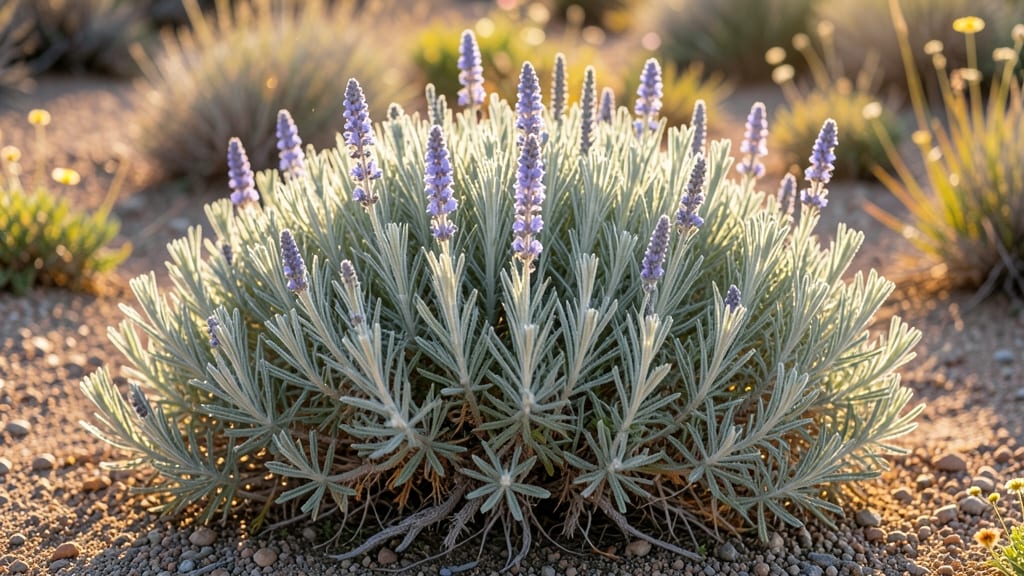
Pruning your Arizona sage bush isn't just about shaping—it's about unlocking that signature arid-land fragrance that makes your yard smell like a desert sunrise. 🌵 I've learned the hard way that skipping this step means losing both the bushy form and that intoxicating scent that hummingbirds adore.
The key is timing: prune in late winter or early spring when new growth is just waking up, but never after summer's heat sets in.
You'll need sharp pruning shears (dull blades tear stems), gloves to protect from those spiky leaves, and a clear day to see what you're doing. The goal is to remove no more than one-third of the plant at a time—this keeps it healthy and encourages dense, fragrant foliage.
Focus on shaping the outer edges while leaving the center open for airflow, which prevents fungal issues in our dry but occasionally humid monsoons.
What you end up with is a bush that stays compact, smells amazing when brushed against, and produces those signature purple flower spikes that attract pollinators. The fragrance—earthy with a hint of citrus—peaks after pruning, making your patio or garden smell like a native Sonoran Desert at its finest.
Plus, the new growth is softer and more manageable than those old, woody stems.
This technique works year-round in Arizona's climate, but spring and fall are the sweet spots. For container-grown sage, you can prune more aggressively since they have less root competition. Just remember: the more you prune, the more fragrant the leaves become—nature's air freshener, right in your yard.
📚 In This Guide
- What you need
- Instructions
- Tips and common mistakes
- Wrapping up and next steps
What you need
- ● Pruning shears: Sharp, bypass-style shears (for clean cuts) or anvil-style for thicker stems (4–6 inches long). Sterilize with rubbing alcohol before use!
- ● Loppers: 1 pair (for branches up to 2 inches thick). Look for ratcheting or bypass models for precision.
- ● Heavy-duty gloves: 1 pair (thick, cut-resistant, like mechanics’ gloves or pruning gloves). Sage spines are no joke!
- ○ Disposable pruning bags: 1–2 bags (13-gallon capacity) to collect clippings. Optional but handy for easy cleanup.
- ● Hose with nozzle: For post-pruning hydration. A gentle spray keeps the bush happy.
- ● Rake: 1 medium-sized (for clearing debris around the base). A leaf rake works great.
- ● Pruning saw: For thick, woody stems (if your sage has any). A curved blade is ideal.
- ● Antiseptic wound sealant (like Tanglefoot Tree Wound Pruning Seal): For large cuts to prevent disease. Use sparingly—only on cuts bigger than ½ inch.
- ● Garden kneeler/pad: For comfort if your sage is ground-level or in tight spaces.
- ● Spray bottle with water: To mist leaves during hot pruning sessions (keeps them from drying out).
- ● Notebook & pen: To jot down pruning notes (like growth patterns or areas needing extra attention).
- ● ✅ Best time to prune: Early spring (March–April) or right after flowering (late summer). Avoid pruning in fall or winter—sage needs energy to survive dry Arizona winters!
- ● ✅ Weather check: Prune on a cool, overcast day or in the early morning. Sage hates midday heat stress.
- ● ✅ Safety first: Wear closed-toe shoes—sage spines and falling branches can be sneaky!
- ● 💡 Pro tip: If your sage is overgrown or leggy, prune back by ⅓ to encourage bushier growth. Never cut into old wood—it won’t regrow!
Step-by-step guide to pruning Arizona sage bushes
Transform your Arizona sage into a fragrant, well-shaped beauty with these simple, seasonal techniques.
✂️ Step 1: Prune for Shape in Late Winter
Wait until late February or early March when new growth begins but before buds swell. Grab your pruners and remove any dead, crossing, or crowded branches first—these compete for energy and spoil the bush's natural form. I like to start at the bottom and work upward, shaping the plant into a rounded silhouette. Arizona sage thrives with an open, airy structure, so avoid shearing into a tight ball.
Cut just above a leaf node or outward-facing bud where you want new growth to emerge. You'll see the plant's natural branching pattern more clearly once you remove the deadwood. For a fuller look, trim the tips of the longest branches by about one-third. This encourages bushier growth while keeping the plant's signature silvery foliage intact.
🌿 Step 2: Encourage Fragrance with Mid-Season Trimming
In late spring or early summer, focus on promoting aromatic foliage. Sage releases its best fragrance when leaves are mature but not woody. Trim back any leggy stems that have outgrown their space—these often lose their scent as they age. I target stems that are over 12 inches long, cutting them back by half to stimulate fresh, fragrant growth.
Here's the thing—don't cut into old, bare wood. If you see a stem with no leaves, it's past its prime and won't regrow well. Instead, look for stems with at least a few leaves and cut just above a healthy bud. You'll notice the plant filling out more densely within a few weeks, and the leaves will smell noticeably stronger.
⏰ Step 3: Light Maintenance Through Summer
During the peak growing months (June-August), focus on tidying up rather than heavy pruning. Remove any flower spikes as they appear—they sap energy from foliage growth. Sage flowers are pretty, but they detract from the plant's lush, green appearance. I also snip off any branches that look diseased or pest-infested immediately to prevent spread.
Water deeply but infrequently—once every 1-2 weeks unless your area experiences extreme heat. Overwatering causes root rot, which weakens the plant and makes it more susceptible to pests. You'll know the soil is right when it's dry 2-3 inches down but still holds moisture near the surface. This balance keeps your sage healthy and fragrant.
🌱 Step 4: Prepare for Winter with Minimal Trimming
In fall (October-November), give your sage a gentle cleanup before winter. Remove any remaining dead or damaged branches, but avoid heavy pruning—you want the plant to enter dormancy with plenty of energy. I also trim back any stems that grew too long during summer, cutting them back to maintain a neat shape.
This is also the time to mulch around the base with 2-3 inches of organic mulch (like bark or straw). The mulch protects roots from freezing temperatures and retains moisture. Don't pile it against the stem—leave a 2-inch gap to prevent rot. Your sage will thank you with vibrant new growth come spring.
Tips & tricks for perfect Arizona sage bush pruning
These small adjustments will help you keep your Arizona sage thriving with maximum fragrance and shape all year.
Timing is Everything: The late February to early March window for winter pruning is critical—this is when your sage is just waking up from dormancy but before new buds form. I've learned the hard way that pruning too early can stimulate growth that gets nipped by late winter frosts, while waiting too long risks removing next year's flower buds. Look for those tiny green tips at the base of stems as your cue to start.
Pruning Technique Matters: When cutting back those leggy stems in late spring, make your cuts at a 45-degree angle just above a leaf node or outward-facing bud. This angled cut prevents water from pooling on the stem, which reduces rot risk. I use clean, sharp pruners and make one smooth cut per stem—no jagged edges that can tear the bark and invite pests. For the one-third trimming in Step 1, count the leaf nodes on the longest branches to ensure you're removing exactly that portion.
Seasonal Adjustments: During summer's peak growing months, resist the urge to over-prune. Your goal is light maintenance—think of it as giving your sage a haircut rather than a complete makeover. I've noticed that removing just the flower spikes (which appear in late spring) redirects the plant's energy back into leaf production, keeping that signature sage fragrance strong. And that 2-3 inch mulch in fall? It's not just about insulation—it also helps regulate soil moisture, which is especially important in Arizona's dry climate.
Tool Maintenance: Your pruners are just as important as your timing. Clean them with rubbing alcohol after each use to prevent the spread of bacterial diseases between cuts. I also sharpen my blades annually—dull pruners crush stems instead of making clean cuts, which stresses the plant. For larger branches, use loppers with bypass blades that make clean cuts without tearing the bark.
Pro Tips for Arizona Sage Bush
- These small adjustments will help you keep your Arizona sage thriving with maximum fragrance and shape all year.
- Timing is Everything: The late February to early March window for winter pruning is critical—this is when your sage is just waking up from dormancy but before new buds form.
- Pruning Technique Matters: When cutting back those leggy stems in late spring, make your cuts at a 45-degree angle just above a leaf node or outward-facing bud.
Frequently asked questions
When is the best time to prune Arizona sage?
The ideal window is late winter or early spring (February–March), just as new growth begins. Avoid pruning in fall or winter—it can stress the plant before dormancy. If you missed the window, a light trim in summer (June–July) works, but avoid heavy cuts during peak heat.
How much can I trim back without harming the bush?
You can safely prune up to one-third of the plant’s height in a single session, but avoid cutting into old, woody stems—focus on green, flexible growth. Over-pruning may reduce flowering or invite pests. For mature bushes, spread trims over 2–3 years to maintain shape gradually.
Why does my Arizona sage look sad after pruning?
Leggy growth, yellowing leaves, or sparse foliage often mean too much pruning at once or stress from heat/water issues. Solution: Water deeply post-prune, avoid fertilizing immediately, and trim in cooler mornings. If pests (like spider mites) appear, use neem oil—sage is drought-tolerant but hates soggy roots!
Can I use Arizona sage as a hedge? How often should I trim?
Sage thrives as a formal hedge with regular trims every 4–6 weeks during growing season (spring–fall). Use sharp shears for clean cuts, and shape it like a rounded cloud (not flat) to encourage airflow. For fragrant hedges, prune after flowering to preserve scent.
What’s a good alternative if my sage won’t recover after pruning?
If your bush struggles, try propagating cuttings from healthy stems (4–6 inches long). Dip in rooting hormone, plant in cactus soil, and keep in partial shade until rooted. For instant impact, swap it with Texas ranger sage (Leucophyllum frutescens)—it’s equally drought-tolerant and blooms after rain!
Wrapping up and next steps
The Arizona sage bush thrives with care, and pruning isn’t just about aesthetics—it’s about revitalizing its growth, fragrance, and resilience. Whether you’re trimming for shape, controlling size, or encouraging blooms, the key is consistency and timing.
Now that you’re armed with the right tools, techniques, and tips, there’s no better time to roll up your sleeves and get pruning! 🌿✂️
Ready to transform your sage bush into a fragrant, picturesque centerpiece? Start small—pick one section to prune this weekend, and watch your efforts bloom into a stunning, low-maintenance landscape highlight. Happy gardening!