
Shrubs
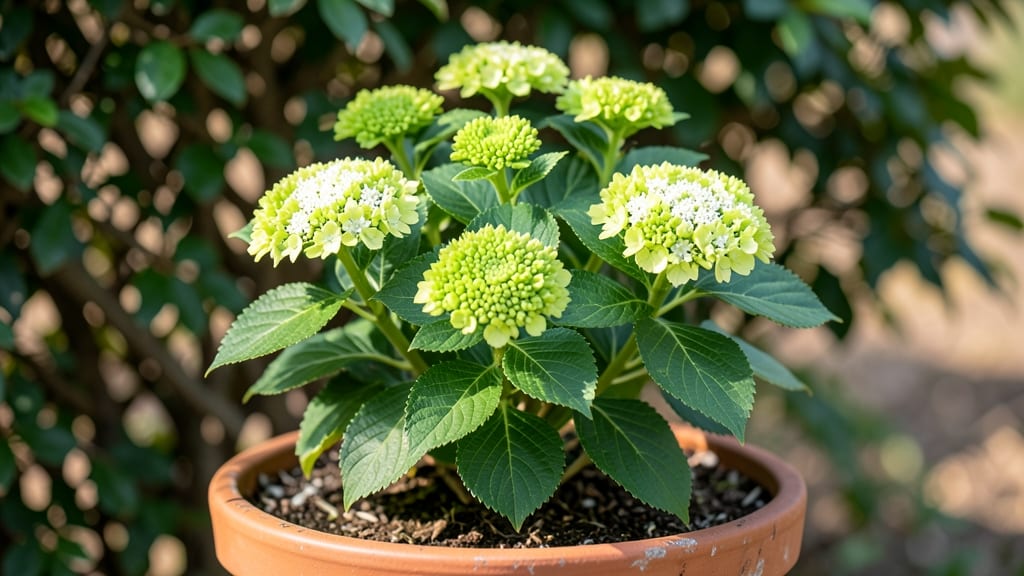
Yes, there are small hydrangea bushes as carefully bred dwarf varieties that stay between 2-3 feet tall, making them perfect for patios, balconies, or small garden beds while still producing abundant, colorful blooms.
These compact hydrangeas achieve their petite size through selective breeding that controls both root spread and shoot growth. 🌿 Unlike their larger counterparts, dwarf varieties like 'Little Lime' or 'Penny Mac' focus their energy on producing vibrant flowers rather than excessive foliage, which makes them ideal for container gardening.
Their shallow root systems also mean they're less invasive while still thriving in well-draining soil with consistent moisture—just don't let them sit in soggy conditions!
What makes these small hydrangeas particularly appealing is their ability to deliver big blooms in tiny packages. Many varieties rebloom throughout the season, giving you months of color without requiring a massive garden footprint.
For example, 'Endless Summer' produces pink or blue flowers continuously from spring until frost, all while staying neatly contained in a 3-foot diameter space.
💡 In This Article
- How Dwarf Hydrangea Varieties Stay Compact
- Best Small Hydrangea Varieties for Containers and Small Gardens
How dwarf hydrangea varieties stay compact
Dwarf hydrangeas achieve their petite stature through a combination of genetics and precise horticultural practices. Breeders selectively cultivate varieties with naturally short internodes—the segments between leaves—along with restricted root growth patterns.
For example, the 'Little Lime' variety has been bred to have 30-40% shorter internodes than standard hydrangeas, resulting in a more compact growth habit while maintaining the same leaf structure. This genetic modification ensures the plant directs its energy upward rather than outward, creating a bushy yet controlled shape.
The root systems of dwarf varieties also play a crucial role in their compactness. Unlike their larger counterparts, these shrubs develop a shallow but dense root network that spreads only about 12-18 inches wide, making them perfect for containers or small garden beds.
This limited root spread prevents the plant from becoming invasive while still allowing it to absorb sufficient nutrients and water. 🌱 The trade-off is that they require more frequent watering—typically 1-2 times per week during dry spells—to maintain their vibrant blooms without stressing the roots.
Pruning techniques further control their size and encourage abundant flowering. Most dwarf hydrangeas benefit from light pruning in late winter or early spring, removing only the dead or overcrowded stems. This approach stimulates new growth from the base while preventing the plant from becoming leggy.
For varieties like 'Endless Summer,' which bloom on both old and new wood, pruning is even gentler—just trimming back about 1/3 of the oldest stems each year maintains their compact form without sacrificing flowers.
Another key factor is their growth rate. Dwarf hydrangeas typically grow only 6-12 inches per year, compared to 2-3 feet per year for standard varieties. This slower growth allows gardeners to shape them easily without constant maintenance.
For instance, 'Penny Mac' grows just 2-3 feet tall and wide, making it ideal for small spaces where larger shrubs would overwhelm the area. The slower growth also means they require less frequent repotting—every 2-3 years for container-grown plants.
What most gardeners don't realize is how these compact varieties still produce large, showy blooms relative to their size. The secret lies in their flower-to-foliage ratio—dwarf hydrangeas allocate a higher percentage of their energy to blooming rather than leaf production.
For example, 'Annabelle' hydrangeas can produce up to 1,000 flowers per plant in a single season, all while staying under 3 feet tall**. This efficiency makes them perfect for small gardens where space is limited but visual impact is desired.
The science behind their compactness also involves hormonal regulation. Dwarf varieties often have naturally lower levels of gibberellins—plant hormones that promote stem elongation. By reducing gibberellin production, breeders ensure the plant remains small without compromising its overall health or flowering capacity.
This hormonal balance is what allows dwarf hydrangeas to thrive in containers for years without outgrowing their space. 🌸