
Pruning
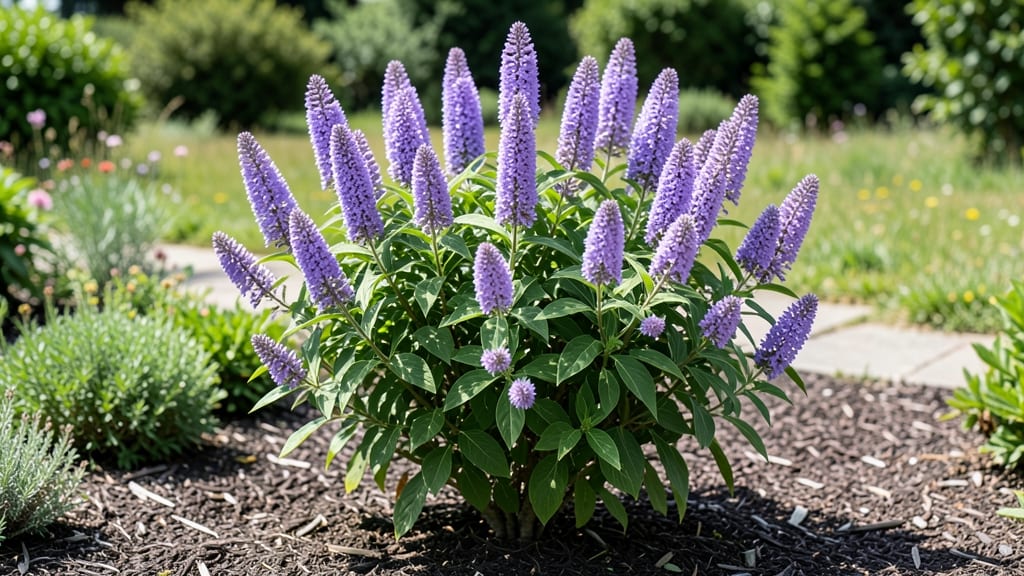
That first flush of purple blooms in early summer is what makes a butterfly bush worth every minute of care. 🌸 I’ve pruned mine for years, and I’ve learned the simple tricks that keep it lush, blooming, and buzzing with butterflies—without turning pruning into a backbreaking chore.
The secret isn’t complicated: timing, a few strategic cuts, and knowing when to leave it alone.
Start with the right spot—full sun and well-draining soil—and you’ll spend less time fixing mistakes later. My bush thrives in a corner where it gets morning sun and afternoon shade, and I’ve never had to fight for blooms.
Water deeply once a week once established, and you’ll avoid the most common pitfalls: leggy growth or sparse flowers.
By pruning just twice a year—once in late winter and again after blooming—you’ll encourage dense growth and nonstop color. The first cut shapes the plant; the second keeps it tidy without sacrificing next season’s blooms.
In no time, you’ll have a bush that’s both a pollinator magnet and the star of your garden.
Works for any climate, from hot summers to cooler zones, and adapts to containers or garden beds. Let’s get those shears out and make this the easiest pruning job you’ve ever loved.
📚 In This Guide
- What you need
- Instructions
- Tips and common mistakes
- Wrapping up and next steps
What you need
- ● Hand pruners (bypass pruners recommended) – Choose sharp, sterilized pruners (1 pair) to avoid spreading disease.
- ● Loppers – For thicker stems (1 pair, 6–8" cutting range).
- ○ Hedge shears – Optional but handy for shaping (1 pair, 8–10" blades).
- ● Disinfectant (70% isopropyl alcohol or bleach solution) – 1 small bottle to clean tools between cuts.
- ● Garden gloves – 1 pair (nitrile or leather) to protect from thorns and sap.
- ● Trash bag or bucket – 1–2 large bags/buckets for pruned debris.
- ○ Measuring tape or ruler – For precise pruning (optional but helpful for consistency).
- ● Pruning saw – For stubborn, woody stems (1 small saw).
- ● Plant food or compost – 1 bag of balanced fertilizer (10-10-10) or compost to nourish post-prune.
- ● Mulch – 1–2 bags of organic mulch (e.g., shredded bark) to retain moisture.
- ● Notebook & pen – To track pruning dates and plant responses.
How to prune butterfly bush for year-round beauty
Here's the simple, seasonal approach I use to keep my butterfly bushes blooming nonstop with minimal effort.
✂️ Step 1: Late Winter Cleanup (Before New Growth)
Prune in late winter when the plant is still dormant but just as buds begin to swell. This is your chance to remove last year's dead wood and reshape the bush. I grab my loppers and start by cutting back any branches that died over winter—you'll recognize them by their hollow centers and lack of green.
Next, trim back all remaining branches by about one-third of their length. This encourages a bushier shape and prevents leggy growth. Watch for any branches growing inward—they'll compete for light and should be removed completely at the base. The goal is to open up the center so air circulates freely and new growth emerges evenly.
✂️ Step 2: Mid-Season Deadheading (After Blooming)
Once your butterfly bush finishes its first flush of blooms—usually around mid-summer—it's time for deadheading. I use clean, sharp pruners to snip off spent flower clusters right at the first set of healthy leaves below them. This signals the plant to redirect its energy into producing new blooms instead of setting seed.
Don't worry if you miss a few flowers here and there. Even with occasional neglect, butterfly bushes are forgiving. Just keep an eye out for clusters that turn brown and crispy—those are ready to go. I like to do this on a dry morning when the plant is fully hydrated, as it's easier to see where to cut.
✂️ Step 3: Light Summer Pruning (Encourage More Flowers)
About 6-8 weeks after your first deadheading, you'll likely see another round of blooms. This is your cue for a second light pruning. Cut back any branches that look overgrown or are growing in awkward directions. I focus on removing about 10-15% of the plant's total growth—just enough to maintain shape without stressing it.
Here's the thing—if you prune too aggressively in summer, you might stunt new growth before fall. Instead, I make small cuts to encourage branching. Look for stems that are getting too long and thin, and trim them back to a side branch or leaf node. This keeps the plant compact and promotes more flowering sites.
✂️ Step 4: Fall Renewal (Prep for Next Year)
In late fall, after the last frost but before hard freezes, give your butterfly bush a final trim. Remove any dead or diseased branches first—they won't regrow and can harbor pests over winter. Then, cut back all remaining growth by about half to tidy up the plant and reduce its size before dormancy.
This fall pruning also helps prevent winter damage. A smaller, more compact bush is easier for snow to slide off, and the fresh cuts will heal quickly in spring. I avoid heavy pruning in fall, though—just enough to clean up the plant without removing too much energy before winter.
⏰ Step 5: Winter Protection (Optional but Helpful)
If you live in a zone with harsh winters and your butterfly bush is young or newly planted, consider wrapping the base with burlap or frost cloth after your fall pruning. This extra protection prevents cold damage to the roots and crown. I only do this for the first few winters until the plant establishes a strong root system.
The key is to leave the pruned branches in place over winter—they provide some insulation for the center of the plant. In spring, you'll see new growth emerging from the base and along the remaining branches. This is your reward for all the careful pruning!
Tips & tricks for perfect butterfly bush pruning
These simple tricks will help you keep your butterfly bush thriving with minimal effort—no green thumb required!
The Late Winter Reset: When you're trimming back branches by one-third in Step 1, focus on creating an open center. This isn't just about looks—it prevents disease by improving air circulation. I like to step back every few cuts to visualize the shape. Think of it like giving your plant a spa day: fresh air and light for new growth. The key is to avoid cutting into old wood that's already brown and dry, as new growth won't come from there.
Deadheading Done Right: In Step 2, when you're snipping those spent flower clusters, always cut just above the first set of healthy leaves. This is where new growth will emerge. I've made the mistake of cutting too close to the stem—it looks cleaner but removes potential growth points. For extra efficiency, I keep a small bucket nearby to collect the spent blooms. You can compost them or use them in your garden for mulch. The important thing is to stay consistent—even just removing half the spent blooms will encourage more flowers.
Summer Pruning Strategy: During that light summer pruning in Step 3, aim for quality over quantity. Instead of hacking off large sections, make small cuts to encourage branching. Look for stems that are growing away from the center or getting too leggy. Cutting them back to a side branch or leaf node redirects energy to create a fuller, bushier plant. This is where patience pays off—small, regular prunings throughout summer will give you the best results.
Fall Preparation: When you're doing your final fall trim in Step 4, don't be afraid to be a little aggressive with dead or diseased branches—they won't come back anyway. But leave the healthy branches alone unless they're crossing or growing in awkward directions. The goal here is to tidy up, not drastically reshape. I've learned that cutting back too much in fall can stress the plant before winter, so I stick to the "half" guideline religiously. This gives your butterfly bush the best chance to bounce back strong in spring.
Pro Tips for A Butterfly Bush
- These simple tricks will help you keep your butterfly bush thriving with minimal effort—no green thumb required!
- The Late Winter Reset: When you're trimming back branches by one-third in Step 1, focus on creating an open center.
- Deadheading Done Right: In Step 2, when you're snipping those spent flower clusters, always cut just above the first set of healthy leaves.
Frequently asked questions
Got questions about keeping your butterfly bush (Buddleia) thriving with minimal effort? Here are some of the most common ones—and their easy answers!
When is the best time to prune a butterfly bush?
The golden rule: late winter or early spring (before new growth starts). This removes dead wood, shapes the plant, and encourages vibrant blooms. Avoid pruning in fall—it can stimulate tender new growth that won’t survive winter. Pro tip: If you missed the window, a light trim in early summer still works!
How much should I cut back my butterfly bush each year?
For most varieties, 30–50% of the previous year’s growth is ideal. Cut back to healthy buds or nodes (about ¼ inch above them). Over-pruning can weaken the plant, while under-pruning may lead to leggy stems. For young bushes, prune lightly to encourage bushiness!
Why aren’t butterflies visiting my butterfly bush?
If your bush isn’t buzzing with pollinators, check these fixes:
- Timing: Blooms peak in summer to early fall—prune too late, and you’ll miss the show.
- Location: Plant in full sun (6+ hours/day) and avoid windy spots.
- Pests: Spider mites or aphids can deter butterflies—spray with water or neem oil if needed.
Can I prune a butterfly bush in winter?
Pruning in winter is risky—new growth can’t harden off before spring frost. However, if you must (e.g., storm damage), wait until late winter (after the worst cold snaps). Use sharp shears to avoid tearing branches, and avoid heavy cuts that stress the plant.
What’s a good alternative if I don’t want to deal with butterfly bush pruning?
If maintenance feels high, try these low-prune, pollinator-friendly plants:
- Russian sage (Perovskia atriplicifolia) – Drought-tolerant, blooms all summer, and needs minimal shaping.
- Coneflower (Echinacea) – Perennial, disease-resistant, and thrives with zero pruning (just deadhead spent blooms).
- Butterfly weed (Asclepias tuberosa) – Native, attracts monarchs, and grows wild with little care.
Wrapping up and next steps
Pruning your butterfly bush doesn’t have to be a daunting task—just a few strategic cuts can keep it blooming beautifully year after year! 🌸 By following seasonal guidelines and keeping dead or overgrown branches in check, you’ll enjoy vibrant flowers and a healthy plant with minimal effort.
Now that you’re armed with the right techniques, grab those shears and give your butterfly bush the TLC it deserves!
Ready to take it further? Experiment with shaping or even propagate cuttings to share with fellow gardening enthusiasts. Happy pruning—your garden (and butterflies!) will thank you! 🐞✨