
Shrubs
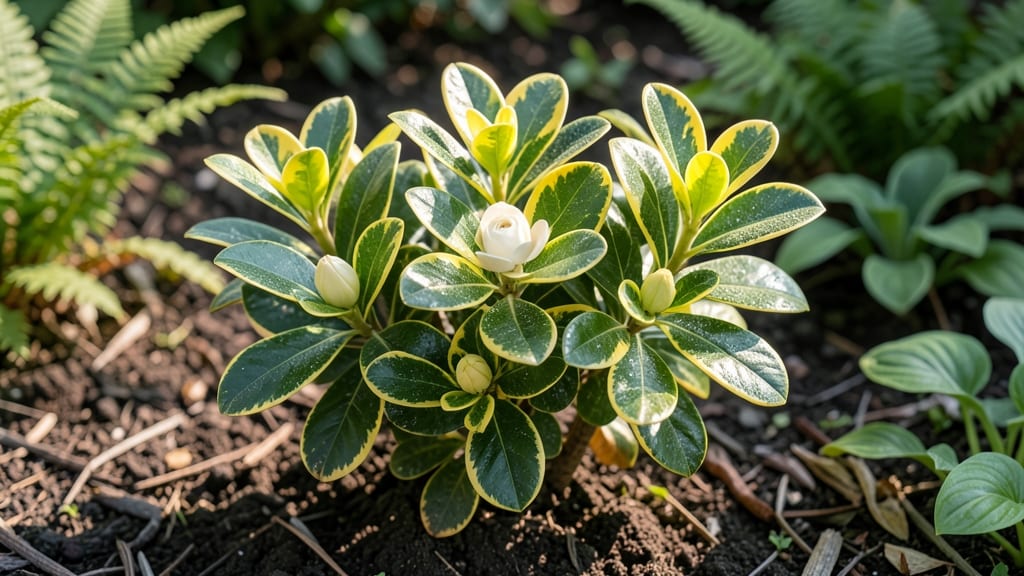
That two-tone evergreen bush with golden-yellow and deep-green foliage is the secret weapon for a privacy screen that looks stunning in every season. 🌿 I've used these showstopping shrubs to transform dull fences into living art, and the results never fail to impress neighbors.
The contrast between the bright yellow and rich green creates movement, even when the plant stands still. These bushes thrive in partial shade to full sun, making them perfect for tight spaces or spots where other plants struggle.
Varieties like Ilex crenata 'Golden Queen' or Euonymus fortunei 'Emerald Gaiety' grow 3-6 feet tall, so they scale beautifully for hedges, borders, or even container gardens. The best part? They keep their color year-round, so you get instant curb appeal without seasonal replanting.
Imagine a bold green hedge with golden streaks catching the sunlight—it's like a built-in accent wall that grows. These plants also attract pollinators while keeping out noise, making them a practical and pretty choice. They pair well with hostas, ferns, or even other variegated shrubs for a layered look.
Whether you're going for a formal garden or a relaxed cottage style, these bushes adapt effortlessly. Use them as a foundation plant, a dramatic border, or even as a single statement piece near your front door. The possibilities are endless, and the impact is immediate.
Root Causes Behind Color Shifts
Your evergreen bush flaunting yellow and green foliage might look stunning, but it’s often a cry for help—or a sign of natural quirks. Understanding why this happens helps you decide whether to intervene or embrace the unique aesthetic. Here’s why your bush might be showing off its two-tone charm.
Evergreens rely on a steady diet of nutrients to maintain their rich, uniform color. When soil lacks key elements, chlorophyll production drops, leading to yellowing (chlorosis) while green patches persist. The most common culprits:
- Iron (Fe) Deficiency: Essential for chlorophyll, iron deficiency causes interveinal chlorosis—yellowing between leaf veins while veins stay green. Common in alkaline soils where iron binds tightly and becomes unavailable. Test your soil’s pH; aim for 5.5–6.5 for optimal iron uptake.
- Nitrogen (N) Imbalance: Too little nitrogen leads to pale yellow leaves, while excess can cause overgrowth with weak, yellow-green foliage. Evergreens like Boxwood or Holly thrive with a balanced fertilizer (10-10-10) applied in early spring.
- Magnesium (Mg) or Manganese (Mn) Shortages: These micronutrients support chlorophyll. Yellowing between veins (like iron deficiency) or speckled patterns often signal magnesium issues, while manganese deficiencies cause yellow patches with green veins.
✨ Pro Tip: Use chelated iron supplements or Epsom salt (magnesium sulfate) for quick fixes. For alkaline soil, add peat moss or sulfur to lower pH gradually.
Evergreens are drought-tolerant, but poor water management disrupts their color balance. Here’s how hydration (or lack thereof) plays a role:
- Overwatering: Soggy roots suffocate roots, preventing nutrient absorption. This leads to yellowing from the bottom up (a sign of root rot) while newer growth stays green. Check soil moisture—stick your finger 2 inches deep; water only if dry.
- Underwatering: Drought stress causes yellowing at leaf edges (scorching) or crispy, brown tips with green centers. Evergreens like Juniper or Arborvitae need 1–1.5 inches of water weekly during dry spells.
- Poor Drainage: Compacted or clay soil traps water, leading to uneven coloration as roots struggle. Amend soil with compost or perlite to improve aeration.
💡 Quick Fix: Adjust your watering schedule based on rainfall. Mulch with 2–3 inches of organic matter to retain moisture and regulate soil temperature.
Evergreens are low-maintenance, but extreme light or temperature shifts can trigger color changes. Here’s how:
- Sunburn: Intense afternoon sun (especially in hot climates) causes yellow or white patches on leaves exposed to direct rays. Variegated evergreens (like Dwarf Mondo Grass) are more sensitive. Provide afternoon shade with a sheer curtain or nearby trees.
- Cold Damage: Sudden freezes (<32°F) can cause yellowing or browning as cell membranes rupture. Tender evergreens (e.g., Camellia) need winter protection like burlap wraps or anti-desiccant sprays.
- Heat Stress: Prolonged heat waves (>90°F) lead to yellowing and wilting as stomata (leaf pores) close to conserve water. Increase watering frequency and avoid fertilizing during heatwaves.
🌡️ Actionable Tip: Monitor your microclimate. If your bush is near a heat-reflecting surface (like pavement), consider relocating it to a shadier, cooler spot.
Not all yellow-green foliage is environmental—pests and pathogens can hijack your bush’s color palette. Watch for these red flags:
- Spider Mites: These tiny pests suck sap, causing stippled yellowing and webbing. They thrive in dry, hot conditions. Blast them off with a strong hose or use neem oil as a natural repellent.
- Scale Insects: Sap-sucking scale leaves yellow, sticky residue (honeydew) and black sooty mold. Scrape off infestations with a soapy cloth or apply horticultural oil.
- Fungal Infections (e.g., Phytophthora Root Rot): Waterlogged soil invites fungi that discolor leaves yellow-green and stunt growth. Remove infected plants and sterilize tools with bleach to prevent spread.
🔥 Prevention Tip: Inspect new plants for pests before purchasing. Prune for airflow to reduce humidity-related fungal risks.
Now that you know the why, the next step is deciding whether to fix or flaunt your bush’s two-tone drama. Some varieties (like Golden Hinoki False Cypress) naturally sport yellow-green hues—so enjoy the show!
Revive Your Two-Tone Shrub
Reviving a yellow and green evergreen bush with its striking two-tone foliage is totally doable—even if it looks a little worse for wear. The key is identifying the root cause (literally!) and addressing it with targeted care.
Below, we break down practical fixes for common issues, plus prevention tips to keep your bush thriving year-round.
Signs: Yellowing leaves (especially on lower branches), soggy soil, or a mushy root ball when checked.
How to Fix It: 🔥 Step 1: Pause Watering Immediately
- Let the soil dry out completely before watering again. Stick your finger 2–3 inches deep—if it’s damp, wait.
🍳 Step 2: Improve Drainage
- Mix sand or perlite into the soil around the base (about 20–30% of the existing mix).
- If planted in a container, add drainage holes if missing and use a well-draining potting mix.
👨🍳 Step 3: Repot or Amend Soil (If Needed)
- For container plants, repot into a larger container with fresh, fast-draining soil.
- For in-ground shrubs, dig a shallow trench around the base and fill it with gravel or coarse sand to encourage drainage.
⏰ Step 4: Monitor & Adjust
- Water deeply but infrequently—aim for 1–1.5 inches per week (including rain).
- Pro Tip: 💡 Use a moisture meter to avoid guesswork.
Prevention Tips: ✔️ Choose the right spot—ensure it’s not in a low-lying area where water pools. ✔️ Mulch properly—use 3–4 inches of organic mulch (like pine bark) but keep it 6 inches away from the trunk to prevent rot.
Signs: Crispy, yellowed edges on leaves (especially in hot afternoons), wilting despite moist soil.
How to Fix It: 🔥 Step 1: Provide Afternoon Shade
- If your bush gets direct midday sun, install a light shade cloth (30–50%) or move it to a morning sun, afternoon shade location.
🍳 Step 2: Boost Hydration
- Water early in the morning to reduce evaporation.
- Use mulch to retain moisture (try straw or wood chips).
👨🍳 Step 3: Trim Damaged Foliage
- Snip off brown or crispy leaves with clean pruning shears to encourage new growth.
🌡️ Pro Tip: 💡 Mist leaves lightly on extremely hot days to cool them down (best for container plants).
Prevention Tips: ✔️ Gradually acclimate—if moving from shade to sun, do it over 2–3 weeks. ✔️ Avoid windy spots—wind desiccates leaves faster; plant near a windbreak if needed.
Signs: Yellowing leaves with black spots, powdery white residue, or moldy growth on stems.
How to Fix It: 🔥 Step 1: Prune Infected Areas
- Cut off all diseased leaves/stems with sterilized shears (wipe with rubbing alcohol between cuts).
🍳 Step 2: Apply Fungicide
- Spray with a copper-based fungicide or neem oil solution (1 tsp neem oil + 1 quart water + a drop of dish soap).
- Reapply every 7–10 days until new growth appears.
👨🍳 Step 3: Improve Airflow
- Thin out overcrowded branches to let air circulate.
- Space plants 3–5 feet apart if in a garden bed.
✨ Pro Tip: 🌡️ Water at the base (not overhead) to keep foliage dry.
Prevention Tips: ✔️ Avoid overhead watering—use drip irrigation or a soaker hose. ✔️ Clean tools regularly—sterilize pruners after each use.
Signs: Pale yellow leaves (especially new growth), weak stems, or slow growth.
How to Fix It: 🔥 Step 1: Test Your Soil
- Grab a DIY soil test kit (or send a sample to a local extension office) to check pH and nutrient levels.
🍳 Step 2: Fertilize Smartly
- For acid-loving evergreens (like boxwood or pieris), use a slow-release, acidic fertilizer (e.g., 10-10-10 or 8-3-9).
- For broadleaf evergreens (like holly), opt for a balanced, organic fertilizer (e.g., fish emulsion or compost tea).
👨🍳 Step 3: Amend Soil pH (If Needed)
- If soil is too alkaline (pH >7), add sulfur or peat moss.
- If too acidic (pH <5.5), mix in lime.
📊 Pro Tip: 💪 Feed in early spring (when new growth starts) and again in mid-summer.
Prevention Tips: ✔️ Mulch annually with pine needles or compost to slowly enrich soil. ✔️ Avoid over-fertilizing—too much nitrogen causes leaf burn (brown tips).
Signs: Yellowing leaves with tiny holes, webbing, or sticky residue (sap), or chewed edges.
How to Fix It: 🔥 Step 1: Identify the Pest
- Spider mites? Look for fine webbing.
- Scale insects? Check for brown bumps on stems.
- Caterpillars? Spot chewed leaves or frass (poop).
🍳 Step 2: Treat Naturally
- Spider mites/scale: Spray with soapy water (1 tsp mild soap + 1 quart water) or horticultural oil.
- Caterpillars: Handpick or use BT (Bacillus thuringiensis) spray.
👨🍳 Step 3: Encourage Beneficial Insects
- Plant nearby marigolds or lavender to attract ladybugs and lacewings.
🎯 Pro Tip: ✨ Blast pests off with a strong spray of water before applying treatments.
Prevention Tips: ✔️ Inspect new plants before bringing them home. ✔️ Keep your garden clean—remove fallen leaves where pests hide.
If your bush is severely stressed, try these emergency measures:
- Root prune gently—dig around the edges of the root ball to encourage new growth.
- Transplant if needed—if soil is compacted or diseased, move to fresh soil.
- Be patient—evergreens recover slowly; focus on one fix at a time.
Final Reminder: 🌟 Consistency is key—stick with your care plan for 4–6 weeks before expecting full recovery. With the right adjustments, your two-tone evergreen bush will bounce back with its bold, dramatic foliage in no time!
Frequently asked questions
What are the best two-tone evergreen bushes for full sun exposure?
For bright sunlight, try Ilex crenata 'Golden Queen' or Euonymus fortunei 'Emerald Gaiety'. Both thrive in full sun while maintaining their striking yellow-green foliage. 'Golden Hinoki False Cypress' also handles sun well but prefers slightly more shade in hot climates.
Can I grow a yellow-green evergreen bush in a container?
Yes! Compact varieties like Dwarf Mondo Grass or Pieris japonica 'Little Heath' work beautifully in containers. Use a well-draining potting mix and ensure the pot has drainage holes. For larger bushes, choose containers at least 18 inches wide and refresh the soil every 2-3 years.
How do I maintain the vibrant colors in my two-tone evergreen?
Regular feeding with acidic fertilizer (10-10-10) in spring and fall helps maintain color. Mulch with pine needles to keep soil acidic, and prune in late winter to remove dead growth. Avoid overwatering—most prefer moderate moisture rather than soggy soil.
What's the fastest-growing yellow-green evergreen bush?
The Emerald Gaiety Euonymus grows 12-24 inches per year, making it one of the fastest. For even quicker results, try Golden Privet, which can reach 3 feet per year with proper care. Both create dramatic hedges or privacy screens in 3-5 years.
Are there deer-resistant two-tone evergreen options?
Yes! Boxwood varieties like 'Green Velvet' or 'Dwarf Burford' (with yellow variegation) are deer-resistant. Inkberry Holly also works well—deer typically avoid its bitter leaves. For extra protection, apply deer repellent sprays during browsing seasons.