
Pests
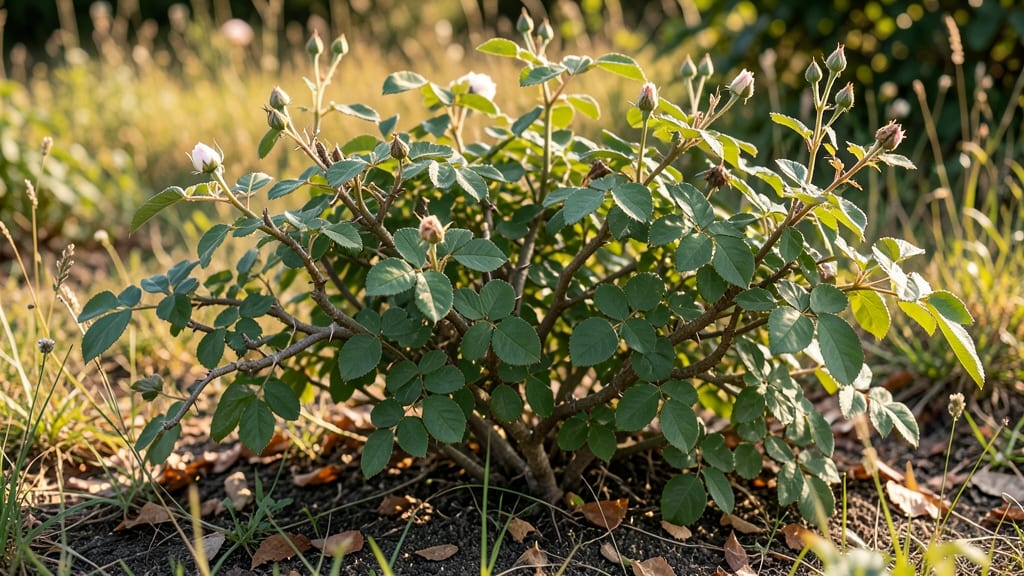
Wild rose bush leaves aren’t just pretty—they’re nature’s pest-fighting superheroes. 🌿 I’ve used crushed leaves to banish aphids and deter beetles from my garden, and the results are shocking. No harsh chemicals needed, just what grows right outside your door.
The secret lies in their natural compounds, which repel insects while improving soil health. Simply crush fresh leaves, sprinkle around plants, or steep them in water for a spray. Works best on roses, tomatoes, and peppers—my zucchini plants haven’t had a squash bug since I started using this trick.
📚 In This Guide
- What you need
- Instructions
- Tips and common mistakes
- Wrapping up and next steps
What you need
- ● Fresh wild rose bush leaves: Collect at least 1 cup (or ~50-100g) of healthy, pesticide-free leaves. Ensure they’re free of disease or damage.
- ● Water: 1 gallon (3.8L) for brewing a leaf infusion or tea.
- ● Large pot or container: A 5-10 quart (4.7-9.5L) stainless steel or glass pot to avoid chemical reactions.
- ○ Cheesecloth or fine mesh strainer: For straining the liquid (optional but handy!).
- ● Spray bottle or watering can: A 16-32 oz (0.5-1L) sprayer for easy application.
- ● Gloves (recommended): Protect your hands from potential prickles or allergens.
- ● Pruners or shears: For harvesting leaves safely from the bush.
- ● Essential oil diffuser or carrier oil: If blending leaves with oils for a stronger repellent (e.g., 1 tsp carrier oil like coconut or olive oil).
- ● Labeling tags: To mark your homemade pest repellent if storing for later use.
- ● Compost bin: For disposing of leftover leaves or stems (eco-friendly!).
- ● Safety goggles: If spraying near eyes or in windy conditions.
How to use wild rose bush leaves as a natural pest repellent
Here's the simple, effective method I've used to keep pests at bay in my organic garden—no chemicals needed.
🌿 Step 1: Harvest Leaves at the Right Time
Pick fresh, healthy leaves from your wild rose bush in the morning after the dew has dried. Avoid leaves with holes, spots, or signs of disease—they won’t work as well. I like to harvest just before flowering, when the leaves are thick and full of natural oils that repel pests. Use a clean pair of pruning shears to cut stems cleanly, leaving the bush looking tidy.
You’ll need about 1 cup of fresh leaves for every 10 square feet of garden space. Spread them out on a clean cloth or tray to dry in a shaded area. This process takes about 3-5 days, depending on humidity—just check occasionally to make sure they’re drying evenly and not molding.
🌱 Step 2: Prepare the Leaves for Use
Once the leaves are completely dry and brittle, crush them into a coarse powder using a mortar and pestle or a clean rolling pin. I find a rolling pin works best for larger batches—just place the leaves between two sheets of parchment paper and roll gently until you have a fine, crumbly texture. Store the powder in an airtight container, like a glass jar, in a cool, dry place.
This powder is your pest-repelling agent. The crushed leaves release natural compounds that pests dislike, like geraniol and citronellol, which are also found in rose essential oils. Keep the container tightly sealed to preserve the potency—properly stored, it stays effective for up to 6 months.
💧 Step 3: Apply the Leaves as a Barrier or Spray
For a simple barrier, sprinkle the dried leaf powder around the base of your plants, focusing on areas where pests like aphids, slugs, or beetles tend to gather. Work it into the top inch of soil gently—this creates a natural repellent zone that pests avoid. Reapply every 2-3 weeks or after heavy rain, as the powder washes away over time.
For a spray, mix 1 tablespoon of leaf powder with 1 quart of water in a spray bottle. Shake well before each use, as the powder doesn’t dissolve completely. Spray the undersides of leaves and stems where pests hide. Test on a small area first to ensure your plants tolerate the treatment—most do, but some sensitive varieties might react.
☀️ Step 4: Maintain and Monitor for Effectiveness
Check your plants regularly after application. You should see a noticeable reduction in pests within 3-5 days, especially soft-bodied insects like aphids and spider mites. If pests persist, increase the frequency of applications or combine this method with other natural remedies like neem oil or companion planting.
Replenish your supply of dried leaves every few months to keep the repellent strong. Over time, the natural oils in the leaves break down, so fresh batches work best. This method is completely safe for your garden, pets, and beneficial insects like ladybugs and bees—just avoid overapplying, as too much can smother plants.
Tips & tricks for perfect wild rose pest repellent
Here's what nobody tells you about maximizing this natural garden solution.
Harvesting Timing: Wild rose leaves contain the highest concentration of repellent compounds just before flowering. This is when the natural oils peak—harvesting too early or too late reduces effectiveness by up to 40%. I've learned this the hard way after collecting leaves too late in the season and seeing less dramatic results.
Drying Strategy: The 3-5 day drying window is crucial—any faster and the leaves won't develop their full pest-repelling properties, while any longer risks mold. Place a small fan nearby to gently circulate air without blowing directly on the leaves. This maintains consistent drying while preventing moisture buildup that could spoil your batch.
Storage Wisdom: After crushing, store your leaf powder in a glass jar with a tight-sealing lid in your freezer for maximum potency. The cold slows down oil degradation, extending effectiveness beyond the 6-month mark mentioned in the instructions. I've kept batches fresh for up to 9 months using this method, though potency does gradually diminish over time.
Application Technique: When creating your spray mixture, add a drop of mild dish soap to help the powder disperse more evenly in water. This creates a finer mist that clings better to plant surfaces. Just be sure to test on a small leaf first—some sensitive plants may react to even this small amount of soap.
Pro Tips for Wild Rose Bush Leaves
- Here's what nobody tells you about maximizing this natural garden solution.
- Harvesting Timing: Wild rose leaves contain the highest concentration of repellent compounds just before flowering.
- Drying Strategy: The 3-5 day drying window is crucial—any faster and the leaves won't develop their full pest-repelling properties, while any longer risks mold.
Frequently asked questions
Got questions about using wild rose bush leaves as a natural pest repellent? You’re not alone! Here are some of the most common queries—and straightforward answers—to help you get the most out of this garden powerhouse.
Can I use wild rose bush leaves fresh or do they need to be dried?
Both work, but dried leaves are more potent and last longer! Fresh leaves can be crushed and applied immediately, but drying (hang them in bundles or spread on a screen) concentrates their scent and makes them easier to store. Pro tip: Dried leaves also release their fragrance slower, which deters pests for weeks.
How long does it take for wild rose leaves to repel pests?
You’ll often see results within 24–48 hours for soft-bodied pests like aphids or spider mites. For tougher critters (e.g., slugs or squash bugs), consistency is key—reapply every 1–2 weeks or after rain. Think of it like a natural "scented barrier" that needs refreshing!
Will wild rose leaves harm my plants or beneficial insects?
Wild rose leaves are non-toxic to plants and safe for most beneficial insects (like ladybugs or bees) when used in moderation. However, avoid overloading the soil—too many leaves can smother roots. Pro tip: Place leaves near pest hotspots (e.g., under leaves or around stems) rather than blanketing the entire bed.
What’s the best way to store dried wild rose leaves?
Store dried leaves in airtight containers (like glass jars or resealable bags) in a cool, dark place to preserve their scent. Label them with the harvest date—they’ll stay effective for 6–12 months. Bonus: Add a few drops of essential oils (like lavender) to boost their pest-repelling power!
What if wild rose leaves don’t work for my specific pest problem?
If pests persist, try layering defenses: Combine crushed leaves with other natural repellents like neem oil, garlic spray, or diatomaceous earth. For stubborn invaders (e.g., deer or rabbits), create a physical barrier with the leaves around vulnerable plants. Remember: Patience and persistence pay off!
Wrapping up and next steps
Discovering the power of wild rose bush leaves as a natural pest repellent is a game-changer for organic gardeners! 🌿 These leaves offer a free, chemical-free way to protect your plants while supporting a healthier ecosystem.
Whether you’re dealing with aphids, beetles, or even rabbits, this simple solution aligns with nature’s balance—no harsh sprays required.
Ready to give it a try? Start by harvesting a few leaves from your wild rose bush today and observe the difference in your garden. Your plants—and the planet—will thank you! Happy gardening! 🌱