
Pruning
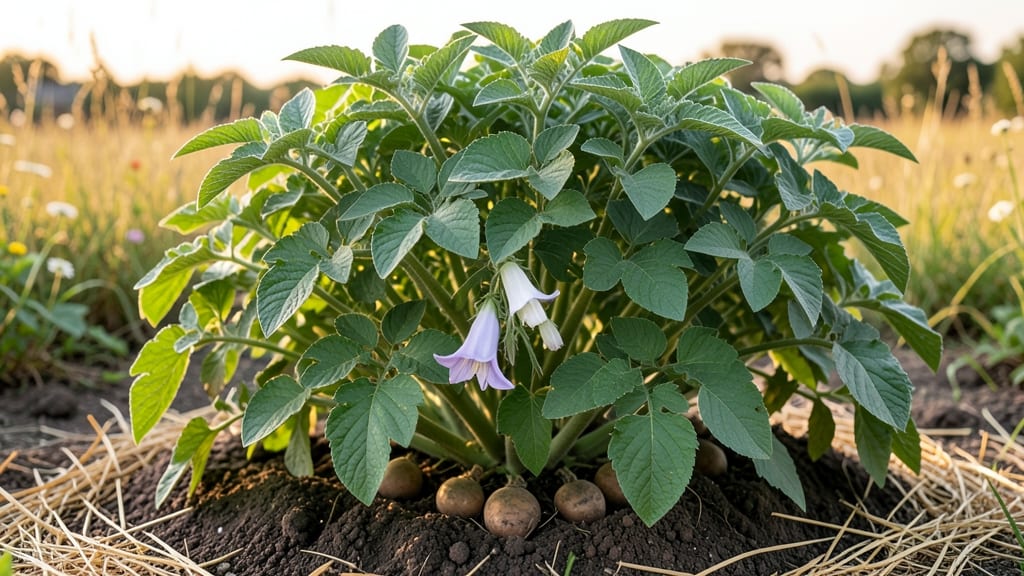
Your wild potato bush can double its blooms this season—if you prune it right. 🌿 I’ve watched this plant go from scraggly to showstopper in just two years, and the secret isn’t fancy tools or expensive tricks. It’s about timing, sharp cuts, and knowing exactly where to focus.
The real magic happens in late winter or early spring, when you trim back one-third of the oldest stems to encourage fresh growth. This bush thrives on neglect but rewards precision—cut just above a leaf node, and you’ll see new shoots bursting within weeks.
The key is balancing shape and health: too much pruning stunts it, too little leaves it looking wild. You’ll end up with a denser, bushier plant covered in fragrant white flowers and edible tubers.
The foliage stays lush longer, and those potato-like roots (yes, they’re edible!) grow bigger and more abundant. It’s the one pruning task that actually makes your garden more productive. Works for both ornamental and edible gardens—just avoid heavy pruning after midsummer, or you’ll sacrifice next year’s harvest.
Here’s how to do it without a single regret.
📚 In This Guide
- What you need
- Instructions
- Tips and common mistakes
- Wrapping up and next steps
What you need
- ● Pruning shears: Sharp, bypass-style shears (2–4 pairs, depending on bush size). Pro tip: Sanitize blades with rubbing alcohol to prevent disease spread! 💡
- ● Loppers: For thicker stems (1–2 pairs, 6–8" cutting capacity).
- ● Gloves: Heavy-duty, gardening-grade (2 pairs) to protect from thorns and sap.
- ○ Pruning saw: Optional but handy for stubborn, woody stems (1, 8–10" blade).
- ● Disinfectant: 70% isopropyl alcohol or hydrogen peroxide (1 small bottle) for tool sterilization.
- ● Trash bags: Heavy-duty, 30–50 gallon (2–3 bags) for debris disposal.
- ○ Water spray bottle: (Optional) To dampen dust while pruning.
- ● Timing: Prune in early spring (before new growth) or late winter for best results.
- ● Weather: Choose a dry, overcast day to avoid stressing the plant.
- ● Safety gear: Safety glasses (1 pair) if working near eyes.
- ○ Notebook/pencil: (Optional) To sketch the bush’s structure before pruning.
Step-by-Step guide to pruning your wild potato bush
Pruning your wild potato bush isn't just about shaping—it's about encouraging those lush, vine-heavy growth patterns that make it so productive. Here's how to do it right, season by season.
✂️ Step 1: Early Spring Pruning for New Growth
Start your pruning as soon as new shoots emerge in early spring, typically when daytime temperatures reach 55-60°F. This is the moment that matters: you're shaping the foundation for the entire growing season. Look for the thickest, healthiest stems—these are your bush's future framework. Cut back any dead or weak growth from last season to the first set of strong buds you see.
Use clean, sharp pruners to make cuts just above a leaf node or bud. This ensures the plant knows exactly where to focus its energy. I know it seems counterintuitive to cut back when the plant is just waking up, but this prevents overcrowding and encourages bushier growth. Aim to reduce last year's growth by about one-third—you'll see new shoots bursting from the nodes within a week or two.
☀️ Step 2: Mid-Summer Pinching for Bushier Vines
When your wild potato bush reaches about 12-18 inches tall, it's time for the pinching technique. This is where you take the tips of the main stems and pinch off the top 1-2 inches of growth. The goal is to redirect the plant's energy from vertical growth to producing more lateral branches, which will eventually bear more tubers and foliage.
Pinch in the morning on a dry day—this gives the plant plenty of time to heal before evening moisture sets in. You'll notice new side shoots emerging from the leaf axils within 7-10 days. These lateral branches are what create that thick, bushy look. Don't worry if the plant looks a bit ragged after pinching—it's just redirecting its growth pattern.
✂️ Step 3: Late Summer to Early Fall Pruning for Harvest Readiness
As summer winds down and your bush reaches its peak, focus on pruning to prepare for harvest. When the foliage starts to yellow or you notice new tubers forming along the stems, it's time to give the plant a final trim. Cut back any overly leggy or crowded vines, but leave enough foliage to keep photosynthesis going strong.
Here's the thing—you want to maintain a balance. Remove any stems that are crossing or rubbing against each other, as this can cause damage and invite disease. Also, trim back any flowers if you want to prioritize tuber development over seed production. The plant will redirect its energy to the tubers, resulting in a better harvest. Stop pruning about 6-8 weeks before your first frost to allow the tubers to fully mature.
⏰ Step 4: Post-Harvest Cleanup for Next Season
After you've harvested your tubers, don't just toss the remaining foliage. This is your chance to give your wild potato bush a fresh start for next year. Cut back all the remaining stems to about 2-3 inches above the ground. This might look drastic, but it's essential for preventing disease and pests from overwintering in the plant debris.
Rake up and remove all plant material from the area. You can compost the healthy-looking stems, but avoid composting any that show signs of disease. This final cleanup ensures your bush starts next season with a clean slate. Mark the spot if you plan to replant the same variety—wild potato bushes thrive when they return to the same location year after year.
Tips & tricks for pruning your wild potato bush
Don't let those vines get out of control—these pro tips will help you shape your wild potato bush like a seasoned gardener.
Timing is Everything: The early spring pruning in Step 1 works best when daytime temperatures hit that 55-60°F sweet spot. If you're in a cooler climate, wait until you see consistent temperatures in this range before cutting back. I've learned this the hard way—pruning too early when nights are still chilly can stress the plant. Also, avoid pruning during wet weather, as damp conditions can invite fungal diseases.
The Pinch Technique: When you reach the 12-18 inch mark in Step 2, focus on pinching the tips of the main stems just above a leaf node. This isn't just about height control—it's about encouraging the plant to branch out. I've noticed that pinching in the morning gives the plant the whole day to recover, and you'll see those new side shoots emerging within 7-10 days. If you're unsure which stems to pinch, look for the healthiest, most upright growth—they'll produce the most robust lateral branches.
Late Season Balance: In Step 3, when you're preparing for harvest, remember that balance is key. You want to maintain enough foliage for photosynthesis but remove anything that's crowding or crossing. I've found that leaving about one-third of the foliage intact keeps the plant productive while still allowing for good airflow. Also, if you notice flowers forming, consider removing them unless you're specifically saving seeds—those tubers will thank you for the extra energy.
Cleanup Matters: That final cleanup in Step 4 might seem drastic, but cutting back to 2-3 inches above the ground is crucial. I've seen too many bushes struggle the next season because old stems were left to harbor pests. Mark your spot with a stake or flag so you don't accidentally disturb the roots when you start fresh in spring. This simple step can make all the difference in next year's harvest.
Pro Tips for Wild Potato Bush
- Don't let those vines get out of control—these pro tips will help you shape your wild potato bush like a seasoned gardener.
- Timing is Everything: The early spring pruning in Step 1 works best when daytime temperatures hit that 55-60°F sweet spot.
- The Pinch Technique: When you reach the 12-18 inch mark in Step 2, focus on pinching the tips of the main stems just above a leaf node.
Frequently asked questions
Got questions about pruning your wild potato bush? You're not alone!
Here are some of the most common concerns gardeners have—and the answers to keep your plant thriving.
When is the best time to prune my wild potato bush?
The ideal time to prune is late winter or early spring (before new growth starts) or right after harvest (fall). Avoid pruning during active flowering or fruiting—this can stress the plant. For shaping, light trims can happen in summer, but keep it minimal to avoid stunting growth.
How much should I trim back my wild potato bush?
For healthy growth, remove about one-third of the plant’s height during late winter pruning. Focus on dead, diseased, or crossing branches first. Never cut back more than 50% of the foliage—this can weaken the bush. Use clean, sharp shears to avoid tearing stems.
What do I do if my wild potato bush looks leggy after pruning?
Leggy growth often happens if you prune too late or too aggressively. To fix it, pinch back new growth tips in early summer to encourage bushier growth. Add a balanced fertilizer (like 10-10-10) and ensure it gets 6+ hours of sunlight daily. Mulch around the base to retain moisture and support root health.
Can I propagate my wild potato bush from cuttings?
Yes! Take 4–6 inch cuttings from healthy, non-flowering stems in spring or early summer. Remove lower leaves, dip in rooting hormone, and plant in moist potting mix. Keep them in bright, indirect light and maintain humidity (use a plastic bag or propagator) until roots form—usually in 4–8 weeks.
Why are my leaves turning yellow after pruning?
Yellowing leaves can signal over-pruning, nutrient deficiency, or pests. Check for aphids or spider mites first. If the soil is dry, water deeply. For nutrients, apply a low-nitrogen fertilizer (like 5-10-10) and avoid pruning during drought. If the issue persists, test your soil for pH imbalances (ideal range: 6.0–7.0).
Wrapping up and next steps
Pruning your wild potato bush isn’t just about keeping it tidy—it’s the secret to unlocking vibrant, productive growth! By following seasonal trimming techniques, you’ll encourage bushier foliage, better yields, and a healthier plant. Whether you’re a seasoned gardener or just starting, a little care goes a long way. 🌱
Ready to transform your garden? Grab your pruners and start with small, confident cuts—your wild potato bush will thank you! For extra tips, bookmark this guide or share it with fellow plant lovers. Happy pruning! ✂️💚