
Shrubs
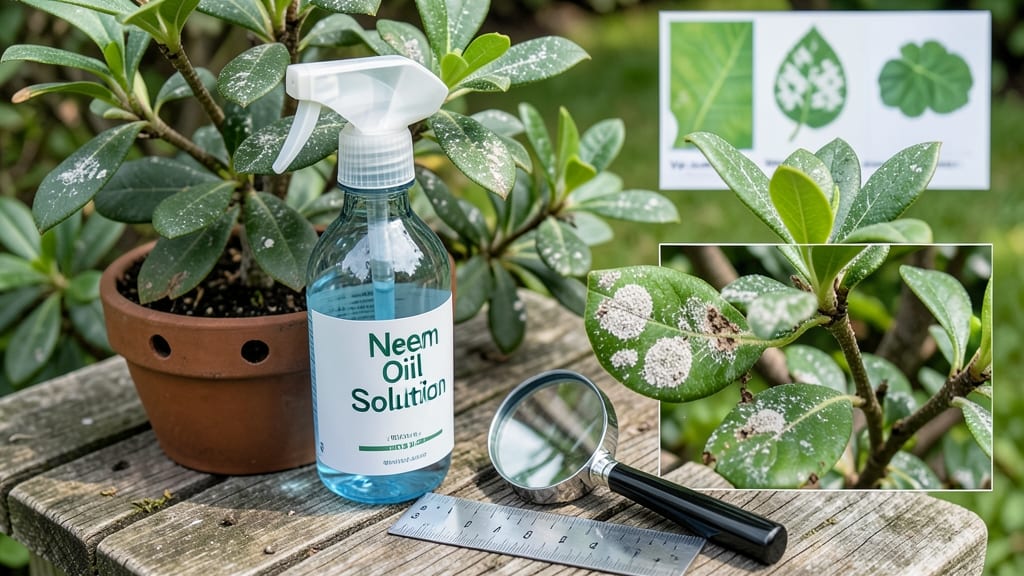
White spots on bushes don’t have to mean a lost season. ✨ I’ve turned powdery mildew from a hopeless mess into a 24-hour fix—no harsh chemicals needed. The key is acting fast and choosing the right treatment for your plant’s specific issue.
Most white spots come from powdery mildew, a fungal infection that thrives in damp, shady conditions. But spider mites can also leave webbing and tiny white specks, while even environmental stress (like sudden heat) can cause splotchy discoloration.
The first step is identifying whether your spots are fuzzy, weblike, or just pale patches—each needs a different approach. Once you know the cause, you’ll be spraying a homemade remedy (like neem oil or baking soda mix) or pruning affected areas to stop the spread.
Within a day, you’ll see fresh green growth pushing through, and your bushes will bounce back stronger than ever. This works for roses, hydrangeas, and even fruit bushes—just adjust the treatment based on the problem. Let’s get those leaves looking lush again!
Understanding The Culprits Behind White Spots
White spots on bushes are rarely just a random quirk of nature—they’re usually a sign of biological stress or fungal activity. Below, we break down the most common causes, why they happen, and what triggers them in your plants.
Fungi thrive in damp, shaded conditions, making them the #1 cause of white spots on foliage. Here’s how they strike:
- Powdery Mildew (Erysiphe spp.) This fungus creates a white, powdery coating that looks like flour dusted on leaves.
It spreads quickly in humid, low-light environments (like crowded shrubs or shaded areas) and weakens plants by blocking sunlight. 🌡️ Pro tip: It’s most aggressive in spring and fall when temperatures hover between 60–80°F (15–27°C).
- Downy Mildew (Peronospora spp.) Unlike powdery mildew, this fungus appears as fuzzy white or gray patches on the undersides of leaves (though you may see yellowing on top). It thrives in wet conditions and is common on plants like roses, azaleas, and hydrangeas.
- White Rust (Albugo candida) This fungus causes white, pustule-like spots that eventually turn brown and crusty. It’s often seen on cruciferous plants (like cabbage) but can affect shrubs too. 🔥 Watch for it after heavy rain or overhead watering.
Some pests don’t just eat leaves—they excrete waste or lay eggs that create white, sticky, or web-like residues.
- Aphids & Scale Insects These tiny sap-suckers leave behind white, waxy secretions (called honeydew) that attract sooty mold—a black, fuzzy fungus. 🍳 Check for sticky leaves or ants (they farm aphids!)
- Spider Mites (White Spotted Varieties) While most mites are red or yellow, some species (like the six-spotted mite) leave white webbing and stippled damage on leaves. They thrive in dry, hot conditions—opposite of fungi!
- Mealybugs These cotton-like pests cluster in leaf axils, creating white, fluffy masses. They weaken plants and spread viruses. 🎯 Look for them in protected areas (like under leaves or at branch junctions).
Not all white spots come from living organisms—sometimes, it’s your garden’s microclimate causing the problem.
- Overwatering or Poor Drainage Waterlogged soil leads to root rot, which stresses plants and makes them susceptible to fungal infections. White spots may appear as edema (blister-like growths from excess moisture).
- Chemical Burn or Fertilizer Overload If you’ve recently applied too much nitrogen or harsh chemicals, you might see white, necrotic (dead) patches on leaves. 🌡️ Test your soil pH—most shrubs prefer 6.0–7.0.
- Sun Scorch or Hail Damage White, papery patches can form on leaves exposed to intense afternoon sun (especially in drought conditions) or after hail/storm damage. New growth may appear bleached until the plant adjusts.
| Cause | Appearance | Where It Starts | Best Fix |
|---|---|---|---|
| Powdery Mildew | White, powdery coating | Top of leaves | Fungicide + improve airflow |
| Downy Mildew | Fuzzy white/gray (underside) | Lower leaves | Remove infected leaves + copper spray |
| White Rust | White pustules → brown crust | Both sides | Prune infected parts + sulfur spray |
| Aphids/Mealybugs | Sticky white residue or fluff | Leaf undersides, stems | Neem oil or insecticidal soap |
| Spider Mites | White webbing + stippled damage | Entire leaf surface | Blast with water + predatory mites |
| Chemical Burn | White/yellow dead patches | Leaf edges or random spots | Flush soil + adjust fertilizer |
💡 Key Takeaway: Most white spots are fungal or pest-related, but environmental factors (like overwatering) can make plants vulnerable. Act fast—the sooner you identify the cause, the easier it is to treat! 🚀
Quick Fixes for White Spots
White spots on bushes can feel like a sudden mystery, but the good news? Most causes have straightforward, organic-friendly solutions that work fast—often within 24 hours or less.
Below, we’ve mapped the most common culprits to easy, step-by-step fixes, plus prevention tips to keep your shrubs lush and spot-free. No harsh chemicals needed!
Signs: White powdery patches, yellowing leaves, or dark spots with white edges.
🔥 Step 1: Isolate & Prune
- Remove infected leaves (wear gloves!) and dispose of them in the trash (not compost).
- Trim back severely affected branches to improve air circulation.
🍳 Step 2: Organic Fungicide Spray
Mix 1 tsp baking soda + 1 quart water + a few drops of dish soap (so it sticks).
Spray both sides of leaves in the early morning or evening (avoid direct sun). Pro Tip: 💡 Repeat every 5–7 days until new growth appears.
🌡️ Step 3: Boost Airflow & Light
- Space plants 3–6 inches apart (crowding = fungus paradise).
- Thin dense foliage to let sunlight hit all surfaces.
✨ Prevention:
- Water at the base (not overhead) to keep leaves dry.
- Mulch with straw or pine needles to reduce soil-borne spores.
Signs: Tiny white webs, cottony clusters, or stippled leaves.
👨🍳 Step 1: Blast Off Pests
- Spray with neem oil (1 tbsp oil + 1 tsp mild soap per quart of water). Shake well and apply evenly.
- For stubborn infestations, use a strong hose spray to dislodge mites.
🔪 Step 2: Introduce Beneficial Insects
- Ladybugs or lacewings eat spider mites and mealybugs. Buy them online or attract them with dill or fennel nearby.
⏰ Step 3: Quarantine & Monitor
- Isolate affected bushes for 3–5 days to prevent spread.
- Check undersides of leaves weekly for new pests.
🎯 Prevention:
- Inspect new plants before bringing them home.
- Avoid over-fertilizing (soft growth = pest buffet).
Signs: Crusty white residue on leaves/stems, often near irrigation.
💦 Step 1: Rinse Gently
- Wipe leaves with a damp cloth (use distilled water if possible).
- Flush soil with rainwater or filtered water to leach out minerals.
🌱 Step 2: Adjust Watering
- Switch to rainwater or collect dew in containers.
- Avoid tap water if your area has hard water (test with a DIY kit from a garden store).
🌿 Prevention:
- Use mulch to reduce evaporation and mineral buildup.
- Test soil pH (ideal for most shrubs: 6.0–7.0).
If your bush looks completely overwhelmed, try this emergency mix:
- 1 cup milk + 1 gallon water + 1 tsp soap (spray on leaves—milk contains natural fungicidal properties).
- Repeat every 3 days until improvement.
Remember: 🌱 Patience is key—some fixes take 1–2 weeks to show results. Once your bush recovers, prevention is your best friend!
Frequently asked questions
Why do my bushes get white spots even after treating them?
White spots often return if the underlying conditions aren't addressed. Fungal spores like powdery mildew can linger in soil or on nearby plants, so prune affected areas completely and improve airflow between bushes. Also check your watering habits—overhead watering keeps leaves damp, creating perfect fungus conditions. Try watering at the base instead.
Can I use vinegar to treat white spots on my shrubs?
Yes, but with caution! Mix 1 part white vinegar to 3 parts water and spray on leaves (test a small area first). Vinegar's acidity helps kill fungal spores, but it can burn plants if too concentrated. For best results, apply in the evening and avoid spraying when temperatures exceed 85°F (29°C).
How do I tell if white spots are from pests or fungus?
Check the texture: Fungal spots (like powdery mildew) feel powdery and spread across leaf surfaces. Pest-related spots often have webbing, sticky residues (honeydew), or visible bugs. Look on leaf undersides—pests love hiding there! If you see tiny moving dots or cottony clusters, it's likely pests.
Will pruning help stop white spots from spreading?
Pruning removes infected areas, improves airflow, and prevents spores from spreading to healthy parts. Cut back to healthy green tissue (about 1/4 inch above white spots) and sterilize pruners with rubbing alcohol between cuts. Always dispose of infected clippings in the trash, not compost.
Are there any shrubs more resistant to white spots?
Some varieties naturally resist fungal infections better. Boxwoods, lavender, and rosemary are tougher choices, while hydrangeas and roses are more prone. For susceptible plants, choose disease-resistant cultivars (like 'Knock Out' roses) and maintain good garden hygiene to minimize risks.