
Fertilization
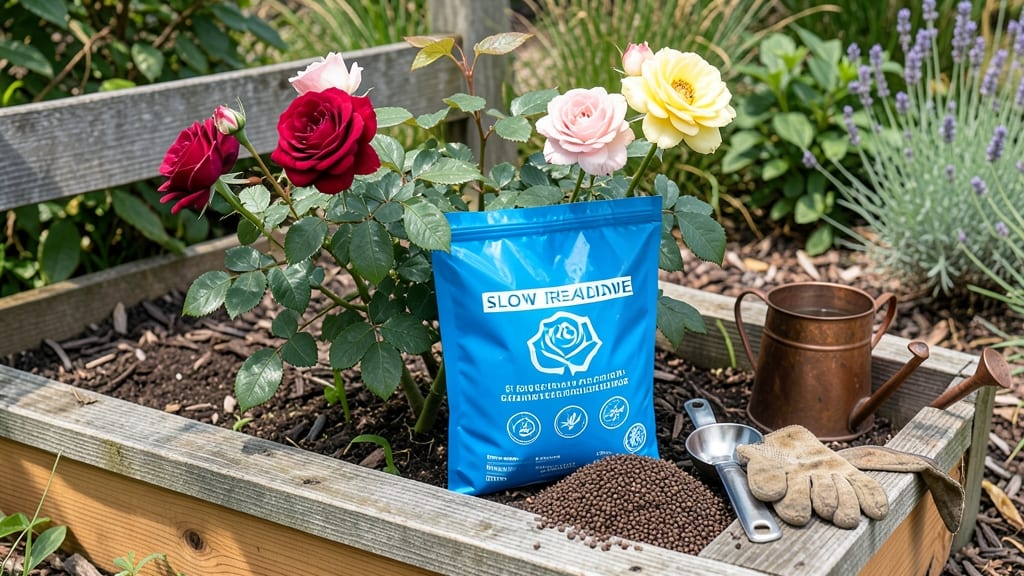
Feeding rose bushes at the right times is the secret to vibrant blooms and strong growth 🌹 — and missing the window can leave your plants struggling.
Timing your rose bush feedings correctly can mean the difference between lush, healthy bushes and ones that barely bloom. Too early, and you risk burning tender roots; too late, and you miss the critical growth stages.
The key is aligning fertilizers with your roses' natural cycles, from spring awakening to fall prep.
Most gardeners focus on spring feeding, but the real game-changer is understanding how seasonal shifts affect your roses. Early spring kickstarts new growth, summer supports blooming, and late summer prepares them for winter dormancy.
I’ll walk you through the exact schedule, including organic and synthetic options, so you can feed like a pro—no guesswork involved.
Ready to transform your garden? You’ll learn how to read your roses’ signals, choose the right fertilizer for each stage, and avoid common mistakes that waste money and stress your plants. Let’s get those roses thriving all season long.

Optimal feeding times for rose bushes in spring & fall
Feeding your rose bushes at the right time is like giving them a perfectly timed energy boost—too early or too late, and you’ll miss the prime growing windows. Spring and fall are the two critical seasons, but the exact timing depends on your soil temperature and local climate.
In my Zone 6a garden, I’ve learned that patience and precision pay off with healthier blooms and stronger canes.
Roses need nutrients to fuel new growth in spring and to store energy for next year in fall. But here’s the catch: feeding too early in spring—when soil is still cold—can burn roots, while feeding too late in fall can encourage tender growth that won’t survive winter.
Let’s break down the science-backed schedule to keep your roses thriving.
Soil temperature is your best guide. For spring feedings, wait until the soil warms to at least 55°F (13°C). In fall, feed only after the first frost date has passed but before temperatures drop below 40°F (4°C). This ensures your roses have time to harden off before winter dormancy.
| Season | Optimal Feeding Window | Soil Temp Trigger | Fertilizer Type | Frequency |
|---|---|---|---|---|
| Early Spring | After last frost, when new growth appears | 55°F (13°C) | Balanced (10-10-10) or organic compost | Every 4-6 weeks |
| Late Spring | After first blooms appear | 60°F+ (16°C+) | High-phosphorus (5-10-5) for blooms | Every 4 weeks |
| Early Fall | 6 weeks before first frost | Above 40°F (4°C) | Low-nitrogen (5-10-10) or bone meal | Once |
| Late Fall | After leaf drop, before hard freeze | Below 40°F (4°C) | None (dormancy period) | N/A |
In early spring, I start with a light feeding as soon as the soil warms and new rose canes emerge. This kickstarts growth without overwhelming the plant. Use a balanced fertilizer like 10-10-10 or well-aged compost.
For organic gardeners, fish emulsion or worm castings work wonders. Apply it to the soil surface, not the leaves, and water it in thoroughly to avoid root burn.
By late spring, when buds form, switch to a high-phosphorus fertilizer (like 5-10-5) to encourage blooming. I feed every 4 weeks until early summer, then taper off to avoid overfeeding, which can lead to weak stems and fewer blooms.
Always follow the package instructions for application rates—more isn’t better with roses!
Fall feeding is often overlooked, but it’s crucial for root development and next year’s blooms. About 6 weeks before your first frost, apply a low-nitrogen fertilizer or bone meal to encourage root growth without stimulating new top growth.
This helps your roses store energy for winter. In my garden, I stop feeding entirely after the first frost to let the plants harden off naturally.
One common mistake I see is overfeeding in fall, which can lead to tender growth that freezes. Another is feeding in winter, when roses are dormant. Instead, focus on mulching with 2-3 inches of organic mulch (like straw or shredded leaves) to insulate roots and retain moisture.
This protects your roses and reduces the need for spring feedings.
If you’re unsure about your soil’s needs, test it in early spring before feeding. Roses thrive in slightly acidic soil (pH 6.0-6.5). If your soil is too alkaline, amend it with peat moss or sulfur before applying fertilizer.
And remember: organic matter like compost or leaf mold improves soil structure and nutrient availability over time.
Pro tip: Mark your feeding schedule on a garden calendar with soil temperature notes. This helps you stay consistent year after year. My roses have never looked better than when I’ve followed this routine—vibrant blooms, strong canes, and minimal pests.
With the right timing and nutrients, your roses will reward you with show-stopping flowers for seasons to come.
How to choose the right fertilizer for each feeding window
Feeding your rose bushes at the right time with the right fertilizer is like giving them a tailored vitamin boost. Early spring calls for a balanced fertilizer (like 10-10-10) to kickstart growth, while flowering stages benefit from high-phosphorus options (5-10-5) to support blooms.
Organic options like compost tea or bone meal are also excellent choices, especially for eco-conscious gardeners.
For new growth stages, focus on nitrogen-rich fertilizers to build strong stems and leaves. When buds form, switch to phosphorus-heavy formulas to encourage vibrant flowers. In late summer, a potassium boost helps roses prepare for winter.
Always match your fertilizer choice to the plant's current needs—this precision makes all the difference in your garden's success.
| Growth Stage | Recommended Fertilizer | Feeding Frequency | DIY Organic Option |
|---|---|---|---|
| Early Spring (New Growth) | Balanced (10-10-10) | Every 4-6 weeks | Compost tea or worm castings |
| Bud Formation | High Phosphorus (5-10-5) | Every 3-4 weeks | Bone meal or fish emulsion |
| Flowering Stage | Balanced (10-10-10) or Potassium-rich (5-10-10) | Every 4-6 weeks | Banana peel tea or kelp meal |
| Late Summer (Prep for Winter) | Potassium-rich (0-0-50) | Once in late August | Wood ash or composted manure |
If you prefer organic fertilizers, DIY recipes are simple and effective. For new growth, mix 1 part compost with 2 parts soil and top-dress around the base. During flowering, blend 1 cup bone meal with 10 gallons of water for a phosphorus-rich foliar spray.
Always water thoroughly after applying organic amendments to help nutrients penetrate the soil.
Synthetic fertilizers offer convenience with precise NPK ratios, but they can burn roots if overused. For these, follow label instructions strictly and avoid feeding during extreme heat or drought.
Organic options release nutrients slowly, reducing burn risks but requiring more frequent applications. Test your soil every 2-3 years to adjust fertilizer types based on deficiency results.
For container-grown roses, use half-strength fertilizer and feed every 3 weeks during the growing season. These plants dry out faster, so monitor moisture closely.
Mulch with 2-3 inches of organic matter (like straw or shredded leaves) to retain moisture and regulate soil temperature—this simple step can reduce fertilizer needs by up to 30%.
Remember, roses hate overfeeding as much as they love the right nutrients. Yellowing leaves or stunted growth often signal too much fertilizer. If this happens, flush the soil with water and reduce future feedings.
With the right fertilizer at the right time, your roses will reward you with lush foliage and stunning blooms all season long. 🌹