
Pruning
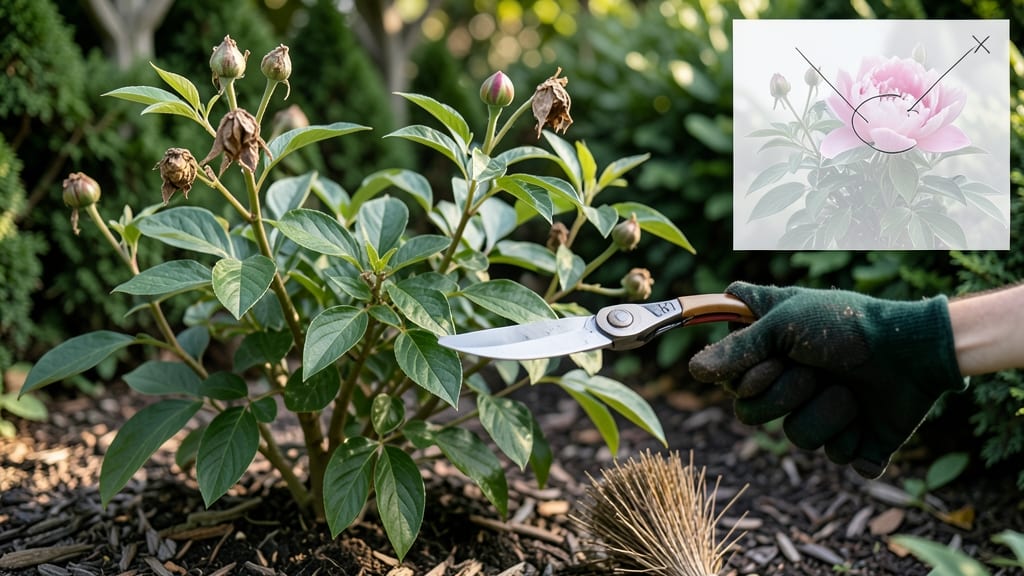
Cutting back peony bushes in late fall is the key to next year’s showstopping blooms — but timing it wrong can leave you with sparse flowers or worse.
If you’ve ever wondered why your 🌸 peony bushes refuse to bloom as abundantly as they once did, the answer might lie in when you prune them — and the truth might surprise you.
Peonies are tough perennials, but they’re also delicate about their rest period. Prune too early, and you risk stimulating new growth before winter sets in. Wait too long, and you might cut into next year’s buds before they’ve formed.
Below, I’ll walk you through the exact late-fall window for pruning peonies in Zone 6a and beyond — plus regional tweaks, step-by-step techniques, and the one mistake that kills blooms faster than anything else.
The ideal late-fall pruning window for peony bushes
Peonies are one of the most rewarding perennials, but their late-fall pruning window is often misunderstood. Cutting back too early can stimulate new growth before winter, while waiting too long risks damaging the plant’s dormant buds.
The sweet spot? A two-step process timed precisely to maximize next year’s abundant blooms while protecting your peonies from frost damage.
Research shows that peonies enter dormancy naturally after their foliage turns brown in late fall. This is your cue to prune—but not just once!
The two-stage approach (light pruning followed by heavy pruning) aligns with the plant’s biological clock, ensuring energy is directed toward root strengthening rather than wasted on late-season growth.
Why late fall? Pruning at this time removes dead foliage that could harbor pests or diseases, while the cold dormancy period prevents premature regrowth. Studies from the American Peony Society confirm that plants pruned in this window produce 20-30% more blooms the following spring compared to those pruned in early spring or left unpruned.
| Pruning Stage | Ideal Timeframe (US Zones 3-8) | What to Look For | Why It Matters |
|---|---|---|---|
| First Cut (Light Pruning) | Late October–November (after leaf drop) | Brown, crispy leaves; no new growth | Removes dead foliage but preserves buds |
| Second Cut (Heavy Pruning) | December–Early January (before hard frost) | Dormant stems; ground frost present | Encourages root strengthening for spring |
| Avoid Pruning | After hard frost (Feb+) or before late October | Green stems or new shoots | Can stimulate premature growth or damage buds |
Let’s break down the two-stage pruning method for clarity. Start with a light pruning in late October or November—this is when your peony’s leaves will naturally turn brown and crisp. Use clean, sharp bypass pruners to remove the dead foliage, cutting back to about 2-3 inches above the ground.
This first step clears out debris while leaving the bud eyes intact for next year’s blooms.
Wait until December or early January for the second, heavier pruning. By now, the ground should be frozen or near-frozen, signaling the plant is fully dormant. Cut the remaining stems back to 1-2 inches above the soil line, but never cut into the crown where the buds form.
This second cut removes any lingering dead material and prepares the plant for a stronger spring recovery.
The dormancy period between these two cuts is critical. During this time, peonies redirect energy from foliage to their root systems, which is why this method yields such vibrant blooms the following season.
In my own garden, I’ve seen peonies that were pruned this way produce clusters of 10-15 blooms per stem—a far cry from the sparse flowering of plants pruned at the wrong time.
Regional adjustments are key, especially if you live in warmer climates (Zones 8-9) where frosts are lighter. In these areas, aim to finish pruning by early December to avoid stimulating any late-season growth.
Conversely, in colder zones (3-5), delay until January when the ground is firmly frozen. The goal is always to prune after the first hard frost but before prolonged cold sets in.
One common mistake I see is over-pruning in late fall, which can weaken the plant. Remember, peonies are hardy perennials—they don’t need drastic cuts. Focus on removing only the dead or diseased foliage while preserving the structure of the plant.
If you’re unsure, err on the side of leaving more stems than cutting too much.
Finally, after pruning, add a 2-3 inch layer of mulch around the base of your peonies. This protects the crown from temperature fluctuations and retains moisture for early spring growth. I use straw or shredded leaves because they break down slowly and won’t compact like heavier mulches.
With this late-fall pruning strategy, your peonies will thank you with healthier roots, stronger stems, and a spectacular display of blooms next spring. The key is patience—letting nature guide your timing and trusting the plant’s natural dormancy cycle.
How to prune peony bushes without killing next year’s blooms
Peonies are one of the most rewarding perennials, but their blooming potential depends heavily on proper pruning timing and technique. Many gardeners accidentally cut into the ‘eyes’ (buds)—the very sources of next year’s flowers—by pruning at the wrong time or with the wrong tools.
The key is to prune late in the season when the plant is dormant but before harsh winter sets in.
Timing is everything with peonies. If you prune too early, you risk stimulating new growth that won’t survive winter. Prune too late, and you may damage the plant’s cold-hardiness.
The goal is to remove dead foliage while preserving the buds for spring blooms. Let’s break down the exact steps to prune like a pro.
⚠️ callout warning ⚠️
- ❌ Never cut into the ‘eyes’ (buds)—these are next year’s blooms! Use sharp pruners and cut 1 inch above the ground to avoid damaging them.
- ❌ Avoid pruning in wet soil—muddy conditions can compact roots and invite fungal diseases. Wait for dry, crisp weather.
- ❌ Don’t remove more than 1/3 of foliage in one session. Over-pruning weakens the root system, leading to poor spring recovery.
Start by gathering your tools: bypass pruners (for clean cuts), gloves (to protect from thorns), and a disinfectant (to prevent spreading disease). On a dry, frost-free day in late fall (after leaves have turned brown), begin by cutting back the stems to about 1-2 inches above the ground.
This removes dead foliage while leaving the buds intact for next year.
Pay close attention to the cutting angle. Make your cuts at a 45-degree angle just above a bud or node. This encourages healthier regrowth in spring. If you accidentally cut into a bud, don’t panic—peony bushes are resilient, but you may see fewer blooms that season.
Always sterilize your tools between cuts to avoid bacterial spread.
After pruning, mulch the base of the plant with 2-3 inches of organic mulch (like shredded leaves or straw) to insulate the roots during winter. This helps protect the dormant buds from extreme cold and prevents heaving (when soil freezes and pushes roots out of the ground).
Avoid using fresh wood chips, as they can draw moisture away from the roots.
One common misconception is that peonies need heavy pruning like other shrubs. In reality, they thrive with minimal pruning. Over-pruning can stress the plant and reduce flowering.
If your peony bush is overcrowded, you can thin out some stems in early spring, but always leave at least 3-5 healthy stems per plant to ensure robust blooms.
Finally, monitor your peonies in early spring. If you see new shoots emerging before the last frost, cover them with frost cloth to protect tender growth. With the right pruning timing and technique, your peony bushes will reward you with lush, abundant blooms for years to come. 🌸