
Light Requirements
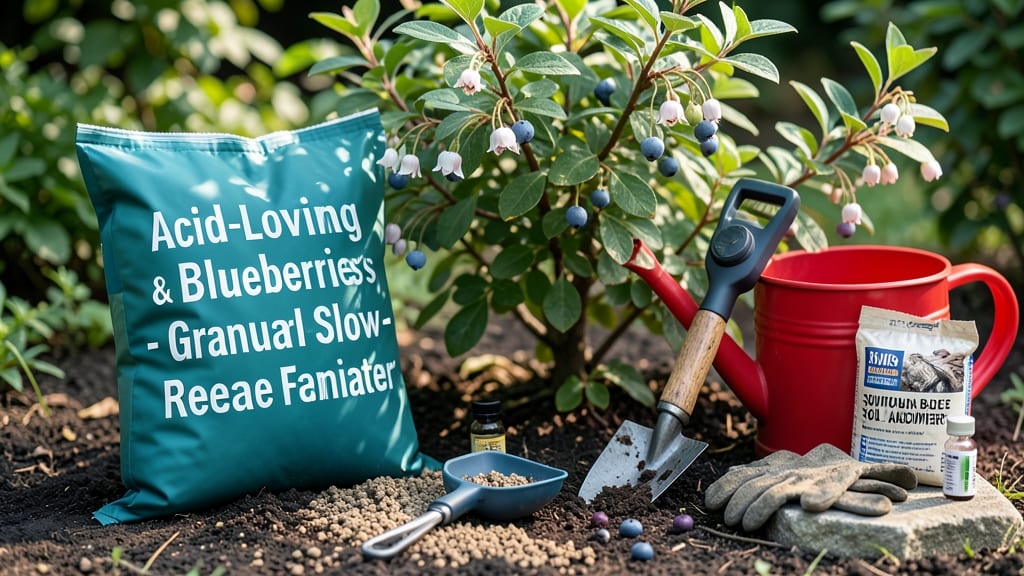
Fertilizing blueberry bushes at the right time is the key to bigger harvests and healthier plants, but timing it wrong can leave you with stunted growth or even fruitless seasons.
If you’ve ever watched your 🫐 blueberry bushes struggle despite your best efforts, chances are you fed them at the wrong moment. These acid-loving shrubs need precise timing—too early, and you risk burning roots; too late, and you miss the growth window entirely.
In this guide, I’ll break down the best seasonal schedule for fertilizing, from early spring feeds to summer maintenance, and how to avoid common mistakes that waste fertilizer or harm your plants.
You’ll learn which fertilizers work best, how often to apply them, and the one critical rule that keeps your blueberries thriving year after year—no guesswork required.

Best times to fertilize blueberry bushes by season: a month-by-month guide
Blueberries are finicky about their food schedule—too early, and you’ll encourage weak growth; too late, and your harvest suffers. The key is feeding them when their roots are hungry but not overloaded.
For acid-loving blueberry bushes, timing aligns with their natural growth cycles, which peak in early spring and taper in late summer. Understanding these windows ensures your bushes get the nutrients they need without risking nutrient burn or wasted fertilizer.
Your blueberries need three main feeding windows: early spring to kickstart growth, late spring for flowering and fruiting, and a light summer boost. Avoid fertilizing in fall or winter, as new growth won’t survive cold snaps.
Soil pH matters too—blueberries thrive in acidic soil (4.5–5.5), so test your soil before applying any fertilizer. If your soil is too alkaline, adjust with sulfur or peat moss before feeding.
🌱 Ready to fertilize? Here’s your month-by-month guide to feeding blueberries for maximum yield.
| Month | Growth Stage | Fertilizer Action | Soil Condition | Notes |
|---|---|---|---|---|
| January | Dormant | None | Cold, dry | Focus on mulching to protect roots. |
| February | Early Dormancy | None | Thawing | Wait for buds to swell (sign of spring). |
| March | Bud Swell | Light Feed | Moist, warming | Apply 1 tbsp acidic fertilizer per plant. |
| April | Flowering | Full Feed | Warm, moist | Use 2 tbsp nitrogen-rich fertilizer. |
| May | Fruiting | Light Feed | Consistently moist | Avoid high-nitrogen; switch to potassium. |
| June | Harvest | None | Hot, dry | Water deeply; no fertilizer until late summer. |
| July | Post-Harvest | Light Feed | Warm, drying | Apply organic compost to replenish soil. |
| August | Root Growth |
How to choose the right fertilizer for blueberry bushes: organic vs. synthetic optionsBlueberry bushes demand precise fertilization to thrive, but not all fertilizers work equally well. The right type and timing can mean the difference between lush foliage and poor fruit production. Organic options like cottonseed meal and compost release nutrients slowly, while synthetic fertilizers like ammonium sulfate provide quick fixes. Each has unique benefits—and risks—when it comes to your blueberries' health. Your blueberry bushes need acidic soil (pH 4.5-5.5) to absorb nutrients effectively. Synthetic fertilizers can lower pH quickly but may cause nutrient burn if overapplied. Organic options, like peat moss, improve soil structure over time but require patience. Understanding these differences helps you avoid common mistakes that harm your plants during critical growth phases. Organic vs. Synthetic Fertilizers for Blueberry BushesOrganic Fertilizers
Best for: Long-term soil enrichment, sustainable gardening Synthetic Fertilizers
Best for: Rapid growth phases, correcting deficiencies Ideal Application WindowsEarly Spring (March-April): Use ammonium sulfate (synthetic) for quick nitrogen boost or cottonseed meal (organic) for slow-release nutrients. Late Summer (August): Apply compost or peat moss to prepare for root growth before dormancy. For early spring fertilization, I recommend ammonium sulfate (synthetic) if your bushes need an immediate nitrogen kick. This is ideal when you see new growth but weak foliage. Mix 1 tablespoon per plant into the soil and water thoroughly. Organic gardeners can use cottonseed meal, which takes 2-3 months to break down but provides steady nutrients. Mid-summer fertilization should focus on potassium and phosphorus to support fruit development. A balanced 10-10-10 fertilizer (synthetic) works well here, but avoid overdoing it—too much nitrogen late in the season can delay dormancy. Organic options like bone meal (for phosphorus) or kelp meal (for potassium) are excellent alternatives for a gentler approach. Avoid fertilizing in fall or winter, as new growth can be damaged by frost. Instead, focus on mulching with pine needles or compost to maintain soil acidity naturally. This also protects roots during cold months. Remember, blueberries are dormant in winter, so no fertilization is needed unless you're addressing specific deficiencies with a soil test. Always test your soil pH before fertilizing—blueberries hate alkaline soil. If your pH is too high, use sulfur or aluminum sulfate to lower it gradually. Over-fertilizing is a common mistake; stick to the recommended amounts and monitor your plants for signs of stress, like yellowing leaves or stunted growth. When in doubt, less is more! 🫐 |