
How To
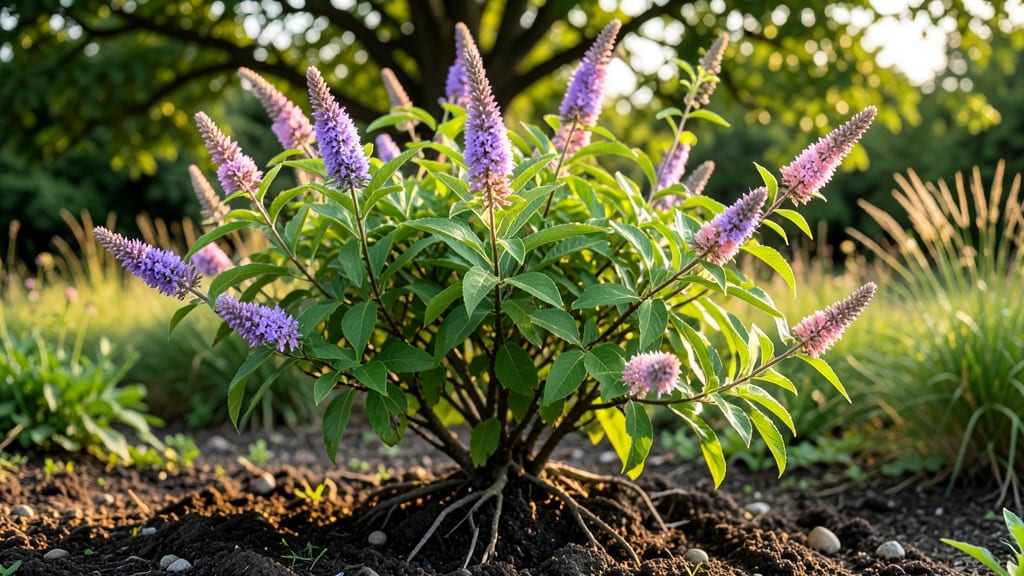
Butterfly bushes start to bud when spring warmth triggers new growth, typically between late April and early June depending on your hardiness zone.
Wondering when your butterfly bush will burst into vibrant blooms? Timing depends on your hardiness zone—and knowing the exact months can mean the difference between a stunning summer display and a missed opportunity.
In zone 6a, where many gardeners live, buds usually appear by mid-May, while warmer climates may see them as early as April.
These 🦋-loved shrubs rely on consistent sunlight and well-drained soil to kickstart budding. A south-facing spot with at least 6 hours of sun daily speeds up the process, while over-pruning or poor drainage can delay it. Even a single late frost can set blooms back, so timing matters.
Below, I’ll break down the exact months by zone, share 3 proven tricks to encourage earlier buds, and reveal why some cultivars bloom weeks ahead of others. Ready to transform your garden into a pollinator paradise?
Butterfly bush blooming timeline by USDA hardiness Zones
Your butterfly bush (Buddleia) won’t bloom on the same schedule everywhere. The USDA hardiness zone you live in directly impacts when those fragrant purple spikes appear. In colder zones like 5-6, buds typically form 4-6 weeks later than in warm zone 10.
Understanding this timeline helps you plan pruning and extend the blooming season.
Most butterfly bushes start budding in late spring, but the exact timing varies. Early varieties like 'Lo & Behold Red' may bud as early as May in zone 8, while late bloomers like 'Black Knight' might wait until June in zone 5.
The key factor? Warmth after dormancy triggers bud formation.
Here’s a zone-by-zone breakdown of when to expect buds and full blooms, including early, mid, and late-season varieties:
| USDA Zone | Bud Formation | Full Bloom | Early Variety Example | Late Variety Example |
|---|---|---|---|---|
| Zone 5 | Late May - Early June | Mid-July - August | 'Lo & Behold Pink' | 'Black Knight' |
| Zone 6 | Early May - Mid-May | Late June - July | 'Miss Ruby' | 'Royal Violet' |
| Zone 7 | Mid-April - Early May | Early June - Mid-July | 'Lo & Behold Blue' | 'Attraction Pink' |
| Zone 8 | Late March - April | May - June | 'Lo & Behold Red' | 'Empire Blue' |
| Zone 9 | February - March | April - May | 'Miss Ruby' | 'Royal Violet' |
| Zone 10 | January - February | March - April | 'Lo & Behold White' | 'Empire Blue' |
Timing may shift 2-4 weeks based on microclimate and variety.
In zone 5, where winters are harsh, butterfly bushes often need 30-45 days of consistent 60°F+ temperatures before budding. That’s why you’ll see buds appear in late May rather than April. In contrast, zone 10 bushes can start budding as early as January because they experience milder winters.
If you’re in zone 6-7, pay attention to last frost dates. Buds typically form 4-6 weeks after the final frost when soil reaches 55°F.
For example, if your last frost is April 15, expect buds by mid-May. Early varieties like 'Miss Ruby' often beat the curve in these zones.
For zone 8-10 gardeners, the real trick is pruning timing. If you prune too late in winter, you might delay budding until April instead of February.
Always prune dormant bushes in late winter (just before buds swell) to encourage earlier blooms. In warm zones, some bushes even produce second flushes if given proper care.
One pro tip: Monitor your bush’s leaf color in early spring. When new leaves emerge with a deep green hue, buds are usually 2-3 weeks away. Pale or yellowing leaves often signal nutrient deficiencies, which can delay blooming by 3-4 weeks.
Regardless of your zone, full sun exposure is non-negotiable for bud formation. If your butterfly bush gets less than 6 hours of sunlight
How to accelerate butterfly bush bud formation naturally
Butterfly bushes (Buddleia) are famous for their butterfly-attracting blooms, but their budding timeline can feel frustratingly slow. The good news? With the right techniques, you can encourage earlier blooms by up to 3-4 weeks—without chemicals.
The key lies in pruning timing, soil health, and climate-specific care.
Most butterfly bushes begin budding in late spring to early summer, but their exact timing depends on your USDA hardiness zone and how well they’ve been cared for. In Zone 5-6, buds typically form in May-June, while Zones 7-10 see buds as early as April.
The secret to pushing this timeline earlier? Start with late-winter pruning and sunlight optimization.
- 1 Prune in late winter (Feb-March) – Cut back 1/3 of old growth to stimulate new spring shoots that form buds faster.
- 2 Maximize sunlight exposure – Butterfly bushes need 6+ hours of direct sun daily. Trim nearby trees or relocate if shaded.
- 3 Amend soil with compost – Mix in 2-3 inches of compost in early spring to boost nutrient availability for bud formation.
- 4 Water deeply in morning – 1 inch per week (more in Zones 8-10) prevents stress that delays budding.
- 5 Fertilize lightly in early spring – Use a balanced 10-10-10 fertilizer (1 tbsp/plant) to avoid overstimulating foliage at the expense of flowers.
For cooler climates (Zones 5-6), focus on winter protection—mulch heavily (4-6 inches) to insulate roots. This ensures stronger spring regrowth and earlier budding. In warmer zones (7-10), prioritize consistent moisture during dry spells, as drought stress can stall bud formation.
One common misstep? Pruning too late in spring. If you wait until April or May, you’ll cut off potential buds already forming. Instead, prune in February-March while the plant is still dormant. This gives new shoots 6-8 weeks to mature into bud-bearing stems before summer.
Pro tip: Deadhead spent blooms in late summer to encourage a second flush of buds. This works best in Zones 7-10, where the growing season extends longer. Just avoid deadheading in Zones 5-6—let the plant conserve energy for next year’s buds.
With these adjustments, you’ll see buds forming 2-4 weeks earlier and a longer flowering season. The key is consistency—prune early, feed lightly, and keep roots hydrated without overwatering. Your butterfly bush will reward you with vibrant blooms that attract pollinators all summer long! 🦋