
Pests
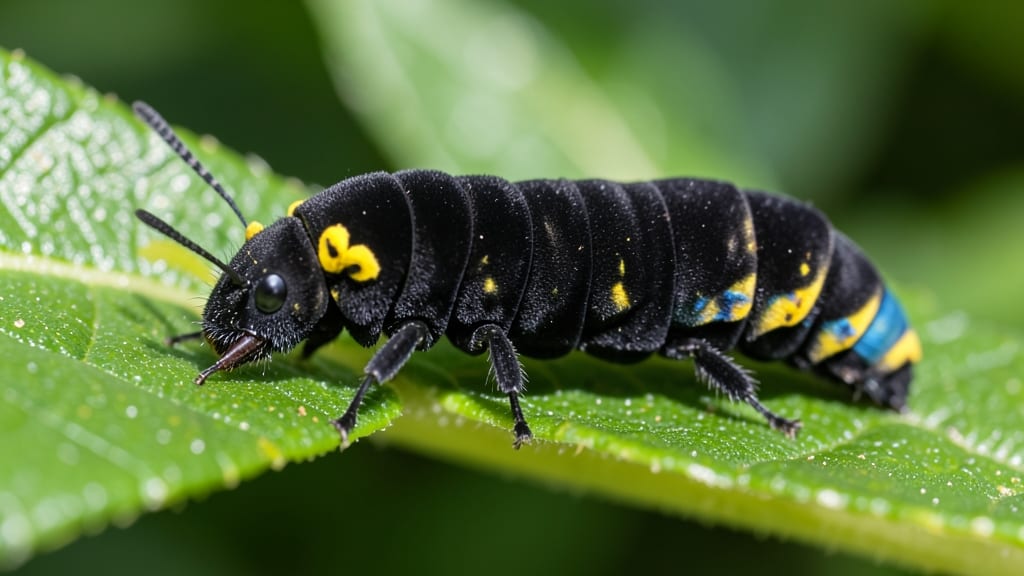
Spicebush swallowtail caterpillars primarily eat spicebush (Lindera benzoin) and sassafras (Sassafras albidum) leaves, though they may also consume sweetbay magnolia (Magnolia virginiana) and linden (Tilia spp.) foliage in some regions. These plants contain essential oils that deter most pests but are metabolized by the caterpillars.
These caterpillars have a specialized diet because their host plants contain unique compounds like safrole and asarone, which repel most other insects. 🌿 The caterpillars have evolved to break down these chemicals, allowing them to thrive where others can't. While spicebush and sassafras are their preferred meals, they'll occasionally munch on magnolia or linden leaves when these aren't available.
This picky eating habit actually benefits gardeners—it means they won't damage your prized vegetables or flowers. The caterpillars' bright green color with yellow stripes serves as a warning to predators about their toxic potential when disturbed.
If you're trying to attract them, focus on planting native spicebush or sassafras in sunny locations with well-drained soil.
💡 In This Article
- Why Spicebush Swallowtail Caterpillars Prefer Specific Host Plants
- Creating a Garden to Attract Spicebush Swallowtail Caterpillars
Why spicebush swallowtail caterpillars prefer specific host plants
The spicebush swallowtail caterpillar's diet isn't random—it's a result of an ancient evolutionary arms race. These caterpillars have specialized enzymes that break down toxic compounds like safrole and asarone found in spicebush (Lindera benzoin) and sassafras (Sassafras albidum).
These compounds act like natural pesticides, repelling 99% of other herbivores while the caterpillars metabolize them into harmless byproducts. 🌿 The caterpillars' bright green bodies with yellow stripes actually serve as a warning to predators: "Don't eat me—I'm toxic when disturbed!"
Here's how the chemistry works: Safrole and asarone are allelochemicals—plant-produced chemicals that deter feeding. In spicebush, these oils make up about 1-3% of the leaf's dry weight, creating a bitter, almost medicinal aroma that most insects avoid.
Yet, spicebush swallowtail caterpillars possess specialized cytochrome P450 enzymes that detoxify these compounds, allowing them to feed safely. This adaptation is so precise that they can't survive on most other plants without these protective chemicals.
The caterpillars' preference for these plants extends beyond just survival—it's about efficiency. Spicebush and sassafras leaves contain high levels of nitrogen and water, providing optimal nutrition for rapid growth.
A single caterpillar can consume up to 100 leaves during its 4-6 week larval stage, growing from just 1/8 inch to nearly 2 inches in length. This voracious appetite is only possible because their host plants offer both protection and nutrition in one package.
Interestingly, the caterpillars' diet changes as they mature. Early instars (young caterpillars) prefer the tender new growth of spicebush, while later stages can handle the tougher, more fibrous leaves. This progression allows them to utilize the entire plant throughout their development.
In the wild, you'll often find caterpillars clustered on the youngest leaves at the tips of branches, where the safrole concentration is highest but the leaves are most digestible.
What makes this adaptation even more fascinating is the caterpillars' ability to recognize their host plants by smell alone. When given a choice between spicebush and other plants in laboratory tests, they consistently select spicebush within 30 minutes, even when other food sources are available.
This chemical recognition is hardwired into their biology, ensuring they find the plants that will support their survival.
For gardeners, this specialized diet means these caterpillars won't damage your vegetables or flowers—they're picky eaters with very specific requirements. Their presence actually indicates a healthy ecosystem where native plants are thriving.
The bright yellow and black bands on their bodies develop only after they've consumed enough safrole, serving as a visual cue that they've found their ideal food source. 🌟