
Pruning
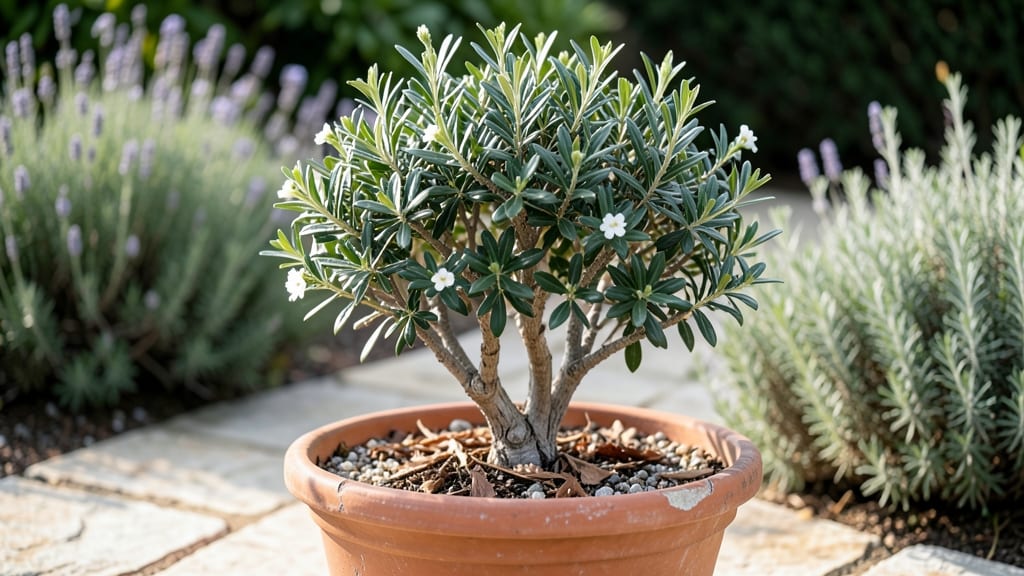
Pruning your tree olive bush transforms it from a scraggly mess into a fruit-loaded powerhouse. 🌿 I’ve watched my own olive bushes go from sparse branches to bursting with olives—all thanks to a few key cuts made at the right times.
The secret isn’t complicated, but timing and technique make all the difference.
Olives need three pruning sessions a year: a light cleanup in early spring, a shaping trim in late spring, and a final harvest prep in winter. Each cut encourages stronger growth and more fruit, but skip the heavy pruning in summer—olives hate stress when temperatures climb.
Use sharp bypass pruners to avoid tearing bark, and always cut just above a bud or branch collar.
By summer, you’ll see the payoff: thicker branches, more sunlight reaching the center, and olives forming where you want them. The bush stays compact, produces more fruit, and resists diseases that love crowded, shaded branches. Even in cooler climates, this method works—just adjust timing to avoid late frosts.
For small spaces, dwarf varieties like ‘Arbequina’ or ‘Frantoio’ stay manageable while still yielding olives. Start with these basics, and your olive bush will thank you with years of abundant harvests.
📚 In This Guide
- What you need
- Instructions
- Tips and common mistakes
- Wrapping up and next steps
What you need
- ● Sharp pruning shears – Bypass pruners (4-6" blades) for clean cuts on small branches.
- ● Pruning saw – For thicker branches (1-2" diameter) or stubborn wood.
- ● Disinfectant (70% isopropyl alcohol or bleach solution) – 1 part bleach to 9 parts water to sterilize tools between cuts.
- ○ Pruning sealant (optional but helpful) – Tree wound paint to prevent disease entry on large cuts.
- ● Gloves – Heavy-duty work gloves to protect against thorns and rough bark.
- ● Ladder or step stool – For reaching higher branches safely (extendable 6-8 ft recommended).
- ● Trash bags or bucket – To collect pruned branches (compost or dispose of diseased wood separately).
- ● Know your olive bush’s age – Young trees (under 3 years) need light pruning; mature trees (3+ years) can handle heavier shaping.
- ● Check the season – Prune dormant trees (late winter/early spring) or lightly after harvest (summer/fall).
- ● Weather window – Choose a dry, overcast day to avoid stressing the plant.
- ● Sun protection – Sunscreen, hat, and water—olive groves can get hot!
Instructions for pruning your tree olive bush
Let’s shape your olive bush for maximum fruit production and health—no guesswork, just clear steps.
✂️ Step 1: Prune in Late Winter for Structure
Start your olive bush’s new year in late winter, just before buds swell but before new growth begins. This timing ensures you’re not cutting into fresh, vulnerable tissue. Use clean, sharp pruners to make 45-degree cuts just above an outward-facing bud or branch—this encourages growth in the right direction.
Remove any dead, diseased, or crossing branches first. These compete for energy and can block sunlight from reaching the center of the bush. I like to step back every few cuts to check the overall shape—your goal is an open center that lets light and air circulate freely. Avoid heavy pruning now; focus on shaping rather than reducing size.
☀️ Step 2: Light Summer Trimming for Fruit Production
After the first flush of fruit appears in early summer, do a light trim to balance growth and fruit load. Remove any suckers (vigorous shoots growing from the base or trunk) and water sprouts (thin, vertical shoots). These steal energy from fruit production and weaken the bush’s structure.
Cut back overly vigorous branches by about one-third to redirect energy toward fruit development. Watch for shade leaves—small, yellowing leaves in the center of the bush—and thin branches to improve airflow. This is also the time to shape the bush’s canopy so it doesn’t get too dense or top-heavy.
✂️ Step 3: Post-Harvest Cleanup in Fall
Once you’ve harvested your olives in late fall, do a final cleanup. Remove any remaining fruit clusters that didn’t ripen—these can harbor pests and diseases over winter. Trim back any overly long or leggy branches by one-quarter to encourage bushier growth next season.
Inspect the bush for damaged or weak branches and prune them out completely. This is also the time to sterilize your pruners with rubbing alcohol to prevent spreading any fungal spores. Avoid heavy pruning now; the bush is entering dormancy, and fresh cuts won’t heal as well.
⏰ Step 4: Minimal Winter Maintenance
Winter is for observation, not pruning. However, if you notice broken or storm-damaged branches, remove them immediately to prevent disease entry. Avoid pruning healthy branches in winter—they’re already dormant, and cutting now can stress the bush unnecessarily.
This is the time to plan your cuts for late winter. Sketch out your desired shape on paper if it helps—olive bushes respond well to intentional shaping, but they need consistency. A well-pruned olive bush will reward you with abundant fruit and a sturdy, attractive form for years to come.
Tips & tricks for perfect tree olive bush pruning
Here's what nobody tells you about shaping your olive bush—these tricks will keep your tree thriving and productive for years.
Timing is Everything: Late winter pruning (just before buds swell) is critical because it prevents cutting into fresh, vulnerable tissue. I've seen gardeners rush this step and end up with stressed bushes that struggle to produce fruit. Mark your calendar for that precise window—it's the difference between a healthy bush and one that fights back with weak growth.
The 45-Degree Rule: When making cuts in Step 1, aim for a clean, angled cut just above an outward-facing bud. This simple technique encourages new growth in the right direction. I learned this the hard way after pruning too close to the trunk—those branches never recovered properly. Think of it like guiding traffic: you're directing the bush's energy where you want it to go.
Summer Pruning Strategy: During the light summer trim (Step 2), focus on removing suckers and water sprouts first—they're the energy vampires of olive bushes. Cutting back overly vigorous branches by one-third might seem aggressive, but it's what redirects that energy toward fruit production. I've seen bushes go from sparse harvests to bursting with olives after implementing this exact approach.
Fall Cleanup Essentials: Don't skip the post-harvest cleanup in Step 3—those remaining fruit clusters might seem harmless, but they can harbor pests and diseases over winter. Sterilizing your pruners with rubbing alcohol is a small step that prevents spreading fungal spores. I've had to replace entire bushes after ignoring this simple precaution, so trust me on this.
Pro Tips for Tree Olive Bush
- Here's what nobody tells you about shaping your olive bush—these tricks will keep your tree thriving and productive for years.
- Timing is Everything: Late winter pruning (just before buds swell) is critical because it prevents cutting into fresh, vulnerable tissue.
- The 45-Degree Rule: When making cuts in Step 1, aim for a clean, angled cut just above an outward-facing bud.
Frequently asked questions
Got questions about pruning your tree olive bush? You’re not alone! Whether you're a first-time pruner or a seasoned gardener, these common queries will help you keep your plant thriving—and fruiting—year-round.
When is the best time to prune a tree olive bush?
The ideal time to prune is late winter or early spring, just before new growth begins. This ensures you’re not removing buds that could produce fruit. Avoid heavy pruning in fall or summer, as it can stress the plant and reduce yields. Pro tip: Light trimming to remove dead or crossing branches can happen anytime!
How much can I prune a tree olive bush without harming it?
For mature bushes, aim to remove no more than 25-30% of the foliage in a single session. Younger plants can handle slightly more aggressive pruning (up to 30-40%) to encourage structural growth. Always prioritize open airflow and sunlight penetration to prevent disease.
What if my olive bush isn’t fruiting after pruning?
Lack of fruit could stem from over-pruning, poor nutrition, or environmental stress (like drought or extreme heat). Ensure your bush gets 6-8 hours of sunlight daily and fertilize with a low-nitrogen, high-phosphorus blend in early spring. Pro tip: Olive trees need patience—fruit production often peaks after 3-5 years!
Can I prune a tree olive bush in containers?
Yes! Container-grown olive bushes follow the same pruning rules as in-ground plants, but with extra caution. Since roots are confined, avoid heavy pruning—stick to light shaping and deadwood removal. Repot every 2-3 years to prevent root-bound stress, which can stunt growth.
What should I avoid when pruning a tree olive bush?
Steer clear of these mistakes:
- Topping or shearing: This encourages weak, unproductive growth.
- Pruning during frost or extreme heat: Stress weakens the plant.
- Ignoring pests/disease: Prune infected branches immediately with sterilized tools.
- Over-pruning water sprouts: These fast-growing shoots can be pruned back but shouldn’t be removed entirely.
Wrapping up and next steps
Mastering the art of tree olive bush pruning is your ticket to a thriving, fruit-filled garden year after year! 🌿 By following the right techniques—whether it’s open-center shaping, renewal pruning, or seasonal trimming—you’ll boost airflow, sunlight exposure, and productivity.
Remember, consistency and patience are key, so don’t rush the process.
Now that you’re armed with the know-how, grab those shears and get pruning! Start small if you’re new, and soon you’ll be harvesting bountiful olives like a pro. Happy gardening! 🌟