
Pruning
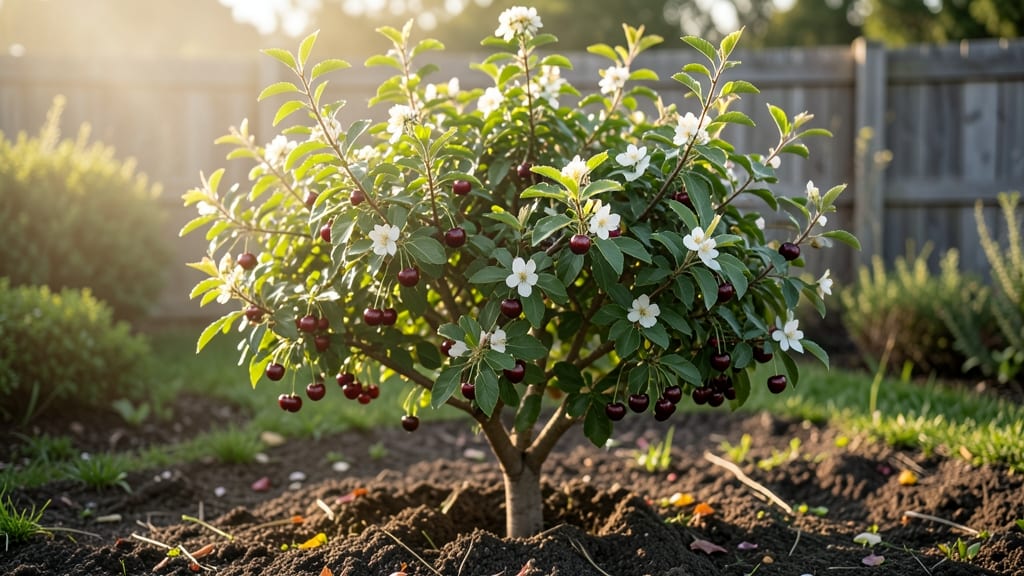
Your sweet cherry bush thrives when you prune it like a pro—year-round health starts with the right cuts at the right time. 🌱 I learned the hard way that skipping winter pruning means fewer cherries next summer, but mastering this simple system transformed my bush from scraggly to productive.
The key is timing: dormant-season cuts shape the structure, while summer trims keep it blooming hard.
You’ll need sharp pruners, a ladder (for taller bushes), and a clear day to work—no soggy wood or frost. Start by removing dead or crossing branches first, then thin out crowded areas to improve airflow.
My bush now produces pounds of cherries because it’s not fighting for sunlight and water. The secret? Cut just outside the branch collar, never leaving stubs.
By late summer, you’ll spot new growth where you pruned—this is your bush’s way of saying "thank you." The branches stay strong, the fruit sets heavier, and pests have fewer hiding spots. Even if you miss a season, don’t panic: consistent pruning over time makes up for past mistakes.
Works for any sweet cherry cultivar, from dwarf varieties to standard-sized bushes. Here’s how to keep yours productive, pest-free, and picture-perfect all year long.
📚 In This Guide
- What you need
- Instructions
- Tips and common mistakes
- Wrapping up and next steps
What you need
- ● Pruning shears: Bypass pruners (sharp, 6–8" blades) for small branches. Quantity: 1 pair.
- ● Loppers: For thicker branches (up to 2" diameter). Quantity: 1 pair.
- ● Pruning saw: Heavy-duty handsaw for branches >2" in diameter. Quantity: 1.
- ● Disinfectant: 70% isopropyl alcohol or 10% bleach solution (1 part bleach to 9 parts water) to sterilize tools between cuts. Quantity: Small spray bottle or wipe.
- ○ Gloves: Heavy-duty, cut-resistant gloves (optional but recommended for thorns!). Quantity: 1 pair.
- ○ Pruning sealant: Tree wound sealant (optional, for larger cuts >½" diameter). Quantity: Small tube.
- ● Ladder or step stool: For reaching higher branches. Height: Adjustable to 8–12 ft.
- ● Trash bags: For collecting pruned branches. Quantity: 2–3 large bags.
- ● Weather: Prune on a dry, not windy day to avoid spreading disease. Ideal temps: 50–75°F.
- ● Timing: Know your zone! Dormant season (late winter/early spring) is best for major pruning; light shaping can happen year-round.
- ○ Safety gear: Safety glasses (optional but smart for debris).
- ● Tree health check: Inspect for pests/diseases (e.g., black knot) before pruning. 💡 Pro Tip: Sterilize tools if your bush shows signs of infection!
- ● Marking spray: Fluorescent paint to mark branches for removal (great for complex pruning plans).
- ● Extension pole: For high branches (attach loppers/saws to reach safely).
- ● Notebook: To sketch your bush’s structure before/after pruning.
- ● Mulch: Shredded bark or compost to replenish soil after pruning.
Instructions for pruning your sweet cherry bush
Here’s the straightforward approach I’ve used for years to keep my sweet cherry bushes thriving and productive.
✂️ Step 1: Prune in Late Winter or Early Spring
Timing is everything—wait until dormant season, just before buds swell but before new growth begins. This is usually February to early March in most climates. Pruning at this time prevents disease spread and lets you see the bush’s structure clearly since there’s no foliage blocking your view.
Start by removing dead, diseased, or crossing branches—these are your top priorities. Use clean, sharp pruning shears to make cuts at a 45-degree angle about ¼ inch above a healthy bud. This angle helps water run off the cut and prevents rot. If you’re unsure which branches to cut, look for ones that rub against others or grow inward—they’ll compete for sunlight and nutrients.
✂️ Step 2: Thin Out Overcrowded Branches
Sweet cherry bushes produce best when they have good airflow and sunlight penetration. Focus on thinning branches that are growing too close together or those that create a dense canopy. Aim to remove about 20-30% of the total branches—this keeps the bush open and reduces the risk of fungal diseases like powdery mildew.
When thinning, cut branches back to their point of origin or to a strong lateral branch. Avoid leaving stubs—always make clean cuts just outside the branch collar. You’ll know you’re doing it right when the bush’s skeleton starts to look more balanced and open. This step is especially important for young bushes, as it sets the stage for strong growth.
☀️ Step 3: Shape the Bush for Optimal Growth
After removing the dead, diseased, and crowded branches, it’s time to shape the bush. Sweet cherry bushes benefit from an open-center form, where the center stays slightly open to allow sunlight to reach the inner branches. This encourages fruit production on the outer parts of the bush.
Use your pruners to shorten overly long branches by cutting them back to a strong lateral branch or bud. For branches that are growing outward, you can leave them longer, but for those growing inward or downward, cut them back more aggressively. Step back occasionally to check your progress—you want the bush to look like it has room to breathe and grow.
✂️ Step 4: Light Summer Pruning for Maintenance
After the initial pruning in late winter or early spring, give your sweet cherry bush a light touch in mid-to-late summer. This is when you remove any suckers (new shoots growing from the base) and water sprouts (fast-growing vertical shoots). These compete with the main branches for nutrients and can weaken the bush.
You’ll also want to thin out some of the fruit if the bush is overloaded—this ensures the remaining cherries grow larger and healthier. Cut back any branches that are damaged from storms or pests. Keep your cuts clean and precise, and always disinfect your pruners between cuts to prevent the spread of disease.
⏰ Step 5: Clean Up and Prepare for Next Season
The final step is cleanup—remove all pruned branches and debris from the area around the bush. This reduces the risk of pests and diseases overwintering. Rake up fallen leaves and dispose of them properly, and consider applying a layer of mulch around the base of the bush to retain moisture and suppress weeds.
Now’s also a great time to fertilize lightly if your soil is nutrient-poor. Use a balanced, slow-release fertilizer to give your cherry bush the nutrients it needs for next year’s growth. Keep an eye on the bush throughout the growing season, and be ready to prune lightly again in late summer if needed. With consistent care, your sweet cherry bush will reward you with years of delicious fruit.
Tips & tricks for pruning your sweet cherry bush
Took me years to figure out these key tricks—now your cherry bush will thrive like a pro's. Here's what nobody tells you about keeping your sweet cherry bushes healthy and productive.
Timing Secret: The February to early March window is non-negotiable for dormant pruning. If you miss this timing, you risk spreading disease or encouraging new growth that can get damaged by late frosts. I've learned this the hard way after seeing buds swell too early and get frostbitten. Watch for those tiny bud swellings—when they're just starting to plump up but haven't broken yet, that's your cue to prune.
Equipment Essentials: Never use dull shears—they crush branches instead of making clean cuts. Invest in high-quality bypass pruners for larger branches and hand pruners for smaller ones. I sterilize my tools between cuts using rubbing alcohol on a cloth, which prevents disease transmission between branches. Also, keep a small trash bag handy to collect debris as you work—this makes cleanup much easier later.
Visual Cue Technique: When shaping your bush in Step 3, step back every few minutes to check your progress. The goal is an open center that lets sunlight reach all parts of the bush. Imagine looking through the bush—you should see light filtering through to the center. This open form prevents fungal diseases by improving airflow and encourages fruit production on the outer branches where sunlight is strongest.
Seasonal Maintenance: That light summer pruning in mid-to-late summer isn't just about removing suckers—it's also your chance to thin out fruit clusters. Leave about 6-8 inches between cherries on each cluster to ensure they grow large and sweet. I've found that when I skip this step, my cherries stay small and tart. The key is to do this thinning when the fruit is still small—about the size of a pea—so the bush can redirect its energy to fewer, larger fruits.
Pro Tips for Sweet Cherry Bush
- Took me years to figure out these key tricks—now your cherry bush will thrive like a pro's.
- Timing Secret: The February to early March window is non-negotiable for dormant pruning.
- Equipment Essentials: Never use dull shears—they crush branches instead of making clean cuts.
Frequently asked questions
Got questions about keeping your sweet cherry bush thriving with the right pruning techniques? Here are some of the most common ones—and their answers!
When is the best time to prune a sweet cherry bush?
The ideal window is late winter or early spring (just before buds swell) to avoid disease spread. Avoid pruning in fall—this invites fungal infections. For established bushes, a light shaping trim in summer (after harvest) can also help. Pro tip: Never prune during wet weather!
How much can I trim back a sweet cherry bush in one session?
Never remove more than 25% of the canopy in a single pruning. Over-pruning stresses the bush, reducing fruit yield. Focus on dead, diseased, or crossing branches first, then thin out older wood to improve airflow. Warning: Heavy cuts now = fewer cherries next season!
Why are my sweet cherries small or sparse after pruning?
Small or few cherries often mean over-pruning or poor timing. If you cut too aggressively, the bush diverts energy to regrowth instead of fruit. Also, young bushes (under 5 years) need minimal pruning—focus on shaping later. Check for pests (like aphids) or nutrient deficiencies too!
Can I prune a sweet cherry bush in hot or cold weather?
Avoid pruning in extreme heat (above 85°F) or freezing temps (below 40°F). Stress from cuts + harsh conditions = slower healing and higher disease risk. Early spring (40–60°F) is perfect. Hot tip: Prune on a cloudy day to reduce sun stress on fresh cuts.
What’s the difference between pruning sweet cherries vs. sour cherries?
Sweet cherries are more sensitive to disease (like brown rot), so sterilize tools between cuts and avoid wet-season pruning. Sour cherries tolerate pruning better but still need open canopies. Both benefit from open-center shaping, but sweet cherries often need less aggressive cuts to prevent fruit loss.
Still stumped? Drop your pruning dilemma below—we’ve got answers!
Wrapping up and next steps
Pruning your sweet cherry bush isn’t just about shaping—it’s about unlocking its full potential! 🌿 With the right tools, timing, and techniques, you’ll ensure vibrant blooms, bountiful fruit, and long-term health. Whether you’re a seasoned gardener or just starting, every strategic cut brings you closer to a thriving bush.
Ready to take the next step? Grab your pruners, review your notes, and schedule your next pruning session—your cherry bush will thank you with lush growth and delicious rewards!