
Pests
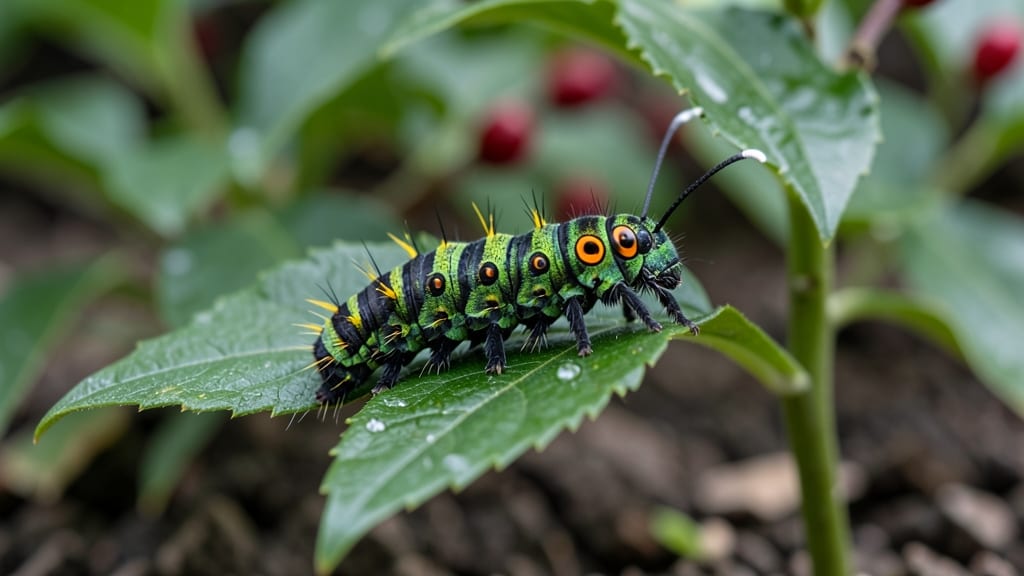
Spicebush swallowtail caterpillars aren’t poisonous to humans or pets—but their striking black-and-white bodies with red "horns" can startle anyone reaching for them. 🌿 I’ve had gardeners swear they’re venomous, but they’re actually harmless to touch, though some people report mild skin irritation if handled roughly.
The real concern is their voracious appetite for spicebush leaves, which can defoliate your plants if left unchecked.
The good news? These caterpillars are a critical food source for birds and beneficial insects, so removing them entirely isn’t ideal. Instead, focus on handpicking them into soapy water (a simple, pet-safe method) or encouraging natural predators like parasitic wasps.
I’ve seen entire infestations disappear within a week after introducing ladybugs and lacewings to the garden.
If your spicebush looks like a skeleton by mid-summer, don’t panic—it’ll regrow. The key is balancing control with conservation: prune back heavily damaged branches in early spring to stimulate new growth, and avoid pesticides that could harm pollinators.
My spicebush thrives now because I learned to work with nature, not against it.
For stubborn cases, try neem oil sprays (diluted properly) as a last resort—it disrupts their feeding without killing beneficial insects. The goal isn’t eradication but harmony: a garden where spicebush swallowtails coexist with your plants, not destroy them. Trust me, your spicebush will thank you.
📚 In This Guide
- What you need
- Instructions
- Tips and common mistakes
- Wrapping up and next steps
What you need
- ● Gloves: Heavy-duty, long-sleeved gardening gloves (nitrile or leather) to protect your skin from potential irritation.
- ● Pruners or shears: Sharp, clean pruners (bypass or anvil type) for trimming infested leaves or branches.
- ● Bucket or container: A 5-gallon bucket with a lid for collecting caterpillars or clippings.
- ● Spray bottle: A 16-oz spray bottle for applying natural sprays (e.g., soapy water or neem oil).
- ● Neem oil or insecticidal soap: 1-2 bottles (16-oz each) for organic pest control.
- ● Garden hose with nozzle: For rinsing plants or diluting sprays.
- ● Trash bags: Heavy-duty bags (13-gallon or larger) for disposing of infested plant debris.
- ● Magnifying glass: For closely inspecting caterpillars or identifying other pests.
- ● Handheld vacuum: A small, portable vacuum for quick caterpillar removal (great for delicate plants!).
- ● Pesticide-free plant alternatives: Pre-purchased spicebush or swallowtail host plants (e.g., Lindera benzoin) to attract butterflies away from your garden.
- ● Label maker or markers: To mark treated plants and track progress.
- ● First-aid kit: Keep one handy in case of accidental skin contact or irritation.
- ● Eye protection: Safety goggles if spraying near your face or eyes.
- ● Pet awareness: Ensure pets stay away from treated areas until sprays dry.
How to identify and manage spicebush swallowtail caterpillars safely
Here's how to recognize these striking caterpillars and protect your garden without harming the butterflies they'll become.
🌿 Step 1: Identify Spicebush Swallowtail Caterpillars Correctly
Spicebush swallowtail caterpillars have distinctive markings: black with bright yellow and blue spots, and a horn-like projection at the rear. They're often found on spicebush, sassafras, and lindens. The key difference from other caterpillars is their iridescent blue spots and black "eyespots" that deter predators. Handle them with care—they contain urticating hairs that can cause skin irritation.
Look for them on the undersides of leaves during morning hours when they're most active. The caterpillars blend surprisingly well with leaf litter, so examine foliage carefully. I always check plants after rain when their natural camouflage is less effective.
🌱 Step 2: Remove Caterpillars Using Gentle Methods
For small infestations, use gloved hands to pick caterpillars off plants and drop them in soapy water. Never squish them—their irritating hairs can become airborne. I prefer this method for isolated caterpillars because it's the least disruptive to the ecosystem. Always wear long sleeves and gloves when handling them.
For larger clusters, use a soft paintbrush to gently sweep them into a container. Place the container in a shaded outdoor area to release any beneficial insects that may have been disturbed. Avoid chemical sprays—they'll harm the butterfly population these caterpillars will become.
☀️ Step 3: Protect Your Plants Without Harming Butterflies
Create a physical barrier using lightweight row covers for young plants. Secure them tightly at the base to prevent caterpillars from crawling underneath. Check covers daily for trapped insects and release any beneficial species. This method works best for new plantings when caterpillars are most vulnerable.
For established plants, apply neem oil spray (1 tablespoon per quart of water) in the evening when butterflies are less active. Reapply every 5-7 days until new growth appears. The oil creates a protective film that deters caterpillars without killing beneficial insects. Always spray undersides of leaves where caterpillars hide.
✂️ Step 4: Monitor and Maintain Long-Term Protection
Inspect plants weekly during their active season (spring to early summer). Focus on new growth areas where caterpillars prefer to feed. I keep a garden journal to track caterpillar activity and note which plants are most affected. This helps me plan protective measures for future seasons.
Encourage natural predators like birds and parasitic wasps by maintaining a diverse garden ecosystem. Plant native flowers nearby to attract these beneficial insects. The more balanced your garden ecosystem, the less damage spicebush swallowtails will cause. Remember, these caterpillars play a crucial role in your garden's food web.
Tips & tricks for managing spicebush swallowtail caterpillars safely
These practical insights will help you handle these striking caterpillars with confidence while keeping your garden thriving.
Visual Identification Tip: When examining plants in Step 1, focus on the undersides of leaves where caterpillars often hide. Use a small hand mirror to inspect hard-to-see areas—this simple tool reveals caterpillars that might otherwise blend into the foliage. I've found that morning inspections after dew has dried are most productive, as the caterpillars become more visible against the leaf surfaces. The iridescent blue spots are your best clue, but don't overlook the subtle horn-like projection at the rear that distinguishes them from other species.
Safety First: The urticating hairs these caterpillars possess can cause skin irritation, so always wear long sleeves, gloves, and a face mask when handling them. For particularly sensitive skin, consider using a long-handled tweezers to remove caterpillars without direct contact. I keep a pair of nitrile gloves specifically for garden pest control—cheap, disposable, and effective. Remember, the hairs can become airborne when crushed, so never squish them with your bare hands or tools.
Neem Oil Application Strategy: In Step 3, when applying neem oil spray, focus on the undersides of leaves where caterpillars hide and the new growth areas they prefer. Use a fine mist setting on your sprayer to ensure even coverage without oversaturating the foliage. I've found that applying the spray in the late afternoon gives it time to dry before evening dew forms, which can wash away the protective film. The 1 tablespoon per quart ratio is perfect—any more can harm beneficial insects, while less may not provide adequate protection.
Long-Term Monitoring: For the weekly inspections in Step 4, consider creating a simple chart to track caterpillar activity by plant type. Note not just the presence of caterpillars but also the extent of leaf damage and new growth patterns. I've used a basic spreadsheet with columns for date, plant type, caterpillar count, and damage level. This data helps identify which plants are most vulnerable and when caterpillars are most active in your specific garden ecosystem. Over time, you'll notice patterns that allow you to adjust your protection strategies.
Pro Tips for Spicebush Swallowtail Caterpillar Poisonous
- These practical insights will help you handle these striking caterpillars with confidence while keeping your garden thriving.
- Visual Identification Tip: When examining plants in Step 1, focus on the undersides of leaves where caterpillars often hide.
- Safety First: The urticating hairs these caterpillars possess can cause skin irritation, so always wear long sleeves, gloves, and a face mask when handling them.
Frequently asked questions
about the spicebush swallowtail caterpillar’s toxicity and garden impactAre spicebush swallowtail caterpillars poisonous to humans?
The caterpillars contain spilanthol, a mild toxin that can cause skin irritation, tingling, or a numbing sensation if touched. While not deadly, it’s best to avoid handling them—especially if you have sensitive skin or allergies. Wash your hands thoroughly after contact.
When are spicebush swallowtail caterpillars most active in gardens?
These caterpillars are most active from late spring to early summer (April–June in most regions). They feed on spicebush, sassafras, and lindens, so monitor these plants during this window. Adult butterflies emerge in summer, but caterpillars are the primary garden concern.
How do I safely remove them without getting stung or irritated?
Use a pair of tweezers or tongs (wear gloves if possible) to pluck them off plants. Drop them into soapy water to kill them instantly. Avoid crushing them—this can release irritating chemicals. For large infestations, consider neem oil or insecticidal soap as a natural deterrent.
What plants should I avoid if I want to prevent spicebush swallowtail caterpillars?
If you’re concerned about these caterpillars, skip planting spicebush, sassafras, or lindens (their host plants). Opt for non-host alternatives like butterfly bush (Buddleia), milkweed, or coneflowers to attract other pollinators without the irritation risk.
Can pets or livestock be harmed by eating these caterpillars?
While the toxins in spicebush swallowtail caterpillars are generally mild for humans, they may cause stomach upset or irritation in pets or livestock if ingested. Supervise animals around infested plants, and remove caterpillars promptly to prevent accidental consumption.
Wrapping up and next steps
While the spicebush swallowtail caterpillar may seem intimidating with its bright colors and mild toxins, understanding how to identify, manage, and coexist with them is key to protecting your garden—without harming these fascinating pollinators.
Remember, their presence often signals a thriving ecosystem, so focus on gentle removal and preventive measures like planting native alternatives. 🌿
Now that you’re equipped with the know-how, take action! Start by inspecting your plants regularly and consider adding a few spicebush or sassafras plants to your garden as a natural diversion. Every small step helps create a balanced, pest-resilient space. Happy gardening! 🌱