
Pruning
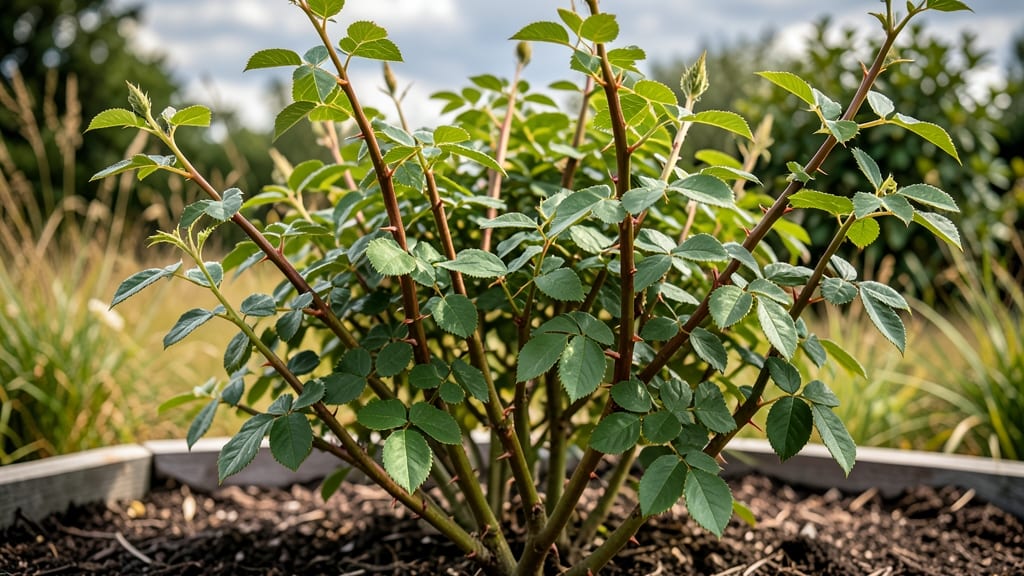
Your rose bush without roses isn’t a lost cause—it’s a sign your plant needs a reset. 🌹 I’ve nursed back more than a dozen bushes that looked like bare sticks, and the secret lies in pruning, sunlight, and feeding them what they truly need.
The most common culprits? Pruning too late, cutting at the wrong spots, or over-fertilizing with nitrogen-heavy mixes. Roses need phosphorus for blooms, not just leafy growth, and they’ll sulk in shade or with crowded canes.
Start by examining your bush’s structure—if it’s leggy or bare, it’s time to sharpen your pruners. You’ll see new buds forming within 2-3 weeks of proper pruning, with the first flush of blooms arriving in 4-6 weeks.
The key is cutting at a 45-degree angle just above an outward-facing bud, and feeding with a balanced rose fertilizer (10-10-10 or 5-10-10) for the right nutrient push. This works for hybrid teas, floribundas, and even old garden roses. Let’s get those canes blooming again!
Root Causes Of Bare Rose Bushes
A thriving rose bush without a single bloom can feel like a gardener’s worst nightmare—but understanding the why behind the problem is the first step to fixing it. Below, we break down the most common culprits, backed by science, so you can diagnose your bush’s struggles and take targeted action.
Cold stress is a silent killer of rose buds, especially in hybrid teas and grandifloras. When temperatures dip below 20°F (-7°C), rose canes can suffer cold damage, causing buds to blacken or fail to open.
Even if the plant survives, the energy it expends on repairing frost damage diverts resources away from flowering.
Why it happens:
- Bud freeze: Rose buds are particularly vulnerable because they form in late summer/early fall. If they’re exposed to rapid temperature swings (e.g., daytime thaw followed by a hard freeze), they can’t harden off properly.
- Moisture buildup: Wet buds freeze faster. Overhead watering before winter or poor airflow around the bush traps moisture, creating ice crystals that rupture cell walls.
- Improper mulching: Too little mulch leaves roots exposed to freezing temps, while too much (especially organic mulch piled against the stem) can suffocate the plant and trap heat, confusing it into thinking it’s spring.
Actionable fix:
- Wait to prune: Never prune in late fall—wait until late winter or early spring (when buds are still dormant but frost risk has passed).
- Use rose cones or burlap wraps to shield canes from wind and cold. Add 4–6 inches of straw or shredded leaves over roots, but keep it 2–3 inches away from the stem to prevent rot.
- Choose cold-hardy varieties like Knock Out® roses or Dr. Huey if your climate has harsh winters.
Pruning is essential, but cutting at the wrong time or too aggressively can strip a rose bush of its flowering potential. Roses bloom on new wood (current season’s growth) and old wood (last year’s canes), depending on the type.
If you prune back too late or remove too many healthy canes, you’re essentially telling the plant, “No flowers this year.”
Why it happens:
- Late pruning: If you prune after buds swell (typically March–April, depending on climate), you’re snipping off potential blooms before they even form.
- Over-thinning: Removing more than 1/3 of the bush’s canes in one go starves the plant of energy reserves needed for bud formation.
- Top-heavy cuts: Leaving stubs or cutting too close to the bud (within 1/4 inch) creates weak growth that struggles to support flowers.
Actionable fix:
- Prune in early spring (when forsythia blooms signal the right time) or right after flowering for repeat-bloomers.
- Follow the “5-bud rule” for hybrid teas: Leave 3–5 strong buds per cane to ensure enough energy for blooms.
- Avoid “lion’s tailing” (cutting all canes to a single bud)—this forces the bush to regrow from scratch, delaying flowering by 4–6 weeks.
Roses are thirsty but hate soggy feet. Water stress—whether from drought or overwatering—disrupts the plant’s ability to produce flowers by interfering with photosynthesis, nutrient uptake, and hormone signals that trigger bud formation.
Why it happens:
- Underwatering: Roses need 1–2 inches of water per week (more in heatwaves). When soil dries out, the plant conserves energy by prioritizing root and leaf growth over flowers.
- Overwatering: Compacted, waterlogged soil starves roots of oxygen, leading to root rot (Phytophthora fungus). A stressed root system can’t support blooms.
- Inconsistent watering: Fluctuating moisture levels confuse the plant, causing bud blast (buds drop before opening) or blind shoots (growth without flowers).
Actionable fix:
- Deep water 2–3 times per week (early morning) rather than daily shallow watering. Use a soaker hose to deliver water at the base.
- Improve drainage by amending soil with compost or perlite and planting roses on a slight mound to prevent pooling.
- Mulch properly: Use 2–3 inches of organic mulch (like wood chips) to retain moisture and regulate soil temperature—but never pile it against the stem.
Roses are heavy feeders, but wrong nutrients in the wrong amounts can lead to lush foliage and zero flowers. The key is balancing nitrogen (N), phosphorus (P), and potassium (K)—plus micronutrients like magnesium and calcium.
Why it happens:
- Too much nitrogen (N): A leafy but flowerless rose is often a sign of over-fertilizing with lawn fertilizer (which is high in N). Excess N promotes vegetative growth at the expense of blooms.
- Phosphorus deficiency (P): This nutrient is critical for root development and flower formation. If soil tests show low P (<30 ppm), buds may form but fail to open.
- Potassium (K) starvation: K helps stress resistance and bud formation. Yellowing leaf edges or weak stems signal a deficiency, which directly impacts flowering.
Actionable fix:
- Use a balanced rose fertilizer (e.g., 10-10-10 or 5-10-5) in early spring and mid-summer. Avoid high-N fertilizers like 12-6-6.
- Add bone meal (3-4-0) in early spring to boost phosphorus for bud initiation.
- Test your soil (pH 6.0–6.5 is ideal). If pH is off, lime (to raise pH) or sulfur (to lower pH) may be needed to unlock nutrient availability.
Hidden invaders like Japanese beetles, spider mites, black spot fungus, or rose rosette virus drain a rose bush’s vitality, leaving it too weak to produce flowers. Even if the damage isn’t visible, the plant redirects energy to recovery instead of blooming.
Why it happens:
- Japanese beetles: These pests skeletonize leaves, reducing the plant’s ability to photosynthesize (up to 50% less energy for flowers).
- **Black spot (Diplocarpon rosae): This fungal disease causes yellow spots and defoliation, forcing the plant to regrow leaves instead of buds.
- Rose rosette virus (RRV): Spread by errant mites, this disease causes witches’ broom (dense, thorny growth) and stunted blooms. Infected plants rarely flower and often die within a year.
Actionable fix:
- Monitor for pests daily during peak season (use neem oil or pyrethrin spray for beetles/mites).
- Remove infected leaves immediately (don’t compost!) and sterilize pruners with 70% isopropyl alcohol to prevent spread.
- Plant resistant varieties** (e.g., Knock Out® roses for RRV resistance) and avoid overhead watering to reduce fungal spores.
Not all roses are created equal—and some simply don’t bloom well in your climate or location. Even the right variety can fail if planted in poor light, windy spots, or competitive root zones.
Why it happens:
- Shade-loving varieties in full sun: Roses like David Austin English roses need 6+ hours of sun, but some climbers (e.g., Rosa ‘New Dawn’) tolerate partial shade. If a bush isn’t getting enough light, it won’t flower.
- Wind exposure: Roses hate wind, which dries out buds and prevents pollination. Even if buds form, they may abort before opening.
- Competitive neighbors: Planting roses too close to trees or aggressive perennials (like mint or bamboo) starves them of water and nutrients.
Actionable fix:
- Choose roses matched to your USDA zone (e.g., *Dr.
Revive Your Rose Bush Naturally
A rose bush without blooms can feel like a garden mystery, but the good news is that most causes have simple, effective fixes. Below, we’ve mapped out practical solutions for each common issue—plus prevention tips to keep your roses thriving year-round.
Let’s get your bush back to its glorious, fragrant self!
Fix: Roses need balance—too much pruning (especially in late summer or fall) can shock the plant and delay blooms. Here’s how to correct it:
- 🔥 Prune at the Right Time - Spring (late winter/early spring): This is the golden window for pruning. Cut back 1/3 of the plant’s height, removing dead, crossing, or weak stems.
Aim for outward-facing buds (about ¼ inch above a healthy bud) to encourage airflow and blooms. - Avoid summer pruning unless removing spent blooms (deadheading). Heavy cuts now can stunt fall/winter growth.
- 🍳 Feed for a Blooming Boost - After pruning, apply a balanced rose fertilizer (10-10-10 or organic options like fish emulsion).
For extra vigor, mix in Epsom salt (1 tablespoon per gallon of water) to correct magnesium deficiency. - Pro tip: 💡 Use a slow-release fertilizer in early spring to avoid nutrient spikes that can burn roots.
- 👨🍳 Mulch Like a Pro
- Spread 2–3 inches of organic mulch (wood chips, straw) around the base (but not touching the stem). This retains moisture, regulates soil temp, and encourages root growth—key for rebound blooms.
Prevention: ✔ Mark pruning season on your calendar (late winter/early spring). ✔ Deadhead regularly (remove spent blooms) to redirect energy to new flowers.
Fix: Roses are dramatic—they will protest if conditions aren’t perfect. Adjust these factors to coax them back to life:
| Issue | Solution | Prevention Tip |
|---|---|---|
| 🌞 Too Much Sun | Move to partial shade (4–6 hours of sunlight) if leaves scorch. | Plant in a west-facing spot for gentle afternoon shade. |
| 🌧️ Over/Under Watering | Water deeply 1–2x/week (1 inch total). Check soil moisture—it should feel like a damp sponge. | Install drip irrigation to avoid uneven watering. |
| 🍂 Poor Soil | Amend soil with compost and sand (for drainage) or use container mixes. | Test soil pH (roses love 6.0–6.5). Add lime if acidic. |
Extra Care for Containers: 🔥 Repot if roots are circling (spring is best). Use a well-draining mix with perlite.
Fix: Pests and diseases sap energy, leading to weak growth and no flowers. Act fast with these fixes:
- 🔪 Prune Infected Areas
- Cut out blackened, yellow, or moldy stems with sterilized shears (wipe with rubbing alcohol). Dispose of clippings in the trash (not compost).
- 🌡️ Treat Pests Naturally
- Aphids/Spider Mites: Spray with neem oil or insecticidal soap (repeat every 5–7 days).
- Japanese Beetles: Handpick early morning or use milky spore powder (organic bacteria that targets grubs).
- Fungal Issues (powdery mildew): Apply baking soda spray (1 tsp baking soda + 1 quart water + few drops of soap) weekly.
- 🎯 Boost Immunity
- Strengthen your rose with compost tea or kelp meal (spray foliage or work into soil). These provide trace minerals that repel pests naturally.
Prevention: ✔ Inspect leaves weekly for early signs of pests/disease. ✔ Space plants 3–4 feet apart for airflow (reduces humidity-related fungi).
Fix: Older roses or certain varieties (like shrub roses) may need a reset or replacement:
- 🔄 Rejuvenate Old Bushes
- Hard prune in late winter: Cut half the canes to the ground. This forces new, vigorous growth from the base.
- Divide large clumps if overcrowded (spring or fall). Separate roots gently and replant sections.
- 🌸 Pick the Right Rose for Your Zone
- Cold climates? Try David Austin English roses or Knock Out roses (hardy and prolific).
- Hot/dry areas? Opt for climbing roses (like ‘New Dawn’) or drought-tolerant varieties (e.g., ‘The Fairy’).
Prevention: ✔ Research rose varieties before planting—match them to your USDA zone and sunlight. ✔ Replace non-performers after 3–4 years (some roses naturally decline).
Fix: Some roses bloom once (spring) or repeatedly (summer/fall). If yours is a spring bloomer, expect fewer flowers later unless you take action:
- 🌼 Encourage Reblooming
- Fertilize in early summer with a high-phosphorus formula (e.g., 5-10-5) to promote flower buds.
- Deadhead aggressively after the first flush to stimulate second blooms.
- Choose reblooming varieties (e.g., ‘Bonica’, ‘Double Delight’) if you want year-round color.
- 🌿 Extend the Season
- Mulch heavily in fall to protect roots from winter chill (which can weaken spring growth).
- Water deeply before freeze to prevent drought stress.
Prevention: ✔ Plant hybrid teas or floribundas if you want multiple bloom cycles. ✔ Avoid heavy nitrogen in late summer—it encourages leaves, not flowers.
Frequently asked questions
Why does my rose bush have leaves but no flowers?
Over-fertilizing with nitrogen-heavy products (like lawn fertilizer) causes lush foliage but no blooms. Roses need a balanced fertilizer (like 10-10-10) with phosphorus to encourage flowers. Also check if you're pruning too late—cutting after buds form removes potential blooms.
Can I still get flowers if I prune my rose bush now?
It depends on your climate! For spring-blooming varieties, prune in late winter/early spring to see flowers by summer. If you prune now (late summer/fall), you'll delay blooming until next year. Always cut at a 45-degree angle just above an outward-facing bud.
How much sunlight do roses really need?
Most roses thrive with 6-8 hours of direct sunlight daily. Too little light means fewer blooms, while too much can scorch leaves. If your bush isn't flowering, try moving it to a sunnier spot—just avoid harsh afternoon sun in hot climates.
What should I do if my rose bush has no buds at all?
Check for hidden pests (like spider mites) or diseases (black spot fungus). Apply neem oil and remove infected leaves immediately. Also verify your fertilizer—too much nitrogen creates leafy growth but no flowers. Switch to a bloom-boosting formula (5-10-5) and deadhead regularly.
Is it too late to save my rose bush for next year?
Never! Even if it's completely bare now, proper winter care can revive it. Mulch heavily (2-3 inches), water deeply before freeze, and prune in late winter. Cold-hardy varieties like Knock Out roses often bounce back spectacularly with just these adjustments.