
Light Requirements
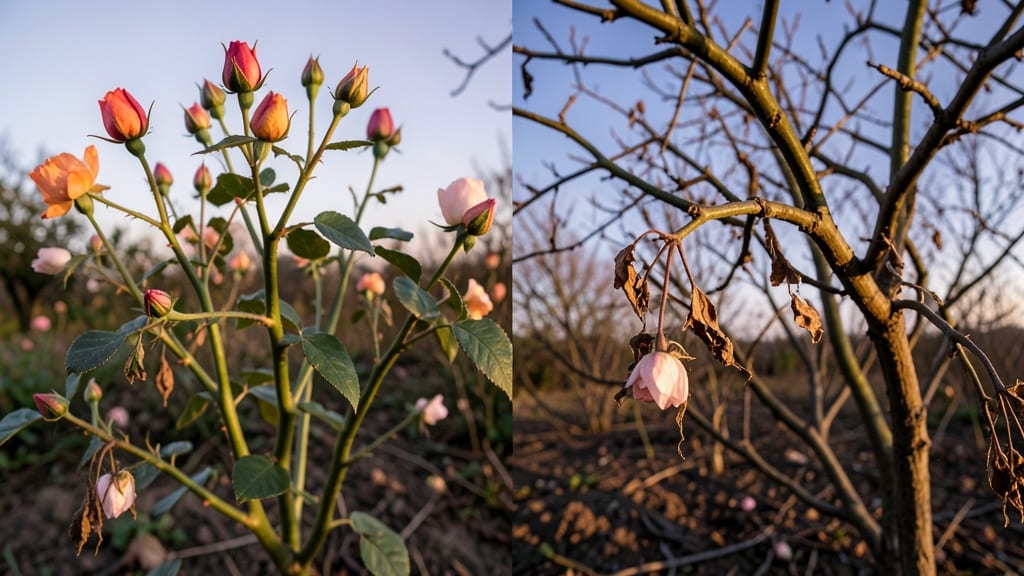
Sunlight is the lifeblood of roses, but not all varieties thrive under the same conditions. These 10 precise sunlight requirements—tailored by USDA hardiness zones—will help you maximize blooms and plant health, whether you're in a scorching desert or a cool coastal climate.
Full Sun Roses for Zone 7-10
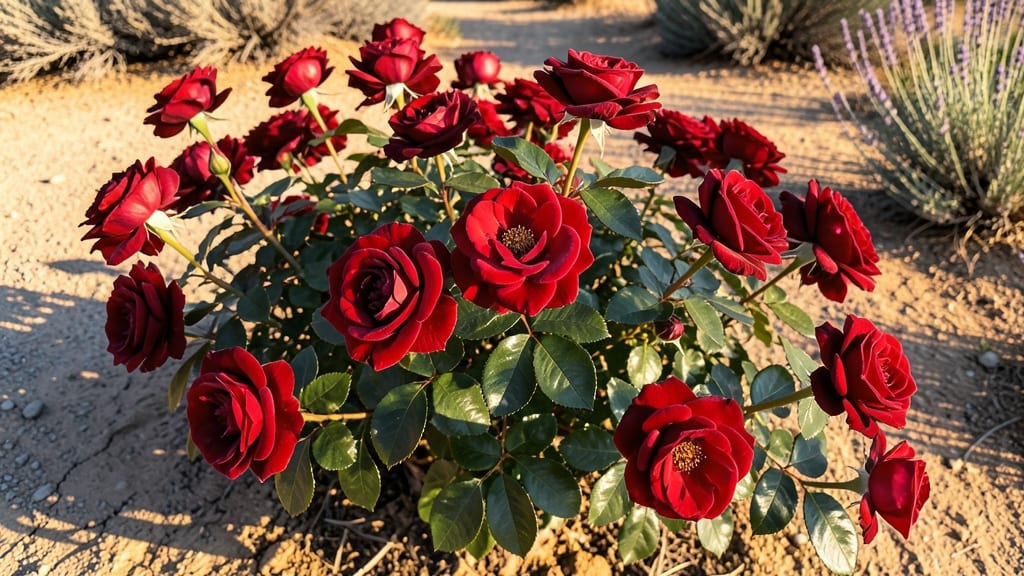
If you live in Zone 7-10—think Southern California’s coastal gardens or Texas’s sunbaked landscapes—hybrid tea roses and floribundas are your best bet for bold, repeat blooms. These varieties crave 6-8+ hours of direct sun daily, but the key is avoiding midday heat stress while keeping foliage lush and blooms vibrant.
Start by planting your roses where they’ll receive morning sun (to kickstart growth) and filtered afternoon light (to prevent wilting). Mulch heavily with 3-4 inches of organic matter to retain moisture and shield roots from extreme heat. For extra protection in peak summer, use lightweight shade cloth (30%) during the hottest hours—this keeps blooms intact without sacrificing sunlight entirely.
Gardeners in these zones will love how hybrid teas deliver show-stopping, long-stemmed blooms perfect for cut arrangements, while floribundas offer clusters of cheerful blooms that attract pollinators. With the right sun balance, you’ll enjoy year-round blooms—even in desert climates. 🌻
Partial Sun Tolerance for Zone 5-6
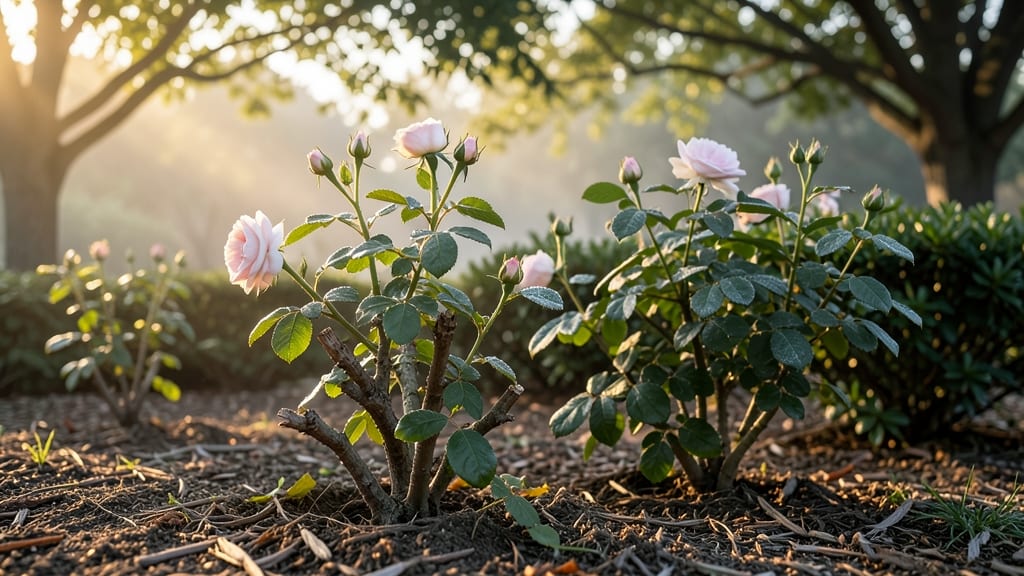
If you're gardening in Zone 5-6 and think roses need full sun to thrive, think again—cold-hardy varieties like rugosa and shrub roses actually prefer a gentler touch. These resilient beauties flourish with just 4-6 hours of morning sun, paired with afternoon shade, making them perfect for Northern climates where harsh winter winds and late frosts can damage tender plants.
Position them near deciduous trees or on the east side of your home to capture gentle morning rays while shielding them from intense afternoon heat. This balance helps prevent winter damage and extends the bloom season by avoiding stress from late frosts. Plus, their disease-resistant foliage makes them low-maintenance stars for cooler regions.
For gardeners in colder zones, this strategy means fewer wilted canes and more vibrant blooms—ideal for those who love roses but struggle with extreme weather. 🌿
Morning Sun Strategy for Zone 8-9
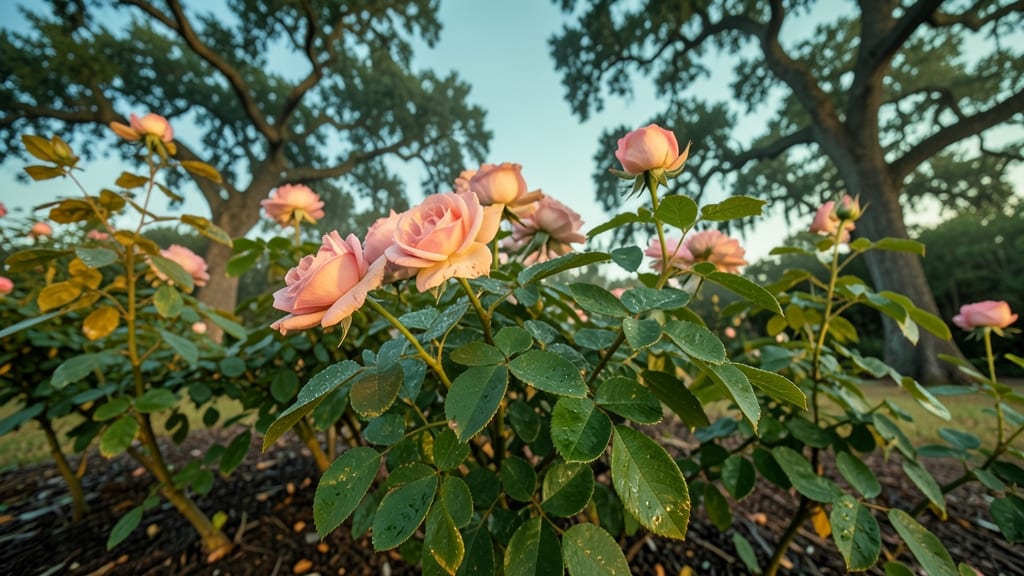
In humid climates like Florida or Louisiana, roses face a unique challenge: too much afternoon sun can turn their lush foliage into a fungal buffet. The solution? A morning sun strategy that keeps blooms abundant while minimizing black spot and powdery mildew risks.
Give your roses 4-6 hours of morning sunlight—the cooler, drier air helps leaves dry quickly after dew evaporates. Then, provide light afternoon shade (30-50% coverage) using lattice screens or tall plants to block intense midday rays. Varieties like Knock Out roses or Dr. Huey thrive under this routine, producing bold blooms without the stress of prolonged humidity.
This approach is ideal for gardeners in Zone 8-9 who want disease-resistant roses without sacrificing color. Just monitor leaf moisture—if foliage stays damp past midday, extend the shade period. 💚
Afternoon Sun Adaptation for Zone 4
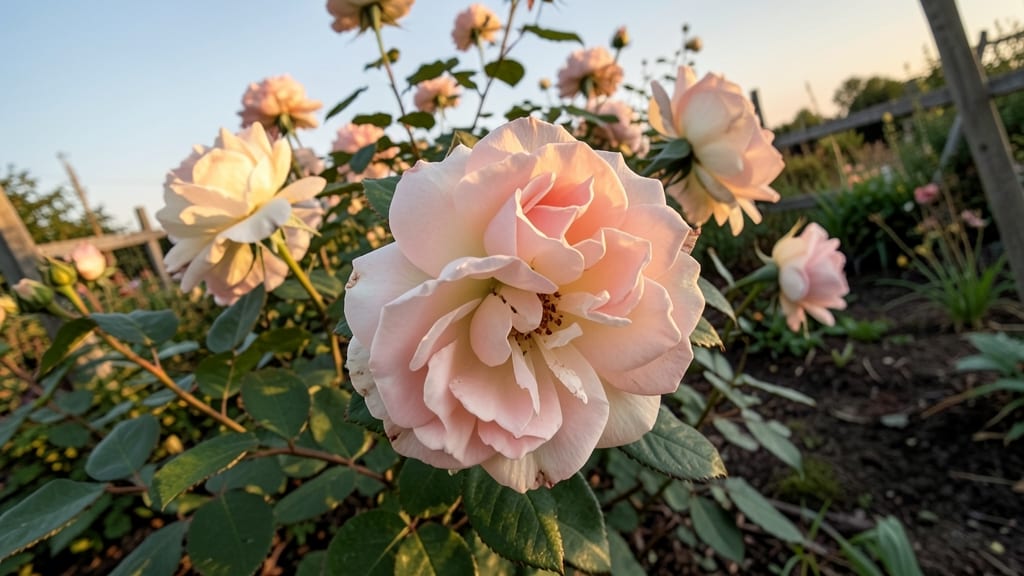
Zone 4 gardeners can finally grow David Austin roses without fear of scorched blooms—by embracing afternoon sun adaptation. These fragrant, heirloom-style roses thrive with just 4-5 hours of gentle afternoon light, avoiding the brutal midday rays that wilt tender petals in colder climates.
Position your roses on the west or southwest side of structures, where dappled light creates a cooler microclimate. Mulch heavily with straw or wood chips to insulate roots from temperature swings, and water deeply in the early morning to reduce afternoon evaporation. This strategy extends the bloom season by 3-4 weeks compared to full-sun plantings.
Perfect for small-space gardeners or those with limited sunny areas, this method lets you enjoy romantic, repeat-blooming roses like 'Gertrude Jekyll' or 'Abraham Darby' without the maintenance headaches of high-sun varieties. 🌷
Container Roses Sunlight Needs
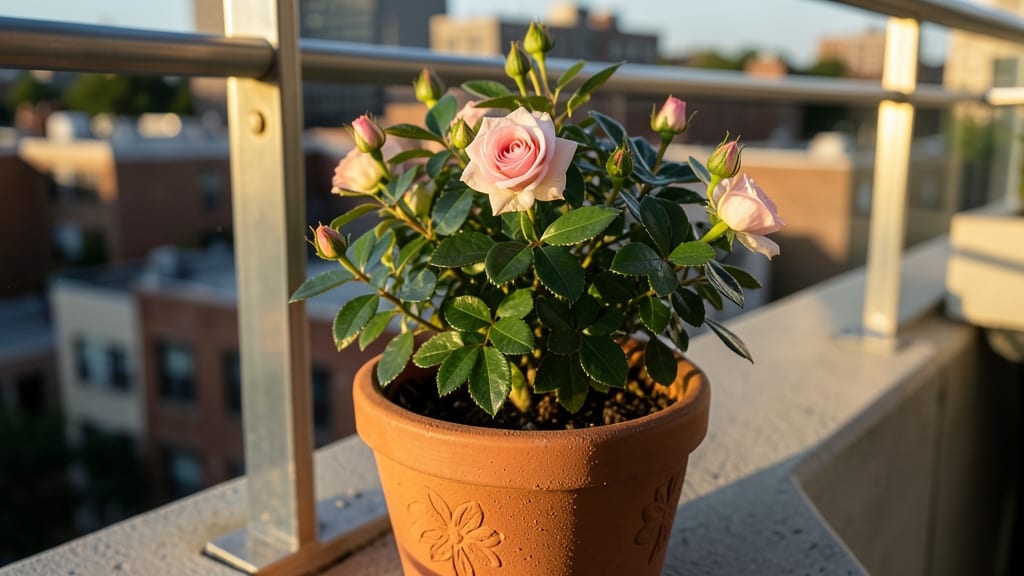
If you're dreaming of fragrant roses but lack yard space, container roses are your perfect solution—just position them right! These potted beauties thrive with 5-7 hours of direct sun daily, making them ideal for balconies, patios, or rooftop gardens in urban areas like NYC or Chicago.
Choose dwarf or patio rose varieties like 'Bonica' or 'Knock Out' for smaller pots, and water daily during hot weather to prevent soil from drying out. Elevate pots slightly off the ground to improve drainage, and use lightweight, well-draining soil mixed with compost for optimal growth. Move containers to sunnier spots if blooms slow down.
Perfect for renters or small-space gardeners, container roses bring the same beauty as in-ground varieties without the commitment. With the right sunlight and care, you’ll enjoy season-long blooms—even in tight quarters! 🌻
Shade-Tolerant Roses for Zone 3
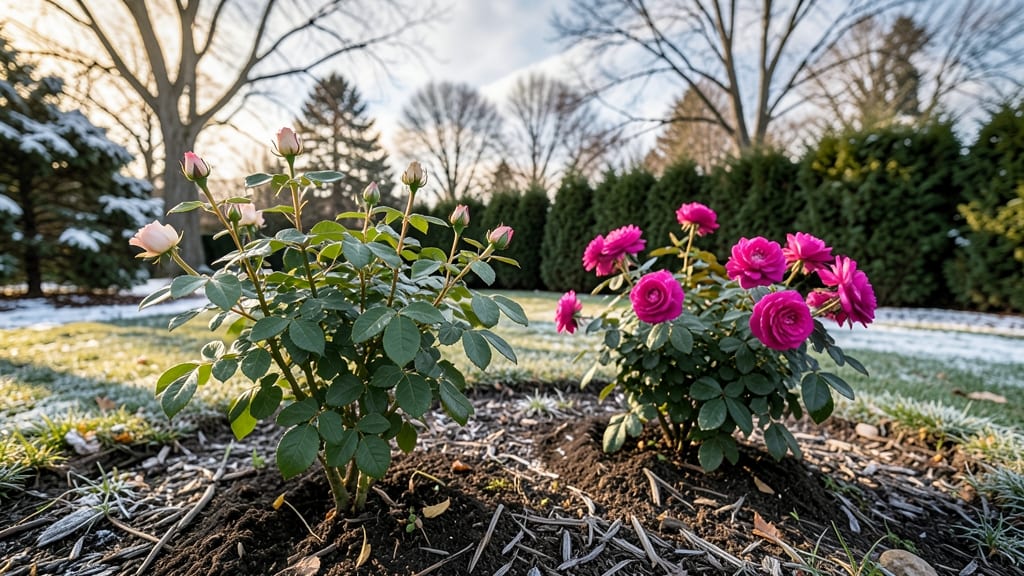
If you live in Zone 3 where winter lasts half the year, don’t assume roses can’t thrive in your garden—just choose the right varieties. Shade-tolerant roses like 'John Cabot' and 'Knock Out' bloom reliably with just 3-4 hours of sun, making them perfect for northern yards with limited sunlight.
These hardy roses adapt to cooler climates by focusing energy on root development during short days, then rebounding with vibrant blooms when temperatures rise. Plant them near evergreens or north-facing walls to maximize natural shade while protecting them from harsh winds. Mulch heavily in fall to insulate roots during brutal winters—these roses reward patience with year-round interest and minimal fuss. 🌱
High-Desert Rose Sun Exposure
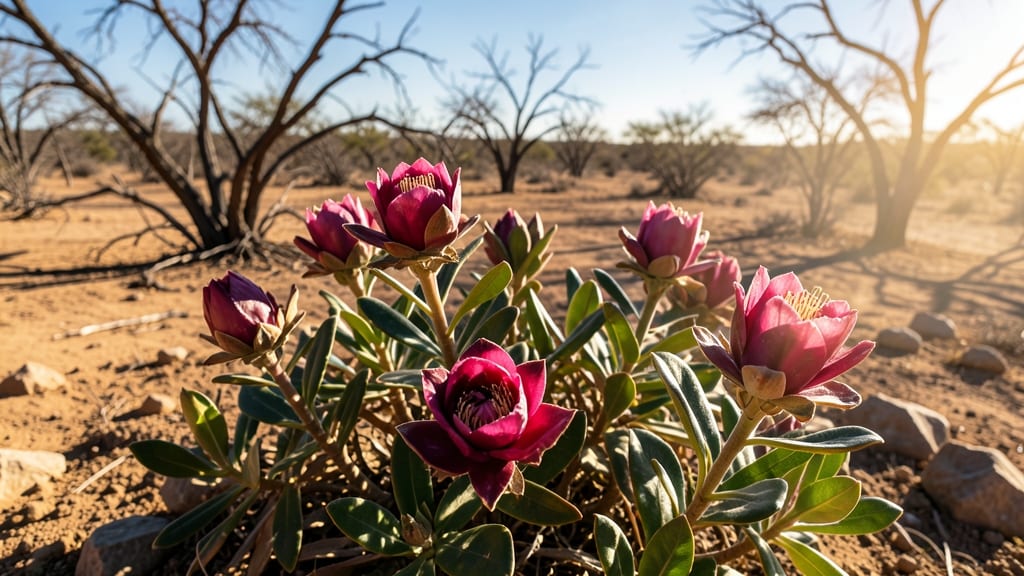
In the scorching heat of the high desert, roses aren’t just possible—they can thrive with the right sunlight strategy. Unlike their coastal or northern counterparts, desert roses like 'The Fairy' need a smart balance of sun exposure to avoid moisture loss and heat stress.
Provide 6-8 hours of sunlight daily, but shield them from the intense afternoon sun (1-4 PM) to prevent wilting. Desert roses develop deep root systems to access water, so mulch heavily with organic material to retain moisture. Varieties like 'The Fairy' are bred for drought tolerance, producing vibrant blooms even in arid conditions.
This approach works perfectly for gardeners in Arizona, New Mexico, or Nevada, where water conservation is key. With the right sunlight balance, your desert roses will reward you with long-lasting blooms and minimal fuss. 🌻
Greenhouse Roses Light Requirements
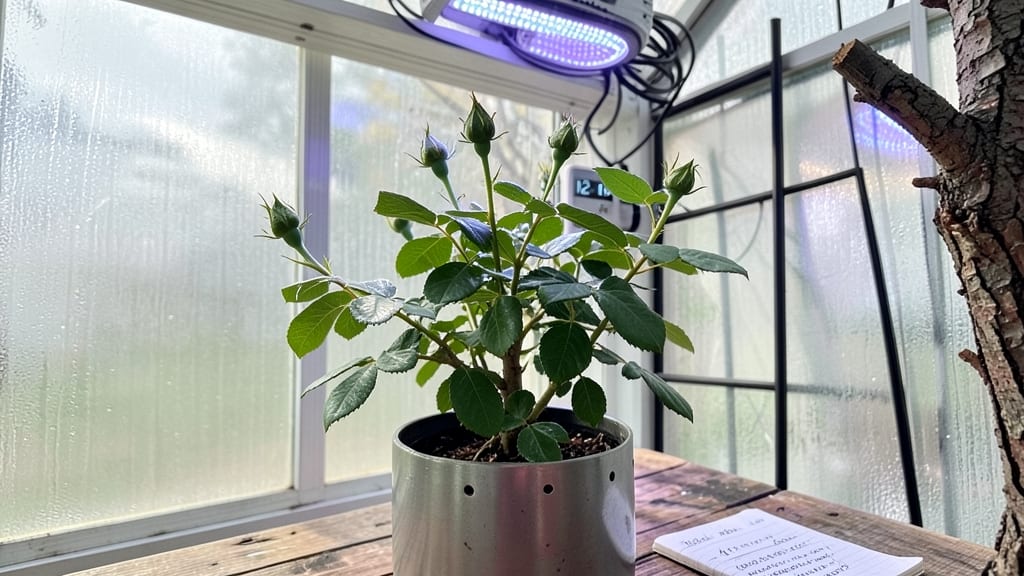
Want to grow roses indoors or in a greenhouse but worried about light? Greenhouse roses thrive with just 4-6 hours of indirect sunlight daily, making them perfect for urban apartments or cloudy climates where outdoor growing is tricky.
Supplement with LED grow lights (12-16 hours/day) to mimic natural light cycles, especially in winter. Varieties like spray roses or miniature roses adapt best to controlled environments, producing year-round blooms without seasonal breaks. Place them near a south-facing window or under full-spectrum bulbs for optimal growth.
This setup is ideal for urban gardeners or those in high-rise buildings, turning small spaces into fragrant rose havens. 🌱
Climbing Roses Sunlight Balance
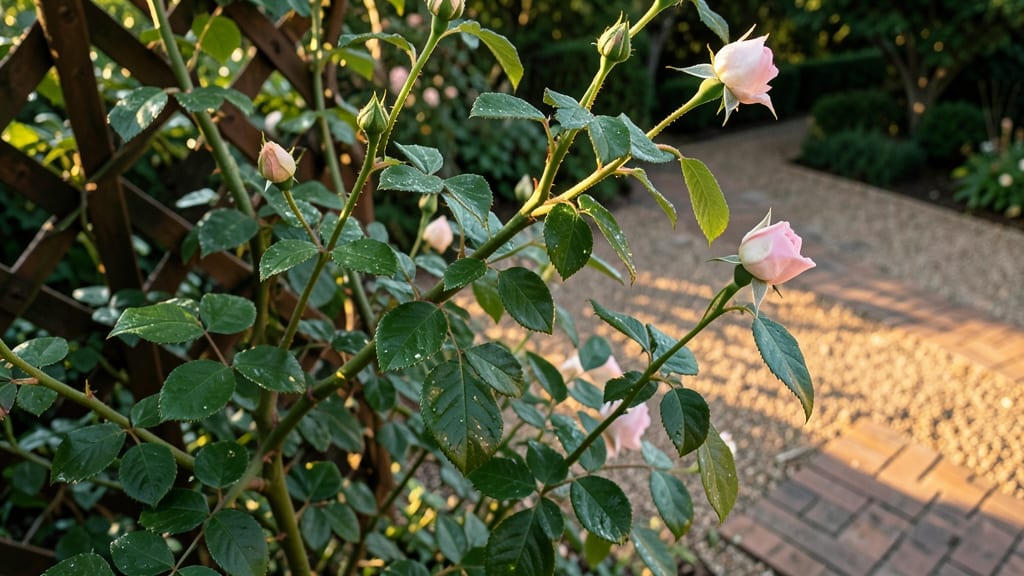
Want to grow climbing roses like 'New Dawn' without risking leaf scorch? These dramatic vines need 6+ hours of sun daily but thrive with strategic afternoon shade—especially in hot climates. The key is positioning them where morning and early afternoon light fuels blooms while afternoon shade cools the foliage.
Plant your trellis along a sunny fence or wall where the structure naturally provides afternoon shade. For example, place the trellis on the north or east side of a building in the Northern Hemisphere. Water deeply in the morning to help roots absorb moisture before the heat peaks, and mulch heavily to retain soil moisture.
This balance is perfect for urban gardeners with limited space or those in Zone 6-9, where afternoon sun can turn leaves crispy. With the right placement, you'll enjoy year-round blooms without the stress of sunburn. 🌻
Seasonal Sun Adjustments for Roses

If your roses bloom beautifully in spring but struggle in summer, you’re not alone—transitional zones like Zone 7b demand a flexible approach to sunlight. Unlike roses in extreme climates, these plants need a dynamic strategy to thrive year-round, adapting to both winter dormancy and summer heat.
Start by providing extra sunlight in winter (6-8 hours) to support dormancy and bud formation. As temperatures rise, shift to morning sun only (4-5 hours) in summer, using shade cloth or nearby trees to block harsh afternoon rays. Varieties like 'Dr. Huey' or 'Knock Out' handle this adjustment well, producing consistent blooms without stress. Prune nearby branches strategically to fine-tune light exposure as seasons change.
This method is perfect for gardeners in mild but unpredictable climates, where summer heat waves or early frosts can disrupt blooming cycles. With seasonal tweaks, you’ll keep your roses happy—and blooming—throughout the year. 🌻