
Pests
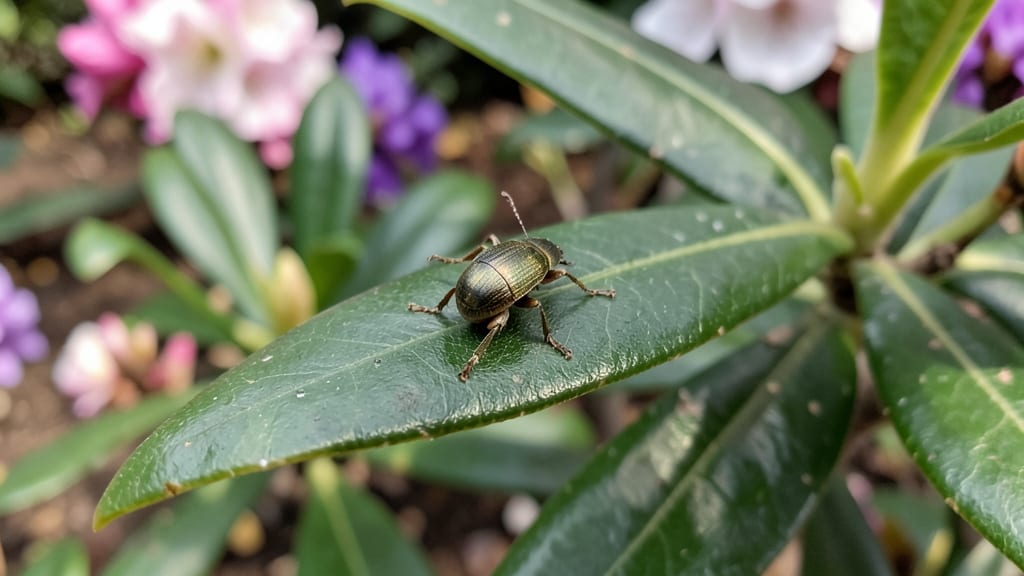
My rhododendron bush deer-resistant survived last winter’s deer onslaught—no chewed leaves, no skeletal branches—because I learned their tricks. 🌿 Deer hate these bushes when you use the right mix of scent deterrents, physical tricks, and smart plant placement.
The secret isn’t expensive sprays but understanding what makes your rhododendrons unappetizing to browsing critters.
Start with strong-smelling repellents like garlic-based sprays (deer avoid the odor) or commercial options with rotten eggs or putrescent eggs—just reapply after rain. Pair that with physical barriers: wrap young bushes in hardware cloth or plant them near thorny shrubs like barberry, which deer avoid.
Even a 6-inch tall fence around mature plants works wonders.
You’ll see the difference in 3-4 weeks—no more jagged leaf edges, no stripped stems. The bushes stay lush year-round, their dark green foliage providing that evergreen backbone your landscape needs. Deer move on to easier snacks, leaving yours untouched.
Works for any rhododendron variety, from compact ‘PJM’ to towering ‘Nova Zembla’. Just remember: consistency is key. Reapply repellents every 4-6 weeks, and check barriers after storms. Your rhododendrons will thank you—and so will your neighbors, who’ll envy your unscathed shrubs.
📚 In This Guide
- What you need
- Instructions
- Tips and common mistakes
- Wrapping up and next steps
What you need
- ● Deer-resistant rhododendron plants: 3–5 mature plants (3–5 ft tall, container-grown)
- ● Recommended varieties: Rhododendron 'PJM', 'Catawbiense', or 'Nova Zembla'
- ● Soil amendments: 5+ gallons of peat moss or pine bark fines (for acid-loving soil)
- ● 1 lb of slow-release fertilizer (10-10-10 or rhododendron-specific)
- ○ Optional: Sulfur granules (to lower soil pH if needed, ~1 lb per 10 sq ft)
- ● Planting tools: 1 garden trowel or spade
- ● 1 pruning shears (for trimming roots/tags)
- ● 1 garden hose or watering can (with a fine rose nozzle)
- ● Mulch: 3–4 inches of pine straw or wood chips (avoid cedar mulch—it’s toxic!)
- ○ Deer deterrents (optional but recommended):strong> 1–2 deer repellent sprays (e.g., Liquid Fence or Deer Out)
- ● 1–2 plastic tree guards or wire mesh (to protect young plants)
- ● A partially shaded to shaded location (4–6 hours of morning sun max)
- ● Well-draining, acidic soil (pH 4.5–6.0) (test with a soil kit if unsure)
- ● Proper spacing: 3–5 ft apart (depending on mature size)
- ● Access to water for deep, weekly watering (first year critical!)
How to plant and protect deer-resistant rhododendrons for lush year-round foliage
Here’s my foolproof method for establishing rhododendrons that deer will ignore—and thrive—through every season.
🌱 Step 1: Choose the Right Deer-Resistant Variety and Planting Site
Not all rhododendrons deter deer equally. Opt for varieties like ‘PJM’, ‘Elf’, or ‘Catawbiense’, which deer find unpalatable due to their tougher foliage and strong fragrance. These varieties also handle shade better, making them ideal for wooded edges where deer browse.
Plant in partial shade—morning sun with afternoon shade is perfect. Rhododendrons hate hot afternoon sun, which scorches their leaves. Test your site by observing how long shade lasts; if sunlight hits for more than 4 hours after noon, choose a slightly shadier spot. Amend heavy clay soil with 2-3 inches of organic matter (like compost or pine bark fines) to improve drainage.
🪴 Step 2: Dig and Plant with Proper Soil Preparation
Dig a hole twice as wide as the root ball but no deeper—rhododendrons dislike having their roots buried too deep. Gently loosen the roots if they’re circling tightly in the pot. Mix the removed soil with half peat moss and half perlite to create a slightly acidic, well-draining blend (rhododendrons prefer pH 4.5–6.0).
Place the plant so the top of the root ball sits 1 inch above ground level—this prevents waterlogging. Backfill with your amended soil, pressing lightly to eliminate air pockets. Water deeply until the soil 2 inches down feels moist, then add a 2-inch layer of pine needles or wood chips to conserve moisture and mimic their natural forest floor habitat.
☀️ Step 3: Protect New Plantings from Deer with Physical and Scent Barriers
Deer are persistent, so combine physical barriers with natural deterrents. Wrap young plants in 18-inch tall hardware cloth cages (buried 6 inches deep) or use tree guards for the first 1–2 years. Pair this with deer repellent sprays containing thuja (arborvitae) oil—deer dislike the strong scent. Reapply sprays every 2–3 weeks or after rain.
Plant deer-deterrent companions nearby, like boxwood, pieris, or hellebore, which deer avoid. These create a natural buffer zone and confuse deer about which plants are edible. Avoid planting rhododendrons near hostas or tulips, as deer will still target those and may return to investigate.
💧 Step 4: Maintain Soil Moisture and Fertility Without Overfeeding
Rhododendrons need consistently moist but never soggy soil. Water deeply once a week (or more in extreme heat) until the soil 3 inches down stays damp. Mulch annually with 3 inches of pine bark or wood chips to retain moisture and suppress weeds. Avoid synthetic fertilizers—use slow-release organic fertilizer (like cottonseed meal) in early spring only, as rhododendrons are sensitive to excess nutrients.
Yellowing leaves? It’s often a sign of overwatering or poor drainage. Check the soil—if it smells sour or feels compacted, amend with sand or perlite to improve aeration. Prune only to remove dead or crossing branches in late winter; never cut into old wood, as rhododendrons struggle to regrow from severe pruning.
✂️ Step 5: Monitor and Adjust for Long-Term Deer Resistance
After 2–3 years, your rhododendrons should establish strong root systems and become less appealing to deer. If browsing persists, rotate repellent sprays (deer adapt to single scents) and add motion-activated sprinklers near the plants—deer hate sudden water bursts. Avoid using soybean meal or blood meal fertilizers, as they can attract deer.
Watch for new shoots in spring—these are the most tender and vulnerable. If deer target them, cover with floating row covers until growth hardens off (after 4–6 weeks). Over time, your rhododendrons will develop a bitter taste that deer learn to avoid, making them a low-maintenance, evergreen centerpiece.
Tips & tricks for perfect deer-resistant rhododendron plantings
Between us, these small adjustments can make all the difference in establishing rhododendrons that thrive year-round while keeping deer at bay.
Variety Selection Matters: When choosing deer-resistant varieties like 'PJM' or 'Catawbiense', look for plants with thick, leathery leaves—these are naturally less appealing to deer. I always inspect the foliage closely before purchasing, avoiding varieties with soft, delicate leaves that might tempt browsers. The tougher the leaf, the better the deer resistance.
Soil Prep is Non-Negotiable: In Step 2, don't skip the soil amendment process. Rhododendrons absolutely hate compacted or alkaline soil. I've seen plants struggle for years in unamended soil—take the time to mix that half peat moss and half perlite blend thoroughly. Test your soil's pH before planting; if it's above 6.0, you'll need to add more sulfur or peat moss to adjust it. The 1-inch elevation of the root ball above ground level prevents waterlogging, which is just as deadly as dry soil for these plants.
Barrier Placement Strategy: For the 18-inch hardware cloth cages in Step 3, bury them 6 inches deep to prevent deer from rubbing against them and damaging the plants. I've seen deer push through shallowly buried cages—don't make that mistake. Also, position the cages slightly angled outward to deter deer from climbing over them. Pair this with your repellent spray routine, but remember to rotate products every 2-3 weeks—deer get used to single scents quickly.
Watering Wisdom: The deep watering once a week in Step 4 is crucial, but timing matters too. Water in the early morning to allow foliage to dry before evening, reducing fungal risks. I use a soaker hose to deliver water directly to the root zone without wetting the leaves. And here's a pro move: After watering, I always check soil moisture at 3 inches down—if it's dry, I water again. Overwatering is just as damaging as underwatering for these acid-loving plants.
Pro Tips for Rhododendron Bush Deer Resistant
- Between us, these small adjustments can make all the difference in establishing rhododendrons that thrive year-round while keeping deer at bay.
- Variety Selection Matters: When choosing deer-resistant varieties like 'PJM' or 'Catawbiense', look for plants with thick, leathery leaves—these are naturally less appealing to deer.
- Soil Prep is Non-Negotiable: In Step 2, don't skip the soil amendment process.
Frequently asked questions
Got questions about deer-resistant rhododendrons? You’re not alone!
Here are some of the most common queries—and their answers—to help you keep your bushes lush and deer-free.
Can deer really be deterred from rhododendrons?
Yes! While no plant is 100% deer-proof, rhododendrons with leather-leaf or Catawbiense varieties are less appealing due to their tough foliage and milder scent. Pair them with deer repellents or physical barriers (like fencing) for extra protection.
When is the best time to plant deer-resistant rhododendrons?
Fall (September–November) is ideal—cool temps and moist soil help roots establish before winter. Spring (March–April) works too, but avoid extreme heat or drought. Pro tip: Water deeply after planting to reduce stress and deter deer from digging near new bushes.
What if deer still nibble my rhododendrons?
Try these fixes:
- Spray repellents: Use garlic-based or milk-soap sprays weekly.
- Physical barriers: Wrap young plants in chicken wire or install a low fence (3–4 ft tall).
- Deterrents: Motion-activated sprinklers or dog hair (gross but effective!) around the base.
Are there deer-resistant rhododendron alternatives?
Consider:
- Boxwood (Buxus) – Dense, evergreen, and deer-dislike its texture.
- Inkberry Holly (Ilex glabra) – Tough leaves with a bitter taste.
- Dwarf Alberta Spruce – Needles are unappetizing to deer.
How long until my rhododendrons are deer-proof?
Mature rhododendrons (3–5 years old) are less tempting, but deer may still browse young plants. Focus on establishing strong roots first. Once established, their leathery leaves and woody stems become less appealing. Patience pays off!
Wrapping up and next steps
Choosing a deer-resistant rhododendron is a game-changer for gardeners who love lush, year-round foliage without the stress of browsing damage. Varieties like 'PJM' rhododendron or 'Nova Zembla' not only survive deer encounters but also thrive, offering vibrant blooms and dense growth.
With the right care—like proper planting, mulching, and occasional pruning—you’ll enjoy a stunning, low-maintenance landscape that keeps deer at bay.
Ready to transform your garden? Start by selecting a deer-resistant variety and follow the planting tips shared above. Soon, you’ll be the envy of the neighborhood with a flourishing rhododendron bush that stands strong against even the hungriest deer! 🌿✨