
Flowers
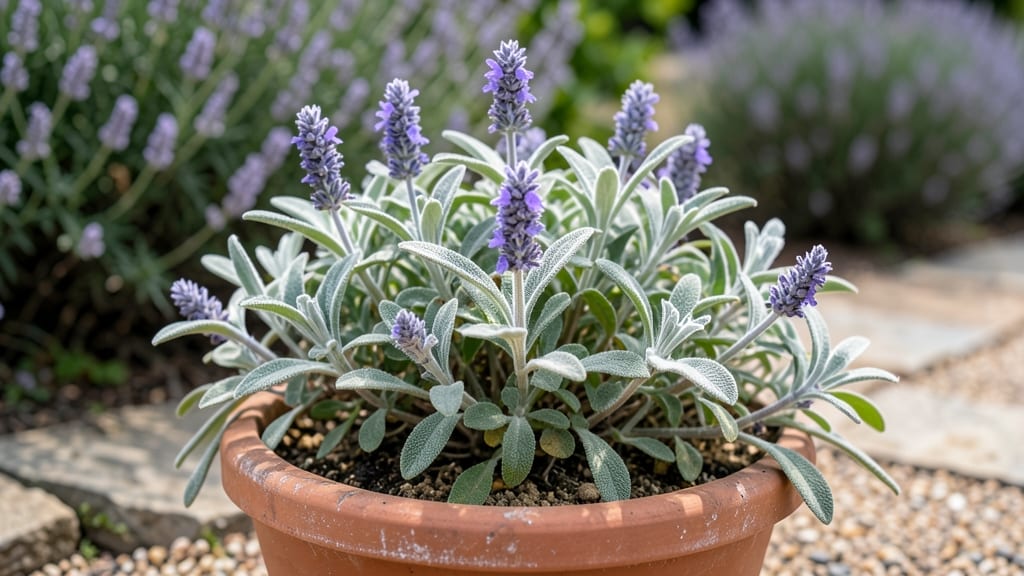
That purple flower sage bush in your garden isn’t just beautiful—it’s a fragrant workhorse that blooms from summer into frost with almost no fuss. 🌿 I’ve grown Salvia leucantha (the classic “velvety sage”) for years, and once established, it thrives on neglect while filling the air with a sweet, spicy scent that hummingbirds can’t resist.
The secret? It’s not about babying the plant—it’s about giving it the right conditions upfront.
This sage loves full sun (at least 6 hours daily) and well-draining soil—rocky or sandy works best, but even average garden soil will do if amended with compost. Water deeply but infrequently; let the top 2 inches dry out between soakings.
Overwatering is its only real enemy, so if your summers are hot and dry, mulch heavily to keep roots cool. Prune spent blooms in early spring to encourage fresh growth, and you’ll get nonstop purple spikes from June until first frost.
What you’ll end up with is a low-maintenance, pollinator-magnet that looks stunning in borders or containers. The foliage stays lush and aromatic even when not in bloom, and deer leave it alone. Best of all?
It self-seeds minimally, so you might get bonus plants popping up where you least expect them. The only real challenge is keeping it from spreading too much—though that’s easy with a sharp knife and a few minutes of pruning.
Perfect for sunny borders, cottage gardens, or even large containers. Once you’ve got one, you’ll wonder why you didn’t plant more years ago—it’s that reliable. Let’s get yours thriving!
📚 In This Guide
- What you need
- Instructions
- Tips and common mistakes
- Wrapping up and next steps
What you need
- ● Purple sage bush (Salvia leucantha) – 1 to 3 plants (check local nurseries or online seed suppliers).
- ● Well-draining potting mix – 10-15 lbs (for pots) or amend garden soil with compost (for in-ground planting).
- ○ Containers (optional but helpful) – 12-18 inch pots with drainage holes (if not planting directly in the ground).
- ● Garden gloves – 1 pair (to protect your hands from prickly stems).
- ● Pruning shears – 1 pair (for shaping and deadheading).
- ● Watering can or hose with a gentle spray nozzle – For even moisture distribution.
- ○ Mulch (optional but recommended) – 2-3 inches of organic mulch (like bark or straw) to retain moisture.
- ● Full sun exposure (6+ hours of direct sunlight daily).
- ● Well-draining soil (sandy or loamy soil works best).
- ● A warm, dry climate (USDA Zones 7-11; may need winter protection in colder zones).
- ● Test your soil’s pH – Aim for neutral to slightly alkaline (6.0-7.5) for optimal growth.
- ● Use a slow-release fertilizer – A balanced 10-10-10 or low-phosphorus option (like 5-10-5) in early spring.
- ● Choose a wind-protected spot – Sage bushes can get leggy in strong winds.
Step-by-Step instructions for planting and caring for a purple flower sage bush
Here’s how to establish a fragrant, low-maintenance purple sage bush that blooms reliably year after year.
🌱 Step 1: Choose the Perfect Planting Location
Purple flower sage (Salvia leucantha) thrives in full sun—at least 6-8 hours daily—so pick a spot with southern or western exposure. I always test the area first by observing how other plants grow there; if they’re struggling, it’s not the right spot. The soil should drain well—sage hates soggy roots, so avoid low-lying areas where water pools.
Dig a hole twice as wide as the root ball but only as deep as the container it came in. Loosen the sides of the hole with a shovel to encourage root spread. If your soil is heavy clay, mix in a handful of perlite or coarse sand to improve drainage. This ensures roots grow outward instead of suffocating in compacted soil.
🪴 Step 2: Plant and Water for Strong Establishment
Gently remove the sage from its container and tease the roots apart if they’re circling. Place it in the hole so the top of the root ball sits level with the surrounding soil—burying too deep smothers the plant, while planting too high stresses it. Backfill with native soil, pressing lightly to eliminate air pockets but not compacting the mix.
Water deeply right after planting—about 1 gallon for each plant—until moisture seeps out the bottom of the hole. This settles the soil and encourages roots to grow downward. After that, let the soil dry out completely before watering again. Overwatering now will drown the roots before they establish.
☀️ Step 3: Prune for Bushier Growth and Continuous Blooms
Once the sage reaches 12-18 inches tall, cut back the stems by one-third in early spring. This triggers bushier growth and prevents legginess. I always use clean, sharp pruners to avoid tearing the stems—dull blades crush the plant tissue, inviting disease. Prune just above a set of healthy leaves or a leaf node to encourage new shoots.
Deadhead spent blooms throughout the season by snipping off the faded flower spikes. This redirects the plant’s energy into producing more flowers instead of seeding. If you notice any yellowing or diseased leaves, remove them immediately to keep the bush healthy. Purple sage is tough, but it won’t tolerate neglect.
💧 Step 4: Water and Feed for Year-Round Color
After the first year, purple sage is drought-tolerant, but it still needs deep watering every 2-3 weeks during dry spells. Stick your finger 2 inches into the soil—if it feels dry, water until moisture reaches 6 inches deep. Mulch around the base with 2-3 inches of organic mulch (like wood chips) to retain moisture and suppress weeds.
Feed lightly in early spring with a balanced, slow-release fertilizer (10-10-10). Too much nitrogen makes sage grow leaves instead of flowers, and that’s the last thing you want. I skip fertilizer in the second year unless the plant looks weak—purple sage is naturally low-maintenance and rarely needs extra nutrients.
✂️ Step 5: Overwinter for Next Year’s Blooms
In colder climates, protect your sage by mounding 4-6 inches of mulch around the base in late fall. This insulates the roots from freezing temperatures. I also trim back any dead or damaged stems in late winter—just before new growth starts—to make room for fresh shoots. In warmer zones, sage often blooms year-round with minimal care.
Watch for new growth in early spring as your first sign that the plant is waking up. If you notice any bare spots or leggy stems, prune them back to encourage a fuller shape. With this simple routine, your purple sage will reward you with fragrant purple blooms for years to come—and it’s almost foolproof once established.
Tips & tricks for perfect purple flower sage bush
These simple secrets will help you grow a thriving purple sage bush that blooms beautifully for years with almost no effort.
Sunlight Strategy: The 6-8 hours of daily sun requirement is non-negotiable for purple sage. If your yard doesn't get full sun, consider planting in a large container that you can move to follow the sun throughout the day. I've seen this work beautifully on patios where morning sun shifts to afternoon shade. Just make sure the container has drainage holes—sage absolutely hates soggy feet!
Planting Depth Secret: Getting the planting depth right is crucial—burying too deep suffocates the plant while planting too high stresses it. Here's my trick: After placing your sage in the hole, gently press the soil around it and check the soil level against the root ball. The top of the root ball should sit just below the surrounding soil level, like a gentle hill. This subtle elevation helps prevent water pooling around the stem.
Pruning Precision: When you're ready to prune those leggy stems in Step 3, aim to cut back to just above a leaf node or set of healthy leaves. This is where new growth will emerge. I always make my cuts at a 45-degree angle to prevent water from sitting on the stem, which could lead to rot. And here's what nobody tells you—if you accidentally cut too far, don't panic! Sage is incredibly resilient and will often sprout new growth from lower nodes.
Watering Wisdom: That initial 1-gallon deep watering right after planting is your plant's foundation. After that, let the soil dry completely between waterings—this encourages deep root growth. I test moisture by sticking my finger 2 inches down. If it feels dry at that depth, it's time to water. The goal is to get moisture down to 6 inches, not just wet the surface. This creates strong roots that can handle drought once established.
Pro Tips for Purple Flower Sage Bush
- These simple secrets will help you grow a thriving purple sage bush that blooms beautifully for years with almost no effort.
- Sunlight Strategy: The 6-8 hours of daily sun requirement is non-negotiable for purple sage.
- Planting Depth Secret: Getting the planting depth right is crucial—burying too deep suffocates the plant while planting too high stresses it.
Frequently asked questions
Got questions about your purple flower sage bush? You’re not alone!
Here are some of the most common queries—plus quick, practical answers to keep your fragrant beauty thriving with ease.
How often should I water my purple sage bush?
Once established (after the first year), purple sage is drought-tolerant and thrives on infrequent, deep watering. Water every 2–3 weeks in dry climates, or less in rainy seasons. Overwatering causes root rot—soak the soil, then let it dry out before watering again. Pro tip: Mulch around the base to retain moisture!
When does purple sage bloom, and how long do the flowers last?
This hardy plant blooms late spring through fall, with peak color in summer. With proper care, you’ll enjoy continuous blooms for 3–4 months! Prune spent flowers in early spring to encourage new growth and prolong the flowering season. Bonus: The blooms attract pollinators like bees and hummingbirds!
How (and when) should I prune my purple sage bush?
Prune once a year in early spring (before new growth starts) to shape the bush and remove dead or overcrowded branches. For year-round blooms, lightly trim back 1/3 of the plant after flowering to promote fresh growth. Avoid heavy pruning in fall—it can stress the plant before winter. Pro tip: Use sterilized shears to prevent disease!
Is purple sage cold-hardy? What if it dies back in winter?
Yes! Purple sage is highly cold-resistant (USDA zones 6–10) and often dies back to the ground in winter but regrows in spring. If your plant looks brown and crispy, don’t panic—it’s dormant. Cut back dead stems in early spring, and it’ll bounce back with vibrant purple blooms. Pro tip: Add a 2–3 inch mulch layer in fall for extra winter protection!
What are some alternatives if purple sage doesn’t thrive in my climate?
If your climate is too humid or cold, consider these low-maintenance, drought-tolerant alternatives:
- Lavender (zones 5–9): Fragrant, purple blooms, and loves full sun.
- Russian Sage (Perovskia) (zones 4–9): Silvery foliage with lavender-blue flowers.
- Salvia ‘May Night’ (zones 5–10): Deep purple spikes, heat-tolerant.
- Texas Ranger Sage (zones 6–10): Heat-loving, with striking purple blooms.
All of these are deer-resistant and attract pollinators—just like your purple sage!
Wrapping up and next steps
The purple flower sage bush is a dream come true for gardeners who crave beauty, fragrance, and low-maintenance charm! 🌸 With its vibrant blooms and hardy nature, it’s the perfect addition to any outdoor space.
Whether you’re a seasoned gardener or just starting, this plant rewards effortlessly—so why not give it a try?
Ready to transform your garden? Start by choosing the right variety and planting it in well-draining soil. Then, sit back and enjoy the show—your fragrant, purple masterpiece will thank you with year-round color! 🌿