
Pruning
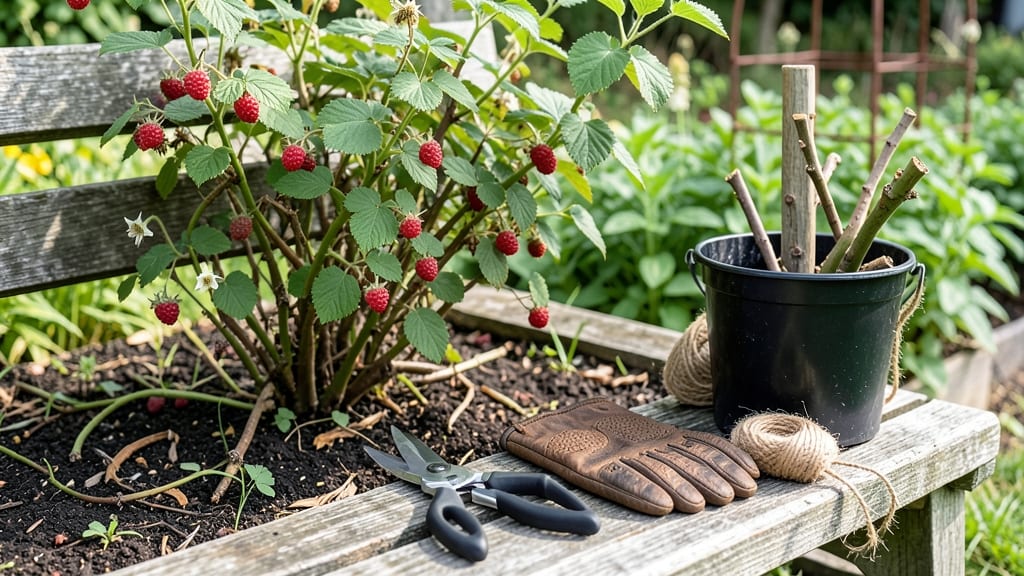
Spring pruning raspberry bushes in late winter or early spring is how you unlock a harvest that stretches from summer into fall. 🌱 I’ve learned the hard way—skipping this step means fewer berries, tangled canes, and a bush that looks like a bird’s nest by July.
The right cuts now mean bigger, sweeter fruit later, and a plant that stays healthy for years.
Timing is everything: wait until after the last frost when new growth starts but before buds swell. You’ll need clean pruners, gloves, and a bucket for clippings—no fancy tools, just sharp blades and a clear day.
The goal is simple: remove old canes (they won’t fruit again) and shape the bush so air circulates, keeping diseases at bay. Think of it like giving your raspberries a fresh start.
You’ll end up with a bush that produces thicker, sweeter canes next season and fewer crowded stems fighting for sunlight. The berries themselves grow larger because the plant directs energy where it counts.
Plus, pruning makes harvesting easier—no more wrestling with tangled vines when the berries are ripe. It’s the one spring chore that pays off all summer long.
Works for both summer-bearing and everbearing varieties, though everbearing types need lighter cuts. Whether you’re in Zone 5 or Zone 8, the principles stay the same—just adjust timing for your local frost dates. Here’s exactly how to do it without overcomplicating things.
📚 In This Guide
- What you need
- Instructions
- Tips and common mistakes
- Wrapping up and next steps
What you need
- ● Pruning shears or loppers: Choose bypass pruners (sharp, clean cuts) or loppers (for thicker canes, 18–24" cutting length). Quantity: 1 pair.
- ● Gloves: Heavy-duty, garden or pruning gloves (cut-resistant, long cuffs) to protect against thorns. Quantity: 1 pair.
- ● Disinfectant: Rubbing alcohol (70%+) or bleach solution (1 part bleach to 9 parts water) to sterilize tools between cuts. Quantity: Small spray bottle or rag.
- ○ Bucket or bag: For collecting pruned canes (10–20 gallon capacity). Optional: Use a compost bin if canes are disease-free.
- ● Pruning saw: For thick, woody canes (if loppers struggle). Quantity: 1.
- ● Knee pads or stool: For comfort if bending frequently.
- ● Markers or flags: Colored twine or stakes to tag canes for future reference (e.g., "keep" vs. "remove").
- ● Mulch: Straw or wood chips (2–3 inches) to protect soil post-pruning.
- ● Check the last frost date in your zone—prune after the risk of frost has passed.
- ● Identify your raspberry type: Flowering (primocane) vs. Non-flowering (floricane) bushes (pruning methods differ!).
- ● Wear long sleeves/pants and closed-toe shoes to avoid thorn pricks.
Step-by-step guide to pruning raspberry bushes in spring
Spring pruning transforms raspberry bushes into productive powerhouses—here's how to do it right.
🌿 Step 1: Identify Last Year's Canes and New Growth
Raspberry bushes have two types of canes: last year's fruiting canes (brown and woody) and this year's primocanes (green and flexible). The key is removing last year's canes completely at ground level—don't leave stubs. I grab each cane and give it a gentle tug to test its strength; if it snaps easily, it's old and ready to go.
New growth emerges from the base in spring. These primocanes will produce fruit next year, so leave them untouched. Look for the telltale green shoots with pointed tips—these are your future harvesters. If you're unsure, wait a week; the contrast between old and new becomes more obvious as temperatures rise.
✂️ Step 2: Remove Dead and Diseased Canes First
Before making any clean cuts, scan the bush for canes with blackened tips, mold, or holes—these are signs of disease or winter damage. Grab your pruners and snip these canes at the base, then toss them in the trash (never the compost pile). Diseased canes can reinfect your plants if left behind.
Next, check for canes that died over winter but didn't fall over. These will be hollow or brittle when you bend them. Remove these immediately—they're energy vampires that drain resources from healthy growth. I like to work from the outside in, making it easier to spot hidden problems in the center of the bush.
🪴 Step 3: Cut Back Last Year's Fruiting Canes
Now for the main event: removing last year's fruiting canes. These are the brown, woody stems that produced berries last summer. Using sharp pruners, cut them off at ground level—no stubs left. I make the cut just above a bud or the soil line to prevent disease entry points.
Here's the thing—don't worry if you accidentally leave a few behind. Raspberry bushes are resilient, and you can always remove stragglers later. The goal is to open up the center of the bush for airflow and sunlight, which keeps berries sweet and prevents fungal issues. After cutting, step back and admire your work—the bush should look like a tidy, open framework.
☀️ Step 4: Thin Overcrowded Canes for Better Airflow
Even after removing old canes, raspberry bushes can get too crowded. Aim for 6-8 canes per plant—any more and they'll compete for sunlight and nutrients. I start by counting the remaining primocanes and remove the thinnest or weakest ones at the base. These won't produce much fruit and just take up space.
Watch for canes growing at odd angles or crossing others. These create rub spots where moisture lingers, inviting disease. Snip them off cleanly. After thinning, the bush should have a balanced, pyramid shape with room for new growth to spread outward. This step is critical for year-round harvests—well-spaced canes produce more berries and ripen evenly.
💧 Step 5: Clean Up and Fertilize for New Growth
Once pruning is done, rake up and dispose of all clippings—this removes potential disease sources. I like to add a 2-3 inch layer of compost around the base of the plant to replenish nutrients lost during pruning. Water deeply afterward to help the soil settle and encourage root growth.
Here's where it gets fun—within 2-3 weeks, you'll see new primocanes shooting up from the base. This is your reward for a job well done. Keep an eye out for suckers (shoots growing outside the plant's main framework) and remove them to maintain the bush's shape. With proper pruning, your raspberry bushes will reward you with two harvests a year: berries on last year's canes in early summer and on new canes in late summer/fall.
Tips & tricks for perfect spring raspberry pruning
These simple strategies will help you prune like a pro and set your bushes up for a bountiful harvest all season.
Timing is Everything: Prune when new primocanes are about 6 inches tall but before they start flowering—this gives them time to establish strong roots for next year's fruit. I usually tackle this in early to mid-spring, right after the last frost when the soil is workable but before the bush gets too busy growing. Waiting too long means you might accidentally cut off potential fruiting canes for this season.
Tool Prep Makes All the Difference: Before you start, sharpen your pruners with a file or honing tool—dull blades crush stems instead of making clean cuts, which can damage the plant. I also wipe down my tools with rubbing alcohol between cuts on infected canes to prevent spreading disease. A small bucket for clippings and a pair of gloves will keep you organized and protected from thorns.
Visual Cues for Better Decisions: In Step 1, when testing cane strength, look for a clean snap rather than a bend—this confirms it's truly dead wood. For Step 4's thinning process, imagine your bush as an open pyramid: the strongest canes should be evenly spaced like spokes on a wheel, with no overlaps. This airflow pattern is what prevents fungal diseases and ensures even ripening.
Post-Pruning Care Pays Off: After adding that 2-3 inch layer of compost, water deeply but slowly to help it settle around the roots. I like to use a soaker hose for this—it delivers moisture right where it's needed without disturbing the soil. Within those 2-3 weeks of new growth, keep an eye out for any suckers growing beyond the main framework and remove them promptly to maintain that tidy shape.
Pro Tips for Pruning Raspberry Bushes In The Spring
- These simple strategies will help you prune like a pro and set your bushes up for a bountiful harvest all season.
- Timing is Everything: Prune when new primocanes are about 6 inches tall but before they start flowering—this gives them time to establish strong roots for next year's fruit.
- Tool Prep Makes All the Difference: Before you start, sharpen your pruners with a file or honing tool—dull blades crush stems instead of making clean cuts, which can damage the plant.
Frequently asked questions
Got questions about pruning raspberry bushes in spring? You’re not alone! Here are some of the most common concerns—plus clear, actionable answers to keep your bushes thriving.
When is the exact best time to prune raspberry bushes in spring?
Prune summer-bearing raspberries right after harvest (late summer/early fall) or in early spring before buds swell (March–April, depending on your climate). For fall-bearing varieties, prune in late winter or early spring—just as new canes emerge. Avoid pruning when frost is still a risk!
What if I miss spring pruning? Can I still do it later?
Yes! While spring is ideal, you can prune summer-bearing raspberries right after harvest (fall) or even in winter (when dormant). Fall-bearing types can wait until late winter, but avoid pruning during active growth. Just remove dead/diseased canes ASAP—they’re more urgent than timing!
How do I tell the difference between old and new raspberry canes?
Old canes are wooden, brown, and thick (they fruited last year). New canes are green, flexible, and thinner (they’ll fruit next year). For summer-bearing bushes, cut the old canes to the ground. For fall-bearing types, keep last year’s canes (they produce fruit in fall) and prune the oldest ones after harvest.
Should I prune raspberry bushes every year?
Annual pruning boosts fruit production, improves airflow, and prevents disease. Neglecting it leads to overcrowding, smaller berries, and pests. Focus on removing dead, weak, or crossing canes each spring, and thin out excess growth to prioritize healthy canes.
What if my raspberry canes look diseased after pruning?
Dispose of infected canes immediately (don’t compost them!). Sterilize pruners with rubbing alcohol or bleach between cuts. For fungal issues (like cane blight), apply copper fungicide in spring. Thin canes for better airflow—this reduces humidity and stops spores from spreading!
Wrapping up and next steps
Pruning raspberry bushes in spring isn’t just about tidying up—it’s the secret to bigger, sweeter berries and healthier plants all season long! 🌱 By removing old canes, thinning crowded growth, and keeping your tools sharp, you’re setting the stage for a bountiful harvest that’ll make your neighbors jealous.
Remember, consistency is key, so grab those shears and get to work with confidence!
Ready to take the next step? Mark your calendar for late winter or early spring—just as buds begin to swell—and roll up your sleeves. Your future raspberry feasts (and Instagram-worthy bushes!) will thank you. Need a refresher? Bookmark this guide and revisit it before your next pruning session!