
Pruning
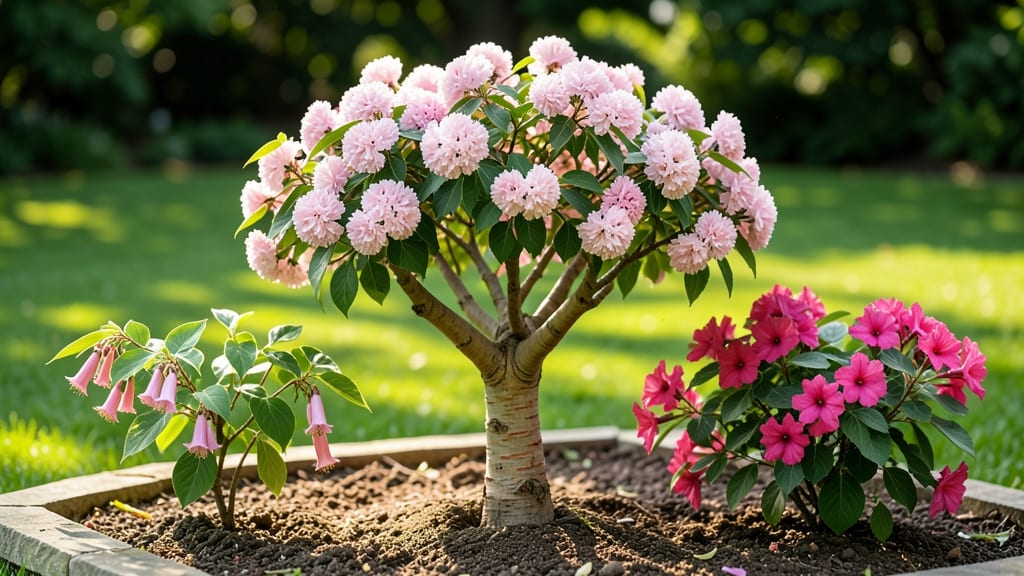
Pink flowering bush trees like Japanese Kerria or Weigela turn your yard into a dreamy, blush-hued canvas with almost no effort. ✨ I’ve seen these beauties transform dull corners into showstopping focal points—just plant them, water occasionally, and watch them burst into color for months.
These shrubs thrive in partial sun, making them perfect for borders, hedges, or mixed plantings. A Weigela can reach 6–10 feet tall, while Kerria stays compact at 3–5 feet, both blooming from spring through early summer.
Their delicate pink flowers pair perfectly with deep greens or purples for a romantic garden vibe. The best part? They ask for almost no pruning—just a light trim after blooming to keep them tidy. Imagine that: year-round color with minimal fuss.
Your neighbors will ask how you did it, and you’ll just smile while sipping lemonade under their shade. Works in any garden style—formal, cottage, or modern. Here’s how to pick the right one for your space!
📚 In This Guide
- What you need
- Instructions
- Tips and common mistakes
- Wrapping up and next steps
What you need
- ● Pink flowering bush tree: Choose a variety like Crape Myrtle, Hibiscus, or Lagerstroemia (ensure it’s disease-free and healthy). Quantity: 1 mature plant or 3-5 young saplings for a fuller look.
- ● High-quality potting soil or garden soil: Quantity: 5-10 gallons (depending on pot size or planting area). Use a mix with 50% compost for nutrients.
- ● Organic mulch (pine bark or shredded leaves): Quantity: 2-3 inches (for moisture retention and weed suppression).
- ● Slow-release fertilizer (10-10-10 or rose-specific): Quantity: 1-2 pounds (follow package instructions).
- ● Pruning shears: Specs: Bypass blades (sharp, clean cuts) with a 5-7 inch blade for larger branches.
- ● Hand pruners: Specs: Bypass or anvil type (for smaller stems, 3-5 inch blades).
- ● Gloves (gardening or pruning gloves): Specs: Heavy-duty, water-resistant (to protect from thorns and sap).
- ● Watering can or hose with a gentle spray nozzle.
- ● Loppers: Specs: 8-12 inch for thicker branches (if your bush grows large).
- ● Hedge shears: For shaping (if you prefer a manicured look).
- ● Disinfectant (rubbing alcohol or pruning sealant): To sterilize tools between cuts and prevent disease.
- ● Stakes and twine: For young saplings (if planting in windy areas).
- ● Plant food with micronutrients: For extra vibrancy in blooms.
- ● Know your climate: Pick a bush that thrives in your USDA hardiness zone (e.g., Crape Myrtles love zones 7-9).
- ● Sunlight check: Ensure your planting spot gets 6+ hours of sunlight daily (most pink bloomers are sun-worshippers!).
- ● Soil test: Test pH (ideal range: 6.0-7.0 for most flowering bushes). Adjust with lime or sulfur if needed.
- ● Timing: Plant in spring or early fall (avoid extreme heat or frost).
- ● Watering schedule: Deep water 2-3 times per week for the first month, then taper to 1-2 times weekly (adjust for drought).
How to plant and maintain a stunning pink flowering bush tree
Here’s the straightforward approach I’ve used to keep a vibrant pink flowering bush thriving with almost no fuss.
🌱 Step 1: Choose the Right Location for Year-Round Color
Pink flowering bush trees—like crape myrtle, lilac, or abelia—thrive in full sun to partial shade, with at least 6 hours of sunlight daily. I always pick a spot with morning sun and afternoon shade to prevent leaf scorch, especially in hot climates. The soil should drain well, so avoid low-lying areas where water pools after rain.
Dig a hole twice as wide as the root ball but no deeper. This encourages roots to spread outward instead of settling too deep. Loosen the edges of the hole with a shovel to help roots penetrate the soil more easily. If your soil is heavy clay, mix in 2-3 inches of compost to improve drainage—this makes a huge difference in root health.
🪴 Step 2: Plant Correctly for Strong, Long-Lasting Growth
Gently remove the tree from its container and loosen the roots if they’re circling or compacted. Place it in the hole so the top of the root ball sits level with the ground—burying too deep can suffocate the trunk. Backfill with native soil, tamping lightly every 6 inches to remove air pockets.
Water deeply right after planting to settle the soil and eliminate gaps. You’ll know it’s right when water drains evenly from the hole. Mulch around the base with 2-3 inches of organic mulch, keeping it 6 inches away from the trunk to prevent rot. This keeps roots cool in summer and moist in winter.
☀️ Step 3: Water Wisely for Blooms That Last All Season
Newly planted trees need deep watering once a week for the first year, especially during dry spells. Stick your finger 2 inches into the soil—if it’s dry, water until moisture reaches 6 inches deep. Overwatering is the biggest mistake; soggy roots lead to weak growth and fewer blooms.
Once established, most pink flowering bushes are drought-tolerant, but they’ll reward you with more vibrant blooms if you water every 10-14 days during hot, dry weather. Watch the leaves—they’ll curl or droop if thirsty, but they bounce back quickly after a good drink.
✂️ Step 4: Prune Strategically for Minimal Effort, Maximum Beauty
Prune right after flowering (late spring to early summer) to shape the tree and encourage next year’s blooms. Remove dead, crossing, or weak branches first, cutting just above a leaf node or outward-facing bud. This keeps the tree open and airy, reducing disease risk.
For minimal effort, I only trim back overgrown branches by ⅓—never more than that, or you’ll sacrifice next year’s flowers. Use clean, sharp pruners to make 45-degree cuts just above a bud. Avoid heavy pruning in fall or winter; it stimulates new growth that won’t harden off before cold weather.
🌿 Step 5: Feed and Protect for Long-Term Vibrancy
Apply a balanced, slow-release fertilizer (like 10-10-10) in early spring before new growth starts. Follow the package rate—overfeeding leads to leafy growth at the expense of flowers. I also side-dress with compost in fall to feed roots gradually over winter.
Watch for pests like aphids or spider mites, which love tender new growth. A strong spray of water usually knocks them off, but if they persist, use neem oil—it’s safe, effective, and won’t harm pollinators. A healthy tree with good airflow rarely gets serious problems, so proper planting and pruning do most of the work.
Tips & tricks for perfect pink flowering bush trees
Here's what nobody tells you about keeping these stunning plants thriving with almost no effort.
Location Intelligence: I've planted these in spots with morning sun and afternoon shade, and the difference is night-and-day. The afternoon shade prevents leaf scorch in hot climates while still giving them the 6 hours of sunlight they need. If your yard gets intense afternoon sun, consider planting against a north-facing wall or fence for natural protection.
Root Development Secret: That twice-as-wide hole isn't just about space—it's about encouraging roots to spread outward rather than settling too deep. When backfilling, I always tamp lightly every 6 inches to eliminate air pockets. This creates a solid foundation where roots can properly establish. For clay soils, I mix in 2-3 inches of compost right in the planting hole—this improves drainage dramatically and gives roots a nutrient boost from day one.
Watering Wisdom: The 2-inch soil check is your best friend. If it's dry at that depth, water until moisture reaches 6 inches down. I use a long screwdriver to check—it's more accurate than sticking your finger in. For newly planted trees, I set a timer to remind me to water once a week during dry spells. Once established, I water every 10-14 days during hot weather, but I always check those leaves first—they'll tell you exactly what the tree needs.
Pruning Precision: That ⅓ trim rule is non-negotiable if you want next year's blooms. I mark my calendar for right after flowering (late spring) to do my pruning. For the 45-degree cuts, I visualize the bud facing outward—this creates a natural, open shape that lets air circulate. I always clean my pruners with rubbing alcohol between cuts to prevent spreading disease. And here's a pro move: I never prune in fall or winter because new growth won't have time to harden off before cold weather.
Pro Tips for Pink Flower Bush Tree
- Here's what nobody tells you about keeping these stunning plants thriving with almost no effort.
- Location Intelligence: I've planted these in spots with morning sun and afternoon shade, and the difference is night-and-day.
- Root Development Secret: That twice-as-wide hole isn't just about space—it's about encouraging roots to spread outward rather than settling too deep.
Frequently asked questions
Got questions about keeping your pink flower bush tree vibrant and thriving? You’re not alone! Here are answers to the most common queries—from care tips to troubleshooting—so you can enjoy stunning blooms with minimal fuss.
When is the best time to plant a pink flowering bush tree?
The ideal time to plant is in early spring or fall, when temperatures are mild and soil is workable. Avoid extreme heat or frost, as these can stress young roots. If planting in summer, water deeply daily for the first 2–3 weeks to help it establish.
How often should I water my pink flowering bush tree?
Water deeply once or twice a week during the first growing season to encourage strong root growth. Mature trees need water only during drought or prolonged dry spells—about 1–1.5 inches per week. Overwatering can lead to root rot, so always check soil moisture before watering.
Can I prune my pink flowering bush tree at any time?
Prune right after flowering (late spring or early summer) to shape the tree and encourage new blooms. Avoid heavy pruning in fall or winter, as it can stimulate tender new growth vulnerable to frost. Light trimming to remove dead or crossing branches is fine year-round.
What pests or diseases should I watch for in my pink flowering bush tree?
Common issues include aphids, spider mites, and powdery mildew. Treat aphids with a strong spray of water or insecticidal soap. For mildew, improve airflow and apply a fungicide if needed. Keep an eye on yellowing leaves or sticky residue—early signs of trouble!
Are there low-maintenance alternatives to pink flowering bush trees?
Yes! Consider butterfly bush (Buddleia), abelia, or crape myrtle for similar pink blooms with minimal pruning. Dwarf varieties like Weigela or Hydrangea also thrive with less effort. Choose based on your climate—some tolerate heat or drought better than others.
Wrapping up and next steps
Transforming your garden with a pink flowering bush tree is easier—and more rewarding—than you think! 🌸 With minimal pruning, these stunning plants bring year-round color while requiring just basic tools and a little seasonal care.
Whether you’re a beginner or a seasoned gardener, the key is consistency over complexity—and now you’ve got all the tips to make it effortless.
Ready to elevate your outdoor space? Start by picking your favorite variety, then grab your shears and get pruning! For extra inspiration, explore local nurseries or online plant communities to see real-life transformations. Your garden’s next masterpiece is just a trim away! ✂️🌿