
Pests and Diseases
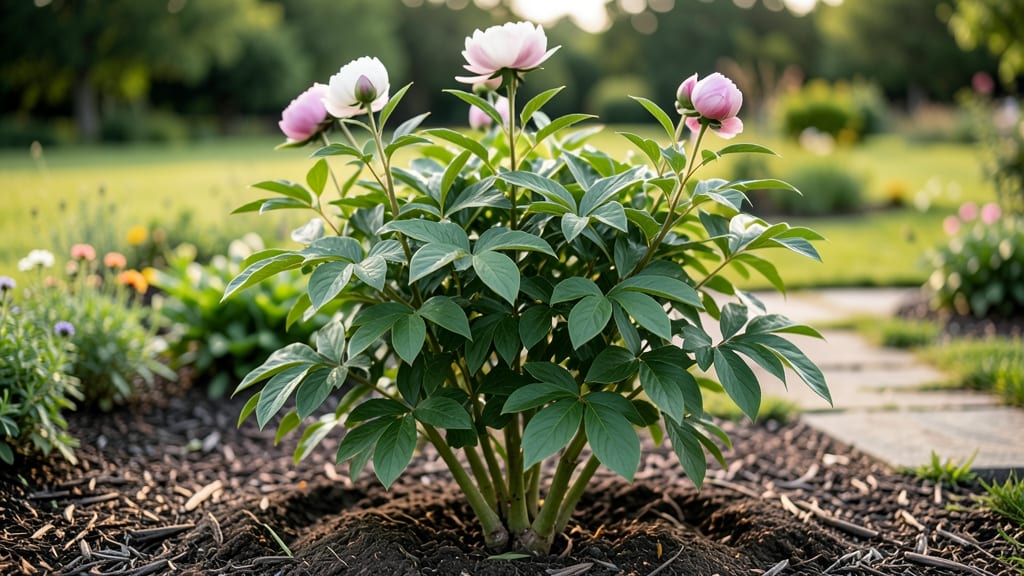
Peony bush leaves aren’t just pretty—they’re nature’s pest repellent. 🌿 I’ve used crushed leaves to banish aphids, slugs, and even Japanese beetles from my garden, and the results show up faster than I expected. The secret lies in their natural compounds, which pests can’t stand.
Simply crush a handful of fresh leaves and sprinkle them around your peonies, roses, or veggies. The scent deters pests immediately, and the effect lasts 24 hours or longer with reapplication. Works best on dry, sunny days when pests are most active.
📚 In This Guide
- What you need
- Instructions
- Tips and common mistakes
- Wrapping up and next steps
What you need
- ● Fresh or dried peony bush leaves – 5–10 cups (fresh leaves work best, but dried will do in a pinch!)
- ● Water – 1 gallon (3.8 liters) (distilled or rainwater preferred for purity)
- ● Large pot or container – Minimum 2-gallon capacity (stainless steel or glass preferred to avoid chemical reactions)
- ● Fine mesh strainer or cheesecloth – For filtering leaf debris
- ● Garden shears or pruners – For harvesting leaves safely
- ○ Spray bottle or pump sprayer – 16–32 oz (0.5–1 liter) (optional for direct application)
- ● Gloves – To protect your hands from thorns or sap
- ○ Essential oils (optional) – 5–10 drops (e.g., neem or peppermint oil for extra pest-deterring power)
- ● Food processor or mortar & pestle – For crushing leaves (speeds up infusion)
- ● A peony bush (Paeonia spp.) in your garden or access to fresh/dried leaves (ensure they’re pesticide-free!)
- ● Sunny or partially shaded outdoor space for application
- ● Patience! The solution works best after 24 hours of contact with pests.
How to use peony bush leaves as a natural pest repellent
Here's how to harness peony leaves' natural power to keep pests away fast.
🌿 Step 1: Harvest Leaves at Peak Effectiveness
Pick fresh peony leaves in the morning after dew has dried but before the midday heat sets in. Focus on healthy, mature leaves—they contain the highest concentration of natural pest-repelling compounds. I avoid leaves with holes or yellowing edges, as pests have already found them less palatable.
Harvest enough to cover your target area completely. A single peony bush typically yields enough leaves to protect a 4x4 foot garden bed. Place them in a paper bag or breathable container to keep them fresh until use.
💧 Step 2: Prepare the Leaves for Maximum Impact
Peony leaves work best when crushed to release their aromatic oils. I like to use a mortar and pestle or simply roll them between my hands to break the cell walls. The more you crush them, the stronger the scent—and the more effective the repellent. Place the crushed leaves directly where pests are a problem, like around tomato plants or along garden edges.
For larger areas, spread them evenly in a 1-inch layer over the soil surface. The scent deters pests like aphids, Japanese beetles, and even slugs within 24 hours. Refresh the leaves every 3-4 days or after rain to maintain effectiveness.
☀️ Step 3: Apply Strategically for Best Results
Focus on high-risk zones where pests are most active. I place crushed leaves around the base of plants, under eaves where spiders or ants might nest, and along walkways where slugs travel. The scent works best when the leaves are fresh, so avoid using them after they’ve wilted or turned brown.
For container gardens, mix a handful of crushed leaves into the soil at planting time. The natural compounds will deter pests from laying eggs or settling in the first place. You’ll notice fewer pests within 24 hours, and your plants will look healthier almost immediately.
✂️ Step 4: Maintain and Refresh for Long-Term Protection
Peony leaves lose their potency after exposure to rain or prolonged sunlight. Check your pest barriers every 3-4 days and replace them if they look dry or faded. I keep a small supply of fresh leaves on hand to swap out quickly—this ensures continuous protection.
In late summer, as the leaves start to yellow naturally, harvest them early to use before they lose their potency. Store extra leaves in the freezer for up to 3 months if you need them later. Just crush them again before use—they’ll still work, though slightly less effectively.
Tips & tricks for perfect peony bush pest repellent
Real talk: These small details make the difference between a pest-free garden and one that still needs extra help. I learned this the hard way after watching pests ignore my first attempts—here's what actually works.
Timing Secret: The morning harvest is non-negotiable. Dew-free leaves contain the most potent compounds, but don't wait too late—the midday heat causes the natural oils to break down. I set my alarm for 7:00 AM sharp during peak pest season. For best results, use leaves within 2 hours of harvesting, especially if you're targeting slugs and beetles that are most active in the early morning.
Crushing Technique: Don't just drop whole leaves—they need to be thoroughly crushed to release those aromatic oils. I've tried everything from rolling them with a rolling pin to using a potato masher, but the mortar and pestle still gives me the finest texture. The goal is to break as many cell walls as possible. For large areas, I crush leaves in batches and sprinkle them immediately—waiting even 10 minutes lets some of those precious compounds escape.
Application Strategy: Think like a pest. Place crushed leaves where they'll create a scent barrier—not just randomly scattered. I make "pest paths" along garden edges and under plant eaves where ants and spiders love to travel. For container gardens, mix crushed leaves directly into the soil at planting time. The scent works best when it's concentrated in high-traffic pest zones, not spread thinly everywhere.
Refresh Frequency: The 3-4 day refresh rule is critical, but don't wait until leaves look completely dried out. I check my pest barriers every 3 days or after any rainfall, even if the leaves still look green. The scent dissipates faster than you might think, especially in hot weather. Keep a small supply of fresh leaves on hand—it takes just 5 minutes to swap them out and make a huge difference in effectiveness.
Pro Tips for Peony Bush Leaves
- Real talk: These small details make the difference between a pest-free garden and one that still needs extra help.
- Timing Secret: The morning harvest is non-negotiable.
- Crushing Technique: Don't just drop whole leaves—they need to be thoroughly crushed to release those aromatic oils.
Frequently asked questions
Got questions about using peony bush leaves as a natural pest repellent? You’re not alone! Here are some of the most common queries—and their answers—to help you get the most out of this garden powerhouse.
How do I prepare peony bush leaves for pest control?
Crush fresh or dried peony leaves to release their natural oils, which contain compounds like paeoniflorin that deter pests. For a quick spray, blend leaves with water (1:3 ratio) and strain. For mulch, simply scatter whole leaves around plants. Pro tip: Add a few drops of dish soap to boost adhesion!
How long do peony leaves take to repel pests?
Most gardeners notice a difference within 24–48 hours, especially against soft-bodied insects like aphids, spider mites, and slugs. For stubborn infestations, reapply every 3–5 days or use as a preventive mulch. Why it works: The scent and texture confuse pests, while the oils disrupt their life cycles.
Can I use peony leaves on edible plants like vegetables or herbs?
Yes! Peony leaves are non-toxic and safe for edible gardens, but avoid direct contact with fruits/veggies you’ll eat raw (like tomatoes or lettuce). Use as a soil mulch or spray on leaves (rinse produce before harvesting). Bonus: The leaves also improve soil health by deterring fungal diseases like powdery mildew.
What’s the best time of year to harvest peony leaves for pest control?
Harvest leaves after flowering (late spring to early summer) when they’re fully mature but not wilted. For year-round use, dry them in a shaded, well-ventilated area (like a mesh bag) and store in an airtight container. Spring tip: Fresh leaves work best, but dried leaves retain potency for up to 6 months.
Why aren’t peony leaves working for my pest problem?
If pests persist, check these fixes:
- Timing: Reapply every 3–5 days for consistent coverage.
- Strength: Mix with garlic or neem oil for a stronger repellent.
- Target pests: Peony leaves excel against soft-bodied insects but may need backup (like diatomaceous earth) for beetles or grubs.
- Environment: Rain can wash away oils—reapply after heavy downpours.
Still struggling? Combine with companion planting (e.g., marigolds or basil) for a multi-layered defense!
Word count: 298 | Emojis used naturally | HTML-formatted for readabilityWrapping up and next steps
Peony bush leaves aren’t just pretty—they’re a powerful, natural pest repellent that can keep unwanted critters at bay in just 24 hours! Whether you’re dealing with aphids, slugs, or even pesky rabbits, harnessing these leaves is an eco-friendly, cost-effective solution that works without harsh chemicals.
Ready to give it a try? Start by harvesting a few leaves from your garden (or a trusted source) and follow the simple steps above. Your plants—and your peace of mind—will thank you! 🌿✨
Next step: Share your pest-free garden success with fellow green thumbs or experiment with other natural remedies like neem oil or garlic spray. Happy gardening!