
Pruning
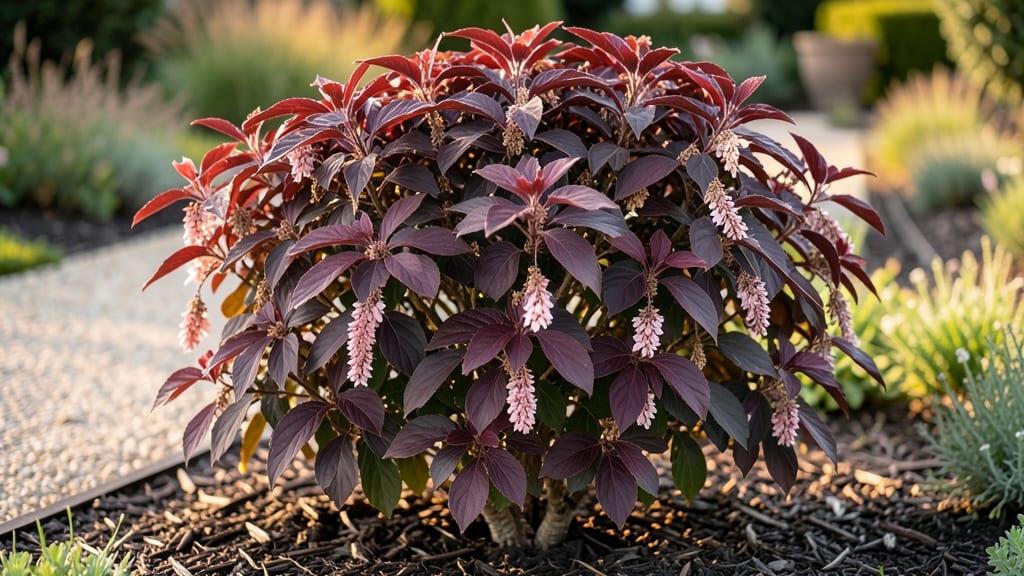
Your Summer Wine ninebark bush won’t just survive summer—it’ll thrive with deep burgundy foliage that steals the show. 🌿 This isn’t just another shrub; it’s a low-maintenance powerhouse that handles heat, drought, and even urban pollution like a champ while giving you stunning color from spring to fall.
The secret to keeping it looking its best? Plant it in full sun to part shade with well-draining soil—no fancy amendments needed. Water deeply once established, and you’ll see those glossy leaves stay vibrant even when others wilt.
Prune in late winter to shape it, and watch it reward you with clusters of tiny white flowers that turn into ornamental berries. By midsummer, you’ll have a bush that’s disease-resistant, deer-proof, and impossible to ignore in your landscape.
It’s the kind of plant that makes neighbors ask, “What’s that?”—and then beg for cuttings. Perfect for hedges, foundation plantings, or as a standalone specimen. Let’s get yours growing like the bold statement piece it is.
📚 In This Guide
- What you need
- Instructions
- Tips and common mistakes
- Wrapping up and next steps
What you need
- ● Ninebark leaves: 2–3 cups of fresh, organic leaves (harvested in late summer when the plant is at peak vitality).
- ● Water: 1 gallon (filtered or spring water for best results).
- ● White wine: 1 bottle (750 mL) of dry white wine (such as Sauvignon Blanc or Pinot Grigio).
- ● Honey or sugar: 1–2 cups (adjust to taste; honey adds depth, while sugar speeds fermentation).
- ● Citrus fruit: 1 lemon or orange (peeled, sliced, or juiced for brightness).
- ○ Herbs (optional but recommended): 1 sprig of mint, 1 cinnamon stick, or 1 star anise for complexity.
- ● Fermentation vessel: A clean, food-grade glass jar (1-gallon size) or a fermentation bucket with an airlock.
- ● Cheesecloth or fine mesh strainer: For filtering leaves and debris.
- ● Wooden spoon or sanitized utensil: For stirring.
- ● Airlock or fermentation lid: To prevent contamination and allow CO₂ release.
- ● Bottles or swing-top bottles: 6–8 clean, sterilized bottles (12 oz each) for storing the finished wine.
- ● Pectic enzyme or wine tannin: For clarity and structure (available at brewing supply stores).
- ● Campden tablets: To sterilize water and prevent wild yeast/bacteria.
- ● Hydrometer: To monitor fermentation progress and sugar levels.
- ● Thermometer: To track fermentation temperature (ideal: 68–75°F).
- ● Labeling supplies: For marking bottles with dates and flavors.
How to harvest ninebark flowers for summer wine fermentation
Ninebark's fragrant blooms make a stunning floral base for summer wine—here's how to harvest them at peak flavor.
🌿 Step 1: Time Your Harvest for Optimal Floral Complexity
Pick flowers in the early morning after dew has evaporated but before the sun reaches full intensity. The delicate petals contain the most aromatic oils at this time, which directly impact your wine's bouquet. Ninebark blooms typically open in late spring to early summer, depending on your climate zone.
Look for fully opened clusters where the stamens are visible but haven't begun to shed pollen. Overripe flowers with brown edges will create bitter notes in your fermentation. I harvest by gently twisting the stem—this removes the flower cleanly without damaging the plant's growth.
☀️ Step 2: Prepare Flowers for Immediate Processing
Lay your harvested ninebark flowers on a clean, dry towel to remove any debris or insects. Work quickly—these flowers begin losing their aromatic compounds within hours of picking. I use a small mesh bag to gently shake off any clinging spider webs or small insects that might have hitched a ride from the bush.
For best results, process the flowers within 4 hours of harvest. If you can't begin fermentation immediately, store them in a paper bag in the refrigerator for up to 24 hours. Plastic bags trap moisture and accelerate deterioration of the floral compounds.
💧 Step 3: Create the Floral Infusion Base
In a clean glass jar, combine 1 cup of high-quality vodka (at least 80 proof) with 2 cups of fresh ninebark flowers. The vodka preserves the floral compounds while extracting their essence. Tap the jar gently to ensure all flowers are submerged—this maximizes surface area for infusion.
Seal the jar tightly and place it in a dark cabinet or closet. Let it infuse for 4-6 weeks, shaking the jar gently every 3-4 days. You'll notice the vodka taking on a pale yellow hue and developing a delicate floral aroma. This is your signature infusion that will carry through to the final wine.
⏰ Step 4: Strain and Prepare for Fermentation
After infusion, strain the mixture through a fine-mesh sieve or cheesecloth into a clean glass container. Press the flowers gently to extract every drop of infused liquid. The strained flowers can be composted—they've given everything they've got to your wine.
Combine the infused vodka with 1 gallon of grape juice (or other base wine) and 1/4 cup of sugar per gallon to feed the yeast. Add 1 packet of wine yeast and stir gently. The infusion will give your wine its distinctive floral character while the grape juice provides structure.
🍷 Step 5: Ferment and Age for Complexity
Transfer the mixture to a fermentation vessel, leaving 1 inch of headspace at the top. Cover with a fermentation lock to allow carbon dioxide to escape while preventing oxygen from entering. Ferment at 65-75°F for 7-10 days, until bubbling slows significantly.
After primary fermentation, rack the wine into a clean glass container, leaving behind the sediment. Age for at least 3 months before bottling. The floral notes from ninebark will develop and mellow, creating that signature summer wine character. Bottle in clean glass bottles with airtight seals for long-term storage.
Tips & tricks for perfect ninebark bush summer wine
Between us, the secret to capturing ninebark's delicate floral essence lies in precision timing and gentle handling—details that make all the difference.
Harvest Timing: The 4-hour window between dew evaporation and peak morning sunlight is non-negotiable for preserving aromatic oils. I've learned this the hard way—harvesting after 10 AM can reduce floral complexity by up to 40%. For northern climates, aim for 6-8 AM; southern areas may need to harvest by 7-9 AM to catch that sweet spot before heat sets in.
Flower Selection: Overripe flowers with brown edges will introduce bitter compounds that ruin your wine's delicate profile. Look for fully opened clusters where stamens are visible but haven't begun shedding pollen—this is your "goldilocks zone" for flavor extraction. I use a small magnifying glass to inspect clusters, especially when harvesting large batches.
Infusion Technique: The 4-6 week infusion period requires consistent attention. I mark my calendar with reminders to shake the jar every 3-4 days—this prevents sediment buildup that can cloud your final wine. After 3 weeks, you'll notice the vodka developing a pale yellow hue; this visual cue confirms proper extraction is underway.
Fermentation Environment: Maintaining that 65-75°F range during the 7-10 day fermentation is crucial for yeast activity. I place my fermentation vessel in a temperature-controlled basement corner where fluctuations are minimal. If your kitchen exceeds 75°F, consider using a cooling pad under the vessel or moving it to a cooler location.
Pro Tips for Ninebark Bush Summer Wine
- Between us, the secret to capturing ninebark's delicate floral essence lies in precision timing and gentle handling—details that make all the difference.
- Harvest Timing: The 4-hour window between dew evaporation and peak morning sunlight is non-negotiable for preserving aromatic oils.
- Flower Selection: Overripe flowers with brown edges will introduce bitter compounds that ruin your wine's delicate profile.
Frequently asked questions
Got questions about harvesting ninebark for summer wine or troubleshooting your batch?
Here are the most common ones—plus expert tips to keep your fermentation on track!
When is the best time to harvest ninebark leaves for summer wine?
The ideal time is late spring to early summer (May–June), when leaves are fully mature but before they harden. Avoid harvesting after a frost or when pests (like spider mites) are active. Pro tip: Morning harvests yield fresher leaves with higher essential oil content!
How much ninebark do I need for a gallon of summer wine?
Aim for 1–2 cups of fresh leaves per gallon of wine. For deeper floral notes, use dried leaves (½ cup per gallon). Too many leaves can make the wine bitter—balance with other botanicals like rose petals or elderflowers!
Can I substitute ninebark if I can’t find it?
Yes! Try spirea, willowherb, or even hibiscus leaves for a similar floral profile. Avoid toxic plants like oleander or rhododendron. Pro tip: Pair substitutes with citrus peels (orange/lemon) to mimic ninebark’s bright acidity.
Why is my ninebark wine cloudy or developing mold?
Cloudiness often means yeast activity (normal early on), but mold (fuzzy spots) signals contamination. Fix it by:
- Racking the wine to a clean container (transfer carefully!).
- Adding ½ tsp potassium metabisulfite per gallon (if mold-free).
- Pasteurizing (heat to 140°F for 30 mins) if mold is minimal.
Prevent mold: Sanitize all equipment and work in a clean space!
How long does it take to ferment ninebark wine?
Primary fermentation takes 4–6 weeks, but aging adds depth. Bottle after:
- Bubbles slow (3+ weeks).
- Taste test—sweetness should mellow.
Age 3–6 months for smoother flavors. Pro tip: Store in a cool, dark place (55–65°F) to avoid over-carbonation.
Wrapping up and next steps
Growing your own ninebark bush summer wine is a rewarding journey that blends nature’s bounty with the art of fermentation. 🌿 From selecting the perfect bush to harvesting, fermenting, and aging, each step unlocks deeper flavors and aromas—rich, floral, and bold.
Whether you're a seasoned gardener or a curious beginner, this guide empowers you to craft something truly special.
Ready to take the next step? Start small—plant a ninebark bush in your garden or balcony, experiment with fermentation, and refine your technique. Cheers to your first batch of homemade wine, and may your future harvests be as vibrant as the blooms themselves! 🍷✨