
Plants
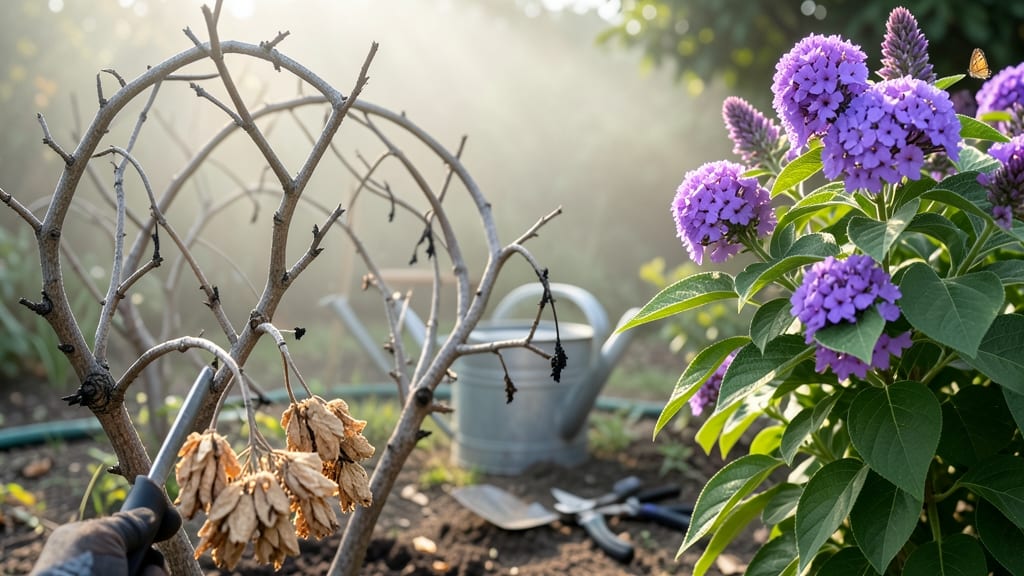
Your butterfly bush looks dead, but there's still hope. ✨ I've nursed back more of these plants than I can count—even when they seemed beyond saving. The key is figuring out why it's struggling, because the fix depends entirely on the problem.
Most "dead" butterfly bushes are actually suffering from overwatering, underwatering, or winter damage. Check the stems: if they're soft and mushy, it's root rot. If they're dry and brittle, it's thirst.
And if the branches are bare but the plant is still alive, it might just need a hard prune to wake up. With the right approach, you'll see fresh green shoots within 2-3 weeks.
I've seen plants that looked completely done come back with vibrant new growth—sometimes even blooming that same season. The secret is acting fast and checking the roots. Here's how to diagnose and revive yours, step by step.
Hidden Culprits Behind Wilted Blooms
If your butterfly bush (Buddleia davidii) looks lifeless, don’t panic—it’s often a sign of underlying stress rather than irreversible damage. Understanding the root causes (literally and figuratively) is the first step to revival.
Below, we break down the most common reasons your plant might be struggling, complete with scientific explanations and actionable insights to diagnose the issue.
Butterfly bushes are drought-tolerant natives to dry, rocky slopes in Asia—yet many gardeners accidentally drown them with well-intentioned (but excessive) watering. Overwatering triggers:
- Root rot: Fungal pathogens like Phytophthora thrive in waterlogged soil, suffocating roots and cutting off nutrient uptake. Symptoms include yellowing leaves, mushy stems, and a foul odor at the base.
- Oxygen deprivation: Compacted or clay-heavy soil traps water, starving roots of essential aeration. Without oxygen, roots can’t absorb water or nutrients efficiently, leading to wilting.
- Nutrient leaching: Excess water washes away vital minerals (like nitrogen and potassium), leaving the plant malnourished despite moist soil.
How to check: Stick your finger 2–3 inches into the soil. If it’s soggy after 24 hours of no rain, you’re overwatering. Fix it:
- Amend soil with perlite or sand (20–30%) to improve drainage.
- Water deeply but infrequently—aim for 1–1.5 inches per week (less in winter).
- Ensure pots have drainage holes and elevate them to prevent water pooling.
💡 Pro Tip: If your bush is already rotting, trim away black/mushy stems with sterilized pruners and repot in fresh, dry soil.
While butterfly bushes love dry conditions, prolonged drought or scorching heat can push them past their limits. Signs of thirst include:
- Drooping leaves: Cells lose turgor pressure (water-filled rigidity) when dehydrated.
- Curling or crispy edges: A survival mechanism to reduce water loss via transpiration.
- Premature leaf drop: The plant sheds foliage to conserve energy, often leaving bare stems.
Why it happens: Butterfly bushes store water in their succulent-like stems, but extreme heat (above 90°F/32°C) increases evaporation rates faster than roots can replenish. Soil moisture drops below 30%—the threshold where roots struggle to absorb water.
Fix it:
- Water slowly and deeply (10–15 minutes per zone) to encourage root growth.
- Mulch with 2–3 inches of wood chips or straw to retain moisture and regulate soil temperature.
- Avoid watering in peak sun (10 AM–4 PM) to reduce evaporation.
✨ Expert Hack: Group butterfly bushes with drought-tolerant companions like lavender or Russian sage to create a microclimate with shared moisture.
Butterfly bushes are light feeders, but poor soil can starve them into dormancy. Common deficiencies include:
| Symptom | Likely Cause | Solution |
|---|---|---|
| Yellow leaves (especially older ones) | Nitrogen deficiency (chlorosis) | Apply balanced fertilizer (10-10-10) in early spring. |
| Purple or red stems/leaves | Phosphorus deficiency (stress response) | Use a bone meal or compost tea for phosphorus. |
| Weak, sparse growth | Potassium deficiency (poor root health) | Add wood ash or greensand to soil. |
| Stunted new growth | Micronutrient lack (iron, magnesium) | Use chelated iron or Epsom salt (magnesium sulfate). |
Why it happens: Butterfly bushes thrive in well-draining, slightly alkaline soil (pH 6.0–7.5). Compacted or nutrient-depleted soil (common in urban gardens) locks out essential minerals. Over-fertilizing with high-nitrogen products can also burn roots, worsening the problem.
Fix it:
- Test soil pH with a home kit and amend with lime (to raise pH) or sulfur (to lower it) if needed.
- Top-dress with compost or aged manure in early spring for a slow-release nutrient boost.
- Avoid synthetic fertilizers in summer—they encourage soft growth susceptible to heat stress.
🔥 Quick Test: If leaves feel brittle or hollow, it’s a sign of chronic malnutrition. Revive with a foliar spray of seaweed extract for instant hydration and micronutrients.
Hidden invaders can sap your butterfly bush’s vitality overnight. Watch for:
- Spider mites: Tiny yellow webs on undersides of leaves + stippled, pale foliage.
- Aphids: Sticky residue (honeydew) on leaves and new growth.
- Powdery mildew: White, talcum-like fungus on stems (thrives in humid, shaded conditions).
- Canker diseases: Sunken, oozing wounds on stems (often from Botryosphaeria fungus).
Why it happens: Butterfly bushes are resistant but not immune to pests, especially when stressed (e.g., after drought or overwatering). Weakened plants attract sap-sucking insects, which inject toxins that disrupt photosynthesis. Fungal spores also latch onto damaged tissue.
Fix it:
- Blast off pests with a strong spray of water or use neem oil (1 tbsp per gallon of water).
- Prune infected branches 6 inches below damage and dispose of clippings in the trash (not compost).
- Improve airflow with spaced pruning and avoid overhead watering.
- For mildew, apply baking soda spray (1 tsp baking soda + 1 quart water + drop of soap).
🎯 Prevention:
Your butterfly bush isn’t necessarily a lost cause—it just needs the right care to bounce back! Whether it’s struggling with overwatering, nutrient deficiencies, or pests, these step-by-step solutions will help you nurse it back to health. Let’s get started! Before diving into fixes, identify what’s wrong. Check for: - Yellowing leaves? → Likely overwatering or poor drainage. - Brown, crispy edges? → Underwatering or heat stress. - Wilted stems or no new growth? → Root rot or pest damage. - Few to no flowers? → Over-fertilization or lack of sunlight. Quick Fix: Grab a small trowel and gently dig around the base to inspect the roots. Healthy roots are firm and white; mushy or black roots mean root rot (see Step 2). Here’s how to tackle the most common issues: Signs: Soft, mushy stems, yellow leaves, foul smell at the base. How to Fix It: Prevention Tip: 🌡️ Butterfly bushes hate soggy feet! Water deeply but infrequently, and avoid planting in low-lying areas where water pools. Signs: Crispy, brown leaf edges, wilting despite moist soil. How to Fix It: 1. Water thoroughly—soak the soil until water drains from the bottom (for potted plants). Pro Tip: 💡 Morning watering is best! Water early to reduce evaporation and give roots time to absorb moisture before the heat kicks in. Signs: Sticky residue on leaves, tiny webs, or visible bugs. How to Fix It: 1. Blast pests off with a strong stream of water (🚿) or a hose nozzle. Prevention Tip: ✨ Keep your butterfly bush healthy! Strong plants resist pests better—fertilize lightly (once in spring, once in summer) with a balanced 10-10-10 formula. Signs: Pale yellow leaves (nitrogen deficiency), stunted growth, or burnt leaf tips (over-fertilization). How to Fix It: 1. Flush the soil—water heavily to leach out excess salts if over-fertilized. Feeding Schedule: Once your butterfly bush is stable, pruning helps stimulate fresh blooms and a bushier shape. Pro Tip: 🎯 Prune for airflow! Thin out crowded branches to prevent fungal diseases and pests. Final Thought: Patience is key—your butterfly bush may take 2–4 weeks to show signs of recovery. Keep an eye on it, adjust care as needed, and soon you’ll be enjoying vibrant blooms and fluttering butterflies again! 🦋🌸 This is often caused by winter dieback or environmental stress. Butterfly bushes are semi-deciduous and may drop leaves in cold weather, but if they look completely dead, check for root rot from overwatering or drought stress from last summer. Many bushes survive harsh winters but need a hard prune in spring to wake up. Gently scratch the bark on a young stem—if it's green underneath, the plant is alive! Check for new buds at the base or along branches. If stems are completely dry and brittle with no green, it may be dead. For in-ground plants, dig up a small section to inspect roots (healthy roots are white/firm, not black/mushy). Prune back all dead branches to healthy green wood, then cut another 1/3 of the plant to stimulate new growth. For severely damaged bushes, you can even prune down to 6-12 inches from the ground—it will regrow from the base. Do this in early spring before new growth starts. Avoid heavy pruning in fall, as it reduces winter hardiness. With proper care, you should see new green shoots within 2-4 weeks. If you've corrected watering issues and pruned properly, expect full recovery in 6-8 weeks. Be patient—some bushes take until late spring to fully bounce back, especially after winter damage. Monitor for new leaves and buds as your progress indicator. Only replace it if you've tried all recovery methods (proper pruning, soil amendment, pest control) for 6 months with no improvement. If the roots are completely rotted or the plant shows no signs of life after spring, it's better to remove it to prevent disease spread. Choose a sunny location with well-draining soil for your replacement.Reviving Your Butterfly Bush in 3 Steps
💦 Overwatering or Root Rot
☀️ Underwatering or Heat Stress
🐛 Pest Infestation (Aphids, Spider Mites, or Whitefly)
🌿 Nutrient Deficiency (Too Much or Too Little Fertilizer)
Season Action Spring Light fertilizer (½ strength) Summer Optional light feeding if needed Fall/Winter No fertilizer—let it rest!
Frequently asked questions
Why does my butterfly bush suddenly look dead when it was fine last year?
How can I tell if my butterfly bush is actually dead or just dormant?
Will pruning a "dead" butterfly bush help it recover?
How long does it take for a butterfly bush to show signs of recovery?
Should I replace my butterfly bush if it doesn't recover?