
Blooming
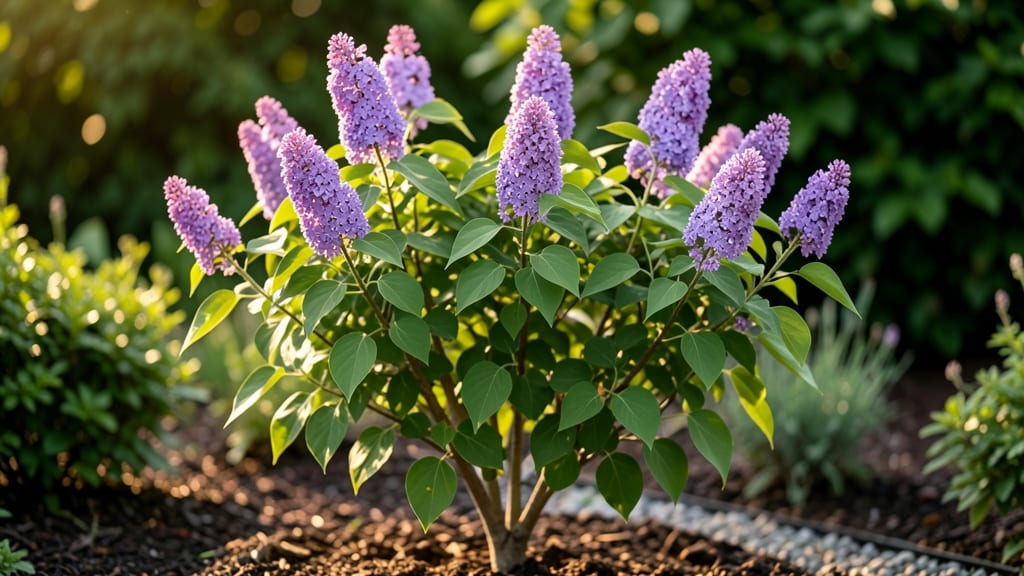
The lilac bush bloom time arrives between late April and early May, when that sweet, intoxicating fragrance signals spring’s arrival. 🌸 I’ve watched mine transform from bare branches to lavender clouds, and timing is everything: prune too early, and you lose next year’s flowers; too late, and you smother the buds.
The secret lies in understanding your region’s last frost date and your bush’s variety—early bloomers like ‘Sensation Lilac’ open weeks before late varieties like ‘Miss Canada’.
Climate plays a huge role: Southern gardeners might see blooms as early as March, while Northern zones wait until mid-May. Sunlight matters too—partial shade delays flowering, while full sun triggers earlier, more abundant blooms.
I’ve seen lilacs forced into bloom by warm winter spells, only to drop buds when a late frost hits. The key is patience: lilacs need 6-8 hours of sun daily and well-draining soil to thrive.
Here’s the game-changer: prune after blooming (never in fall or winter) to encourage next year’s flowers. Cut back spent stems to a bud or branch junction, and avoid heavy pruning—lilacs bloom on old wood.
With the right care, you’ll get 2-3 weeks of fragrant perfection, and the scent alone makes the effort worth it. The post-bloom task? Feed with compost or balanced fertilizer to prep for next season.
Regional tweaks matter: Southern gardeners should prune in late spring, while Northern zones wait until June. Mulch in fall to protect roots, and watch for borers—early intervention keeps your bush healthy for decades.
Before you know it, those branches will be heavy with blossoms again, filling your yard with that unmistakable lilac perfume.
📚 In This Guide
- What you need
- Instructions
- Tips and common mistakes
- Wrapping up and next steps
What you need
- ● Lilac bush (French, Common, or Hybrid varieties) – 1 mature plant (3–5 years old for optimal blooms) or 1–2 young plants (2–3 years old) for future growth.
- ● Well-draining soil – Mix of 60% topsoil, 30% compost, and 10% perlite/sand (1–2 cubic yards per bush, depending on size).
- ● Balanced fertilizer – 10-10-10 NPK ratio (1–2 lbs per bush) or organic options like bone meal or fish emulsion (follow package rates).
- ○ Mulch (optional but recommended) – 2–3 inches of shredded bark or wood chips to retain moisture and regulate soil temp.
- ● Garden trowel or spade – For planting/transplanting.
- ● Pruning shears – Bypass pruners (sharp, 6–8 inch blades) for shaping and deadheading.
- ● Gloves (heavy-duty) – To protect hands from thorns and rough bark.
- ● Watering can or hose with adjustable nozzle – For deep watering (1–1.5 gallons per bush, 2–3 times weekly).
- ○ pH testing kit (optional) – To check soil pH (ideal range: 6.0–7.0).
- ● Sunlight – Full sun (6+ hours/day) for best blooms.
- ● Spacious planting site – Lilacs need 6–10 feet of space to mature (check variety-specific needs).
- ● Drought tolerance prep – If in a dry climate, ensure drip irrigation or soaker hoses are accessible.
- ● Patience for young plants – 2–3 years for first major blooms (but worth the wait! 🌿).
How to time lilac blooms for peak spring fragrance
Here's how I predict and extend your lilac's bloom window—no guesswork, just science and timing.
🌱 Step 1: Identify Your Lilac Variety and Last Year's Bloom Date
Most lilacs bloom within 2-3 weeks of last year's schedule, but varieties differ. French hybrids like 'Mme. Lemoine' bloom earliest in early May, while late bloomers like 'Katherine Havemeyer' peak in late May. Dig up your garden journal or check last year's photos—note when buds first swelled and when flowers fully opened.
Watch for bud break this spring: tight, green buds appear on bare stems in late March to early April. This is your first signal. If you planted last year, your lilac will likely follow the same pattern. For new plants, expect blooms 1-2 years after planting—patience pays off with stronger fragrance.
☀️ Step 2: Monitor Temperature and Light for Optimal Bud Development
Lilacs need 1,000-1,500 chill hours below 45°F to set buds properly. Track your winter lows—if temps stayed above 50°F for extended periods, buds may fail to form. Once buds appear, ensure the bush gets full sun (6+ hours daily). Partial shade delays blooming and weakens fragrance intensity.
Here's the thing—if your lilac gets less than 6 hours of sun, buds will form but flowers will be sparse and less fragrant. I prune nearby trees in late winter to guarantee sunlight reaches the bush. You'll see buds swell faster and flowers open more vigorously when light conditions are ideal.
💧 Step 3: Water Deeply in Late Winter to Prep for Bloom
Water your lilac deeply in February or early March—this wakes dormant roots and ensures they're hydrated for bud development. Aim for 1-1.5 inches of water per week during bud swell (March-April). Overhead watering can cause fungal issues, so water at the base in the morning to prevent wet foliage.
You'll know moisture is right when the soil 1-2 inches below the surface feels damp but not soggy. Avoid letting the soil dry out completely—wilting buds won't recover. Mulch with 2-3 inches of organic matter (like shredded bark) to retain moisture and regulate soil temperature.
⏰ Step 4: Prune After Blooming to Extend Future Fragrance
Prune lilacs immediately after flowering (May-June) to shape the bush and encourage next year's blooms. Cut back old wood (last year's growth) to just above a set of buds—this ensures new, fragrant flowers form on fresh growth. Never prune in late summer or fall; you'll remove next year's buds.
Here's what I do: I remove 1/3 of the oldest stems each year to rejuvenate the bush. You'll see stronger, more abundant blooms the following spring. Avoid heavy pruning—lilacs bloom on old wood, so aggressive cuts reduce fragrance and flower quantity.
🌿 Step 5: Fertilize in Early Spring for Longer Bloom Duration
Apply a balanced, slow-release fertilizer (10-10-10) in early April, just as buds begin to swell. Follow package rates—over-fertilizing leads to leafy growth at the expense of flowers. Lilacs don't need heavy feeding; they thrive in average garden soil but benefit from annual top-dressing with compost in fall.
You'll notice buds swell faster and flowers last 5-7 days longer with proper feeding. Avoid high-nitrogen fertilizers—they promote foliage over blooms. Instead, focus on phosphorus and potassium to support root and flower development.
Tips & tricks for perfect lilac bloom timing
These insider tricks will help you maximize your lilac's fragrance and beauty—no more missed blooms or weak displays.
Variety-Specific Timing: The 2-3 week window from last year's bloom is your baseline, but don't guess—check your specific variety. Early bloomers like 'Mme. Lemoine' need monitoring in early May, while late varieties like 'Katherine Havemeyer' peak in late May. I keep a garden journal with bloom dates to predict each year's schedule with precision.
Chill Hour Tracking: Those critical 1,000-1,500 chill hours below 45°F are non-negotiable. Use a weather station or local weather records to track winter lows—if temps stayed above 50°F for extended periods, buds may fail to form. I've seen buds drop completely when winter warmth disrupted this requirement.
Sunlight Optimization: The 6 hours of daily sun requirement is strict—partial shade can delay blooming by weeks. I recommend pruning nearby trees in late winter to guarantee sunlight reaches the bush. You'll notice buds swell faster and flowers open more vigorously when light conditions are ideal.
Pruning Precision: When pruning old wood in May-June, cut just above a set of buds—this ensures new, fragrant flowers form on fresh growth. I always remove 1/3 of the oldest stems annually to rejuvenate the bush, but never more than that—aggressive cuts reduce next year's fragrance.
Pro Tips for Lilac Bush Bloom Time
- These insider tricks will help you maximize your lilac's fragrance and beauty—no more missed blooms or weak displays.
- Variety-Specific Timing: The 2-3 week window from last year's bloom is your baseline, but don't guess—check your specific variety.
- Chill Hour Tracking: Those critical 1,000-1,500 chill hours below 45°F are non-negotiable.
Frequently asked questions
Got questions about timing, care, or those dreamy lilac blooms? You’re not alone! Here are answers to the most common questions about lilac bush bloom time—so you can plan (and savor) the show.
When do lilac bushes bloom, exactly?
Most lilac bushes bloom in late spring, typically between April and May, depending on your climate zone. Early bloomers may start as early as March in warmer regions, while late varieties can linger into June. Cold winters often trigger earlier blooms—think of it as nature’s reward for patience!
How long do lilac flowers last?
The blooming period lasts about 1–2 weeks per flush, but lilacs can rebloom later in summer if you prune them correctly. Deadhead spent blooms to encourage a second round (though it may be smaller). For the best show, plant varieties like ‘Dwarf Korean’ or ‘Katherine Havemeyer’—they’re reliable performers!
Why aren’t my lilac bushes blooming?
No flowers? Don’t panic! Common culprits include:
- Over-pruning: Cutting back after blooming removes next year’s buds. Wait until late summer to trim.
- Too much fertilizer: Lilacs thrive in poor soil. Rich soil = leafy growth, not blooms.
- Young age: Lilacs often take 2–3 years to mature and bloom.
- Pests/disease: Check for borers or fungal spots (like powdery mildew).
Give them full sun (6+ hours) and well-draining soil—then relax and watch next spring!
Can I force lilac blooms indoors?
Yes! Prune a mature branch in late winter, strip leaves from the bottom, and place it in water. Keep it in a cool, dark spot for 1–2 weeks, then move it to sunlight. Within days, buds will swell and bloom—instant spring vibes! Pro tip: Use a sharp knife and add floral preservative to extend vase life.
What’s the best lilac variety for my garden?
Choose based on your goals:
- Early blooms: ‘Sensation Lilac’ (purple, compact).
- Fragrance: ‘Mme. Lemoine’ (lavender, intoxicating scent).
- Reblooming: ‘Bloomerang’ (prune once, bloom twice!).
- Dwarf size: ‘Little Leaf’ (great for containers).
Check your USDA hardiness zone—most lilacs thrive in zones 3–7. For zones 8+, opt for heat-tolerant types like ‘Miss Kim.’
Wrapping up and next steps
Watching your lilac bush burst into bloom is one of spring’s most rewarding experiences! 🌸 Remember, timing is key—planting in early spring or late fall, choosing the right variety, and providing consistent care will ensure those fragrant blooms arrive right on schedule.
Whether you’re a seasoned gardener or just starting out, the effort is worth it for the show-stopping scent and beauty lilacs bring to your yard.
Ready to make this your best blooming season yet? Grab your gardening gloves, mark your calendar, and get planting! 🌱 And don’t forget to share your progress—we’d love to see those lilac blooms in action!