
Picking
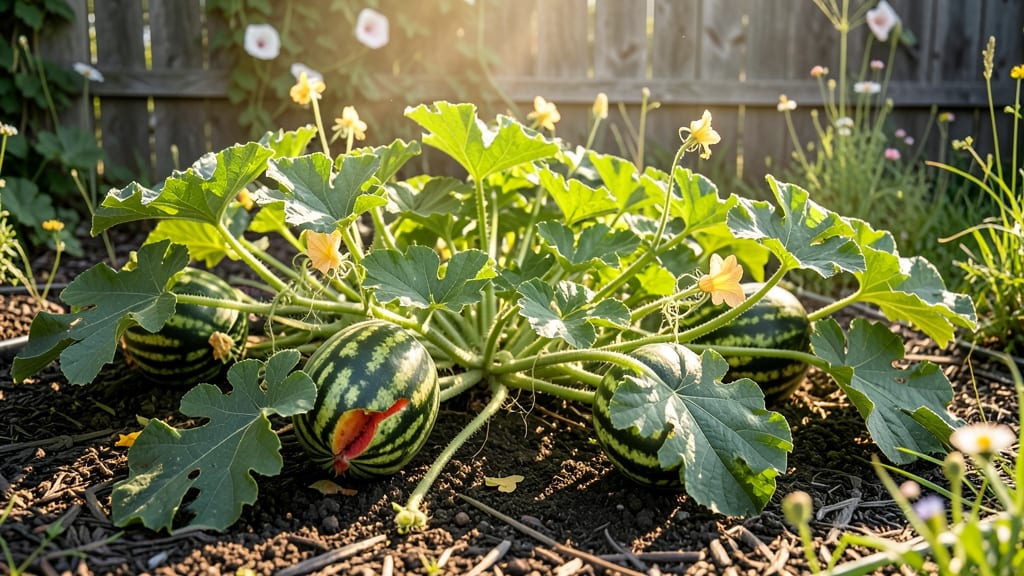
Growing Jubilee bush watermelons means sweet, compact harvests without the sprawl of traditional vines. 🌱 I learned the hard way—my first attempt took over half my garden until I discovered this variety’s secret: it stays tidy while producing 10-pound melons.
The key is patience and the right setup, and I’ll show you exactly how to get there.
These melons thrive in well-draining soil with 6-8 hours of sun daily, but they’re forgiving about heat—perfect for hot climates or containers. Space plants 2-3 feet apart (they’re bush-type, not runners) and mulch heavily to keep roots cool.
Water deeply twice a week once vines start spreading, but avoid soggy soil—their worst enemy.
By mid-summer, you’ll spot those classic striped tendrils and hear the telltale thump of ripe melons. The secret to flavor? Let them stay on the vine until the tendril nearest the fruit turns brown—no guessing, no bitter surprises.
One plant can yield 4-6 melons, and the taste? Crisp, juicy, and sweeter than store-bought.
Works in zones 4-11, from cool mountain gardens to scorching deserts. Whether you’re a space-challenged urban gardener or a backyard grower, Jubilee’s compact habit makes it the easiest way to grow watermelons—no sprawl, no fuss, just sweet rewards.
📚 In This Guide
- What you need
- Instructions
- Tips and common mistakes
- Wrapping up and next steps
What you need
- ● Jubilee Bush Watermelon Seeds – 3–5 seeds per plant (or 1 seed per container if planting individually).
- ● Well-draining potting mix – 2–3 cubic feet for in-ground planting or a 5-gallon container per plant for container growing.
- ● Compost or organic fertilizer (5-10-10 or balanced 10-10-10) – 1–2 cups per plant at planting time.
- ● Mulch (straw, wood chips, or black plastic) – Enough to cover soil around plants (2–3 inches thick).
- ● Drip irrigation or soaker hose – For consistent moisture without overwatering.
- ○ Trellis or small stakes (optional but helpful) – 1–2 stakes per plant (18–24 inches tall) to support vines if needed.
- ● Garden trowel or transplanting spade – For digging holes (6–8 inches deep).
- ● Gloves – To protect hands while handling soil and seeds.
- ● Watering can or hose with adjustable nozzle – For gentle watering.
- ○ Pruning shears – To trim excess vines or dead leaves (optional but useful).
- ● Sunny location – At least 6–8 hours of full sun daily (critical for sweet fruit!).
- ● Warm soil temperature – Wait until soil is 70°F+ before planting (use a soil thermometer if unsure).
- ● Row covers or shade cloth – To protect young plants from pests or harsh sun.
- ● Epsom salt – 1 tablespoon per plant mid-season for magnesium boost.
- ● Harvest basket or pruning knife – For cleanly cutting ripe melons from the vine.
- ● Garden journal – To track planting dates, watering, and growth progress!
Step-by-Step instructions for growing Jubilee bush watermelons
Here's how to coax these compact, high-yielding vines into producing sweet fruit without sprawling chaos.
🌱 Step 1: Select the Perfect Planting Site and Prep Soil
Jubilee bush watermelons thrive in full sun—at least 8 hours daily—and warm soil. Choose a location that gets afternoon sun exposure, as the vines appreciate the heat to ripen fruit quickly. I always test soil temperature with a thermometer; it should be 70°F or warmer before planting.
Amend your soil with 2-3 inches of compost mixed into the top 12 inches of soil. Jubilee vines are compact but still need loose, well-draining soil to prevent rot. If your soil is heavy clay, add a 50/50 mix of compost and perlite to improve drainage. Work the amendments in a week before planting to let beneficial microbes establish.
🌿 Step 2: Plant Seeds or Transplants at the Right Time
Start seeds indoors 4-6 weeks before the last frost in biodegradable pots, or wait until soil is 60°F+ to direct-sow outdoors. Jubilee bush watermelons are sensitive to cold, so never plant until nighttime temperatures stay above 55°F. I like to use a soil thermometer to confirm readiness—it’s the most reliable way to avoid stunted growth.
Plant seeds 1 inch deep, spacing them 6 inches apart in rows 3 feet apart. If using transplants, space them 18-24 inches apart to give roots room to establish. Thin seedlings to the strongest one per spot once they develop 2-3 true leaves. This prevents overcrowding and ensures each vine gets enough nutrients.
💧 Step 3: Water Deeply and Maintain Consistent Moisture
Watermelons need 1-2 inches of water weekly, but Jubilee bush varieties are slightly drought-tolerant once established. Water deeply at the base of the plant—avoid wetting leaves to prevent fungal diseases like powdery mildew. I use a soaker hose for this step, as it delivers water slowly and reduces evaporation.
Monitor soil moisture by sticking your finger 2 inches deep—if it feels dry, water again. During fruit development, keep soil evenly moist but not soggy. Overwatering can split the fruit or cause blossom-end rot. Mulch with 2-3 inches of straw or black plastic to retain moisture and suppress weeds, which compete for water.
☀️ Step 4: Fertilize and Support for Maximum Yield
Feed plants with a balanced fertilizer (10-10-10) at planting, then again when vines start running. Jubilee bush varieties produce heavily, so they need extra nutrients. I switch to a low-nitrogen, high-potassium fertilizer (5-10-10) once flowers appear to encourage fruit set over leafy growth.
Use small cages or individual stakes to support vines as they grow. Jubilee bush watermelons stay compact but can still get top-heavy with fruit. I tie vines loosely to stakes with soft plant ties to prevent damage. Prune any lateral runners that exceed 2-3 feet to keep energy focused on fruit production. This also improves air circulation, reducing disease risk.
⏰ Step 5: Harvest at Peak Ripeness for Best Flavor
Jubilee bush watermelons mature in 70-85 days, but don’t rush harvesting. Wait until the tendril nearest the fruit turns brown and dry—that’s your cue. I also check the underside of the melon for a creamy yellow patch where it rested on the ground; this indicates full ripeness.
Use a sharp knife or pruners to cut the stem, leaving 1 inch of stem attached to the fruit. Harvest in the morning when temperatures are cooler to preserve sweetness. Store melons in a 50-55°F space with good airflow—they’ll keep for 2-3 weeks if not refrigerated. For immediate eating, enjoy within 3-5 days for peak flavor.
Tips & tricks for perfect Jubilee bush watermelon growth
Real talk: Growing these compact vines right comes down to a few key details that most gardeners overlook. These tricks will help you avoid the most common pitfalls and maximize your harvest.
Soil Temperature is Non-Negotiable: That 70°F minimum soil temperature in Step 1 isn't just a suggestion—it's the difference between thriving plants and stunted growth. I've planted Jubilee bush watermelons in 65°F soil and watched them struggle for weeks. Invest in a soil thermometer ($15 at garden centers) and wait for that exact temperature before planting. The roots simply won't establish properly below 70°F, and cold stress makes plants vulnerable to disease.
Spacing Matters More Than You Think: The 18-24 inch spacing for transplants in Step 2 might seem generous, but trust me on this—crowded plants produce smaller, less flavorful fruit. I once planted Jubilee bush watermelons 12 inches apart to save space, and while they survived, the melons were only half the size. Give those roots room to spread, and you'll get properly sized fruit with better sugar development. The compact vines won't sprawl everywhere if they have proper spacing.
Fertilizer Timing is Everything: Switching to that 5-10-10 low-nitrogen fertilizer when flowers appear (Step 4) isn't just about the numbers—it's about redirecting the plant's energy. Too much nitrogen at this stage will give you lush foliage but no fruit. I've seen gardeners keep using 10-10-10 through flowering, and their plants just kept producing leaves instead of melons. The potassium boost helps with fruit development and disease resistance too.
Harvest Cues Aren't Just About the Tendril: While that brown tendril in Step 5 is the classic sign, I've found the creamy yellow patch on the underside is even more reliable for Jubilee bush varieties. This "ground spot" develops as the melon matures and contains enzymes that break down starches into sugars. I've harvested melons with brown tendrils that were still bland—always check for that yellow patch too. And yes, tap the melon: a deep, hollow sound means it's ripe.
Pro Tips for Jubilee Bush Watermelon
- Real talk: Growing these compact vines right comes down to a few key details that most gardeners overlook.
- Soil Temperature is Non-Negotiable: That 70°F minimum soil temperature in Step 1 isn't just a suggestion—it's the difference between thriving plants and stunted growth.
- Spacing Matters More Than You Think: The 18-24 inch spacing for transplants in Step 2 might seem generous, but trust me on this—crowded plants produce smaller, less flavorful fruit.
Frequently asked questions
Got questions about growing Jubilee Bush watermelons?
You’re not alone! Here are some of the most common queries—plus quick, practical answers to help you crush your harvest.
How long does it take for Jubilee Bush watermelons to mature?
Jubilee Bush watermelons typically mature in 70–80 days from transplanting (or 85–95 days from seed). Since they’re compact and fast-growing, they’re perfect for small gardens or containers! Monitor vines for male flowers first—once you spot a female (with a tiny watermelon at the base), count back 30–35 days for harvest.
What’s the best temperature range for growing Jubilee Bush watermelons?
These melons thrive in warm soil (70–90°F) and air temperatures. Avoid planting until nighttime temps stay above 55°F—cold snaps can stunt growth. If you’re in a cooler climate, use black plastic mulch or a cold frame to speed up soil warming. Pro tip: Jubilee Bush varieties handle heat better than many heirlooms, making them ideal for summer gardens!
Can I grow Jubilee Bush watermelons in containers?
Their bush (not vining) habit makes them container-friendly. Use a 5-gallon pot or larger (at least 12–18 inches deep) with drainage holes. Fill with well-draining potting mix, and place in full sun (6+ hours daily). Just ensure the container stays stable—mature melons can weigh 10–15 lbs!
Why aren’t my Jubilee Bush watermelons ripening?
Common culprits include inconsistent watering (too much or too little), poor pollination (hand-pollinate with a paintbrush if bees are scarce), or nutrient deficiencies (add compost or a balanced fertilizer mid-season). Also, check for powdery mildew on leaves—spray with neem oil if needed.
What’s a good alternative if I can’t find Jubilee Bush seeds?
Try these bush-type watermelon varieties for similar ease:
- Sugar Baby – Sweet, small, and classic.
- Tiny Tim – Compact and early-maturing.
- Crimson Sweet – Disease-resistant and prolific.
Wrapping up and next steps
Growing Jubilee Bush watermelons is a rewarding journey that brings sweet, juicy rewards to even the smallest of spaces! With their compact vines and reliable harvests, they’re perfect for beginners and seasoned gardeners alike.
Whether you’re planting in containers or garden beds, these little powerhouses prove that big flavor doesn’t need big space.
Ready to crush your next harvest? Grab your seeds, pick a sunny spot, and let these vines do the work—your taste buds (and Instagram feed) will thank you! 🌱🍉