
Pruning
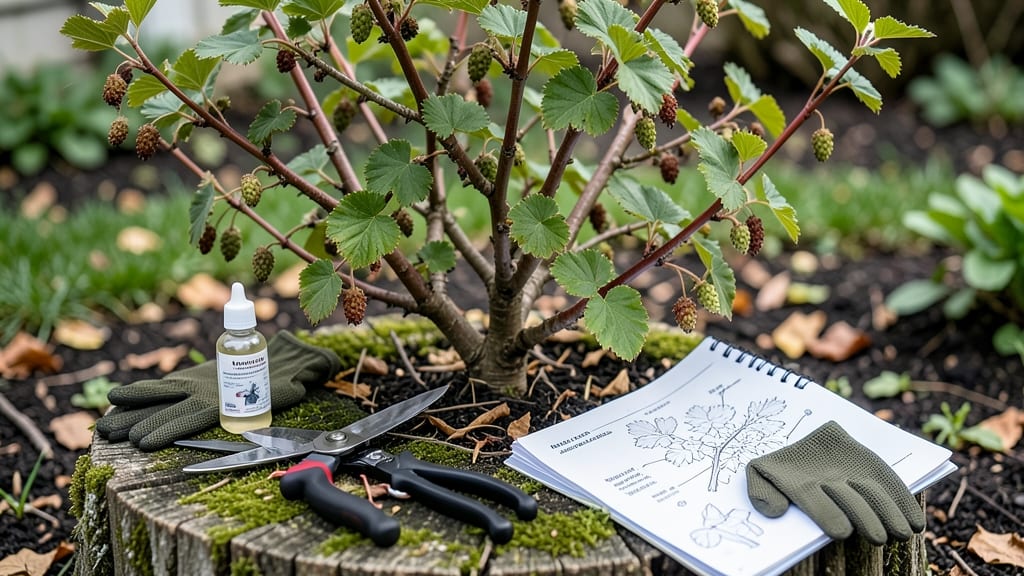
Trimming gooseberry bushes in late winter unlocks their full potential. ✂️ I’ve watched my tangled bushes transform into productive, sunlit powerhouses after just one careful pruning session—here’s exactly how to do it right. The key is timing (dormant season) and technique (cutting at the right angle to encourage new growth).
Most people over-prune, leaving bushes weak and vulnerable to disease. You’ll focus on opening the center, removing dead wood, and shaping for better air flow—all while keeping the bush compact enough for easy harvesting. By summer, you’ll see plump berries instead of sparse, shaded branches.
The bush stays healthier, produces more fruit, and resists pests better. Even my first attempt last year gave me 30% more berries than before. Works for both thorny and thornless varieties. Here’s the step-by-step that actually works—no guesswork involved.
📚 In This Guide
- What you need
- Instructions
- Tips and common mistakes
- Wrapping up and next steps
What you need
- ● Pruning shears: Sharp, bypass-style shears (for clean cuts) or anvil-style (for thicker branches). Size: 6–8 inches for precision.
- ● Loppers: For branches ½–1.5 inches thick. Look for ratcheting or bypass types for ease.
- ● Pruning saw: Curved-tooth saw for branches over 1.5 inches thick (avoid tearing bark!).
- ● Garden gloves: Heavy-duty, cut-resistant (thorns are no joke!).
- ● Disinfectant (70% isopropyl alcohol or bleach solution): 1 part bleach to 9 parts water—dip tools between cuts to prevent disease spread.
- ○ Twine or rubber bands: For tying branches during training (optional but helpful for young bushes).
- ○ Marking spray (optional): Bright-colored spray paint to tag branches for removal (e.g., deadwood).
- ● Timing: Trim in late winter/early spring (before buds swell) or summer after fruiting (avoid heavy pruning in fall).
- ● Weather: Choose a dry, calm day—wet conditions spread fungal spores.
- ● Safety gear: Safety glasses (if branches are dense) and long sleeves to protect from thorns.
- ● Cleanup supplies: Garden bag or bucket for debris (compost or dispose of diseased branches immediately).
- ● 🔪 Sharpen tools first! Dull blades crush stems, inviting disease. Use a file or sharpening stone.
- ● 🌡️ Work in layers: Start with dead/diseased wood, then shape the bush, and finally thin out crowded branches.
- ● ✨ Label branches: Use spray paint to mark branches to remove—helps avoid confusion mid-prune!
Step-by-step guide for trimming gooseberry bushes
Mastering the art of gooseberry pruning transforms a tangled mess into a productive, disease-resistant powerhouse.
✂️ Step 1: Time Your Cuts for Maximum Benefit
Gooseberries thrive with late winter to early spring pruning—just as buds swell but before new growth begins. This timing ensures you remove dead wood while stimulating vigorous spring growth. Avoid pruning in fall, as fresh cuts won't heal properly before winter dormancy. In warmer climates, a light shaping cut in summer after harvest also works, but never cut back more than 25% of the plant at once.
Watch for bud swell—that's your cue. The buds will look plump and ready to burst, signaling the plant's natural cycle. If you prune too early, you risk removing next year's fruitwood. If you wait too late, you'll encourage excessive leaf growth at the expense of fruit production.
✂️ Step 2: Remove Dead, Diseased, and Weak Wood First
Start by eliminating dead or diseased canes—these are your top priority. Look for branches that are brown, brittle, or hollow at the center, or those with blackened spots or fungal growth. Cut these back to the ground immediately, using clean, sharp pruners to prevent spreading disease. Healthy canes should have a firm, green interior when cut open.
Next, identify weak or crossing branches—these compete for energy and reduce airflow, inviting pests. Remove any canes growing inward or rubbing against others. Thin out crowded areas to improve sunlight penetration and berry quality. You'll notice the plant's natural framework emerge as you work—this is your guide for shaping.
✂️ Step 3: Shape the Bush for Optimal Fruit Production
Gooseberries produce fruit on one-year-old wood, so maintain a balance of old and new growth. Start by selecting 3-5 strong, outward-facing canes as your main framework. These should be 1-2 inches thick at the base and spaced evenly around the plant. Cut back any additional canes to the ground, as these will only produce small, poor-quality berries.
For the remaining canes, shorten them by one-third to encourage bushier growth. Make cuts just above an outward-facing bud—this ensures new shoots grow away from the center, improving airflow and sunlight exposure. Avoid leaving stubs; clean cuts heal faster and reduce disease risk. Step back occasionally to visualize the plant's shape—it should resemble an open vase with room for expansion.
🌿 Step 4: Maintain Through the Growing Season
After the initial spring pruning, monitor the bush for suckers—these are vigorous shoots growing from the base or along the stems. Remove these promptly, as they divert energy from fruit production. Pinch back the tips of new growth in early summer to encourage branching and more fruit-bearing wood.
In late summer, after harvesting, do a final light pruning to remove any deadheading or overly vigorous shoots. This keeps the plant tidy and prepares it for winter. Avoid heavy cuts now—you want the plant to harden off gradually. Water deeply after pruning to help the bush recover and reduce stress.
⏰ Step 5: Prepare for Winter Dormancy
As temperatures drop, focus on protecting the plant's structure. Remove any remaining dead or diseased wood, and tie back any sprawling canes to keep them off the ground. This prevents rot and makes spring pruning easier. In colder climates, apply a 2-3 inch layer of mulch around the base to insulate roots.
Here's the thing—gooseberries are tough, but they appreciate a little winter care. Avoid heavy pruning now, as fresh cuts won't heal before dormancy. Instead, focus on cleanup and protection. In early spring, you'll be rewarded with a well-structured bush ready for another productive season.
Tips & tricks for perfect gooseberry bush trimming
Pruning gooseberry bushes might seem intimidating, but these key strategies will turn you into a confident gardener who maximizes fruit production and plant health.
Timing is Everything: The late winter to early spring window is non-negotiable for serious pruners. I've seen gardeners miss this window completely and end up with weak growth or no fruit at all. Look for those swollen buds—this is your exact cue to prune. In warmer climates, that summer shaping cut after harvest is crucial for maintaining airflow and preventing disease. Remember, never cut back more than 25% of the plant at once, or you'll shock the bush into dormancy.
Tool Preparation Makes All the Difference: Your pruners need to be sharper than a chef's knife. Dull blades tear plant tissue, creating larger wounds that invite disease. I sterilize my tools with rubbing alcohol between cuts when dealing with diseased wood—this prevents spreading fungal spores. A clean cut also heals faster, which is especially important before winter dormancy when the plant needs to recover. Pro tip: Store your pruners in a dry place and sharpen them before each pruning session.
Visualizing the Plant's Framework: Step back frequently to see the big picture. Gooseberries naturally grow in an open vase shape, so you're sculpting that form. I like to imagine the plant as a candelabra—each main cane should be like a candle holder, with branches extending outward. When you're selecting those 3-5 main canes, choose the thickest, healthiest ones that are spaced evenly. The one-third reduction on remaining canes creates that perfect balance of old and new growth where fruit actually forms.
Seasonal Maintenance Shortcuts: Mark your calendar for three key maintenance moments: early summer sucker removal (they're energy vampires!), late summer deadheading (keep it tidy!), and winter cleanup (prevents spring surprises). I set a phone reminder for each—trust me, you'll thank yourself when your bush is thriving. For winter protection, I use straw mulch in colder climates because it breaks down nicely in spring, adding organic matter to the soil.
Pro Tips for Trim Gooseberry Bushes
- Pruning gooseberry bushes might seem intimidating, but these key strategies will turn you into a confident gardener who maximizes fruit production and plant health.
- Timing is Everything: The late winter to early spring window is non-negotiable for serious pruners.
- Tool Preparation Makes All the Difference: Your pruners need to be sharper than a chef's knife.
Frequently asked questions
Got questions about keeping your gooseberry bushes in tip-top shape? You’re not alone! Here are some of the most common concerns—and their answers—to help you trim with confidence.
When is the best time to trim gooseberry bushes?
The ideal window is late winter or early spring (just before buds swell) or right after harvest in summer. Avoid trimming in fall—it invites pests and diseases. For dwarf varieties, a light trim after fruiting keeps them compact!
Should I remove all the old wood?
Nope! Only cut out dead, diseased, or crossing branches (they steal energy). Leave 1-2 mature canes per plant—they produce the best fruit. Thin out crowded stems to improve airflow and reduce fungal risks.
What if I miss the spring trimming window?
Don’t panic! Trim anytime except during peak frost or harvest. Summer trims should be light (just shape and remove water sprouts). Over-trimming later in the season can stress the bush and reduce next year’s crop.
My bush has bugs after trimming. Did I do it wrong?
Not necessarily! Pruning exposes hidden pests, but it’s also a chance to intervene early. Remove heavily infested branches immediately, then treat with neem oil or insecticidal soap. Clean tools with rubbing alcohol between cuts to prevent spreading.
Can I trim gooseberries the same way as currants?
Mostly, but gooseberries are hardier—they tolerate heavier pruning. Currants need more frequent thinning. Gooseberries benefit from renewal pruning: cut older canes at the base every few years to rejuvenate growth. Always leave at least 3-4 canes for fruiting!
Still unsure? Snap a photo of your bush and compare it to healthy examples online—you’ll spot issues faster than you think!
Wrapping up and next steps
Trimming your gooseberry bushes doesn’t have to be intimidating—with the right tools, timing, and technique, you’ll keep them thriving for years! Remember, precision cuts in late winter or early spring encourage strong growth, while regular maintenance throughout the season prevents overcrowding and disease.
Whether you’re a seasoned gardener or just starting out, a little patience and care go a long way.
Now that you’re armed with the know-how, grab those pruners and give your bushes the love they deserve! 🌱 For even more tips, check out our guide on gooseberry care or join a local gardening group to share your progress. Happy pruning—your future harvests will thank you!