
Pruning
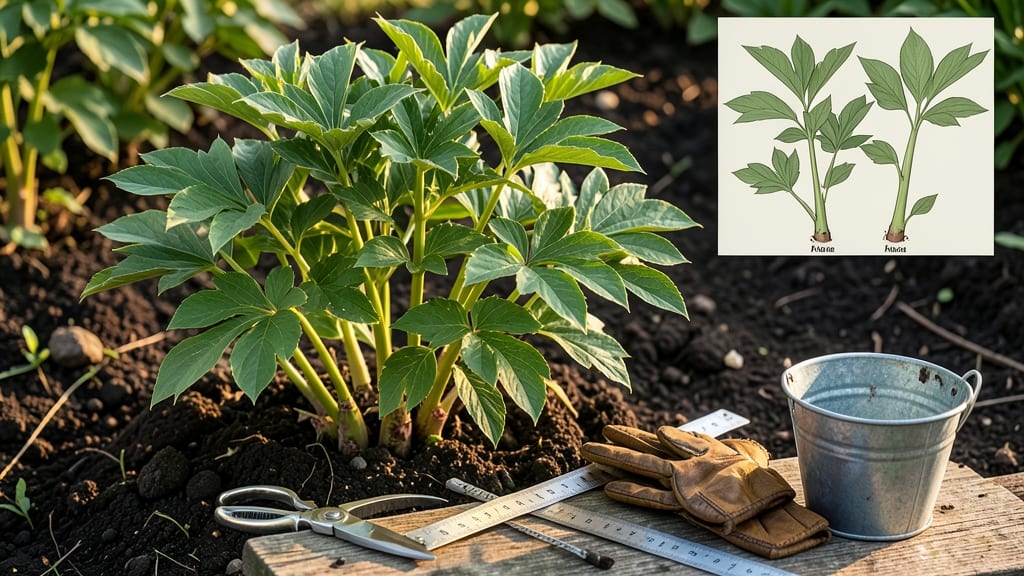
To prune a peony bush properly means cutting back stems at the right time and depth to unlock more vibrant blooms next season—without accidentally killing next year’s flowers.
Peony bushes burst with vibrant blooms—but without proper pruning, they’ll lose their luster and produce fewer flowers next year. That’s because timing and technique are everything: prune too early, and you risk frost damage; too late, and you risk smothering next year’s buds.
Most gardeners wait until late winter or early spring, but even then, the depth of your cuts matters. Cut too high, and you’ll lose blooms; too low, and you’ll damage the crown. I’ll walk you through the exact steps—plus common mistakes to avoid.
By the end, your peony will be healthier, stronger, and ready to reward you with a spectacular display of 🌸 come spring. Let’s get started.
When to prune peony bushes for maximum blooms (timing matters)
Peony bushes thrive when pruned at the right time, but timing is everything. Pruning too early can expose buds to late frost, while waiting too long risks smothering new growth.
The ideal window is late winter to early spring—just as the plant begins to stir from dormancy but before buds swell. This balance ensures your peony bursts with vibrant blooms next season.
Most gardeners in USDA Zones 3-8 should prune between February and March, but regional frost patterns shift this window. In colder climates (Zones 3-5), wait until after the last frost date—typically mid-April—to avoid frost damage to tender new shoots.
Warmer zones (6-8) can prune as early as January if no frost is forecasted.
Pruning at the wrong time can be disastrous. Cutting in fall or winter removes protective foliage, leaving buds vulnerable to freezing temperatures. Overly late pruning (after buds swell) stresses the plant and reduces bloom quality.
The key is to act quickly once old foliage dies back but before growth resumes.
For gardeners in Zone 3 or colder, mark your calendar for mid-April—this is when most regions see their last frost. Use a frost calendar for your area to avoid cutting too soon.
If you’re unsure, wait until you see green shoots emerging from the soil, but prune before buds swell beyond a pea-sized bump.
In warmer climates (Zones 7-8), you can prune as early as January, but check local frost forecasts. Even mild freezes can damage tender new growth. If your area has unpredictable frost, err on the side of caution and delay pruning until March.
Never prune when buds are swollen or blooming—this signals the plant to focus energy on flowers, not next year’s buds. A well-timed cut in late winter removes dead foliage while preserving the plant’s energy reserves for spring growth.
This simple step can double your bloom count in just one season.
After pruning, apply a 2-inch layer of mulch around the base to insulate roots and retain moisture. Water deeply if spring drought is forecasted. Your peony will reward you with larger, healthier blooms and a stronger root system for years to come.
Pro tip: Snap a photo of your peony’s bud formation in early spring. This helps you track growth and ensures you never prune too late. With the right timing, your peony will thrive for decades—some varieties live over 100 years with proper care! 🌸
How deep to cut peony stems: the right depth for healthy regrowth
Pruning peony stems to the correct depth is crucial for encouraging lush blooms while avoiding damage to the plant’s crown. The ideal cut depth ensures healthy regrowth without exposing the root system to disease or frost.
Most gardeners struggle with this step—cut too high, and you risk killing the plant; cut too low, and you’ll stunt future blooms.
Peony stems should be cut back to a height of 1-2 inches above the soil line. This allows the buds at the base to emerge while protecting the crown from rot or freezing.
The exact depth depends on whether your peony is herbaceous (dying back in winter) or tree peony (woody stems).
⚠️ Critical Cutting Depth Warning
Cutting peony stems too high (above 2 inches) risks exposing the crown to frost or rot. Cutting too low (below 1 inch) can damage dormant buds and reduce next year’s blooms. Always use clean, sharp pruners and make cuts at a 45-degree angle to prevent water pooling.
To identify dead vs. live stems, look for signs of green tissue just below the soil. Live stems will have a firm, green center when cut open, while dead stems will be hollow or brown.
Remove only the old, woody stems from last year—never cut into the current season’s growth.
If you accidentally cut too low, don’t panic. The peony’s crown is resilient, but avoid pruning again until late winter. Apply a 2-inch layer of mulch around the base to protect the exposed area from temperature swings. Over time, new shoots will emerge from the remaining buds.
For tree peonies, the process differs slightly. Prune after blooming by cutting back to the first healthy bud below dead wood. This encourages stronger branches and more abundant flowers. Always sterilize your tools with rubbing alcohol between cuts to prevent bacterial spread.
Mastering the right depth takes practice, but with patience, your peony will reward you with bigger, healthier blooms year after year. Start with just a few stems to test your technique before tackling the entire bush. 🌸