
How To
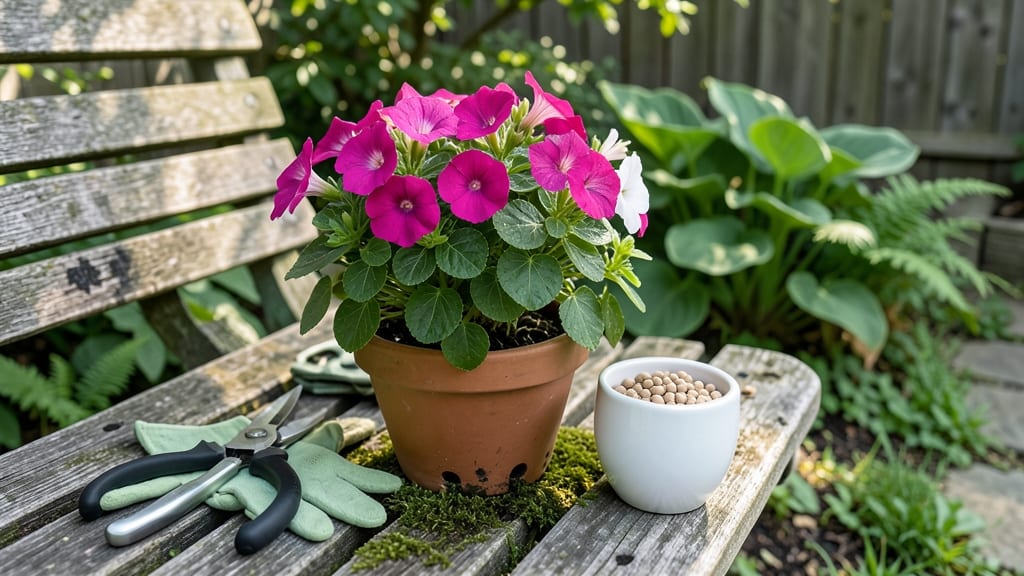
How to make impatiens bushy—pinching early turns leggy stems into lush, blooming bushes—here's how to do it right. 🌿 I've learned the hard way that skipping this step means sparse flowers and floppy plants by summer, but with the right timing and technique, your impatiens will look like they've been growing for years.
The secret is simple: snip just above a leaf node (where leaves grow) when plants are young and still tender. Use clean pruners or even your fingers for small stems—no fancy tools needed.
Start when plants are about 4-6 inches tall, and repeat every 2-3 weeks until mid-summer to keep them compact and flowering.
What you'll end up with is a full, vibrant plant that blooms nonstop instead of stretching tall and bare. The more you pinch, the more side shoots grow, creating that classic bushy shape impatiens are known for. Plus, good airflow from pruning helps prevent fungal diseases that love crowded plants.
Works for both patio pots and garden beds, and the same method applies to other trailing plants like petunias or fuchsias. Just remember: less is more—over-pruning stresses plants, so aim for gentle shaping rather than aggressive cutting.
📚 In This Guide
- What you need
- Instructions
- Tips and common mistakes
- Wrapping up and next steps
What you need
- ● Healthy impatiens plants: Choose mature plants (at least 6–8 inches tall) with no signs of disease or pests. Pro tip: 💡 Start with New Guinea impatiens or garden impatiens for best results!
- ● Clean, sharp pruning shears: A pair of bypass pruners (sterilized with rubbing alcohol) to make precise cuts without crushing stems.
- ○ Gloves (optional but recommended): Lightweight gardening gloves to protect your hands from thorns (if your variety has them) or sap.
- ● Small container or bucket: For collecting pruned clippings (if you plan to propagate them).
- ● Watering can or hose with a gentle spray nozzle: To hydrate plants before and after pruning.
- ● Rooting hormone: A gel or powder to boost success if you’re propagating cuttings.
- ● Slow-release fertilizer (balanced 10-10-10 or 20-20-20): A ½ teaspoon per gallon of water to give your plants a post-pruning nutrient boost.
- ● Plant food or seaweed extract: For an extra organic boost to recovery.
- ○ Pruning sealant (optional): Only needed if your impatiens have large cuts—helps prevent disease.
Step-by-Step guide to pruning impatiens for a full, bushy look
Here's how I keep my impatiens lush and blooming all season—no special tools needed.
✂️ Step 1: Wait Until Plants Are Established
Hold off on pruning until your impatiens have 4-6 true leaves and are at least 4-6 inches tall. This usually happens 4-6 weeks after transplanting, depending on your climate. You'll know they're ready when the stems feel sturdy and the leaves are vibrant—not pale or leggy.
Pruning too early stresses young plants. I always check for new growth at the base—that's your signal they're strong enough. If you see flowers already, wait until they finish blooming before pruning, or you'll trim off potential blossoms.
✂️ Step 2: Pinch Back the Tips of New Growth
Use clean sharp scissors (or your fingers if you're gentle) to pinch off the top ½ inch of the main stems. Focus on the youngest, most vigorous growth—these are the stems that will branch out into new shoots. You'll feel resistance as you pinch, which means you're cutting into healthy tissue.
Do this every 2-3 weeks during the growing season (spring through early fall). The goal is to encourage lateral buds to wake up and grow into side branches. If you see stems growing too tall and spindly, pinch them back again—they'll respond with bushier growth within 10-14 days.
✂️ Step 3: Prune Leggy or Overgrown Stems
If your impatiens start looking tall and sparse, cut back one-third of the longest stems to just above a set of leaves. This isn't as scary as it sounds—impatiens bounce back fast. Look for stems that are stretching toward light or have few leaves—these are the ones to trim.
After pruning, you'll notice new shoots emerging from the leaf nodes within a week or two. These shoots will thicken up the plant and create more spots for blooms. Water the plant lightly after pruning to help it recover, but don't overdo it—soggy soil slows regrowth.
🌿 Step 4: Deadhead Spent Blooms Regularly
Remove faded or wilting flowers by pinching or snipping the stem just above the next set of leaves. This keeps the plant focused on producing new blooms instead of seeding. I do this every few days during peak bloom time—it's a quick habit that makes a huge difference.
You'll see more buds forming within 5-7 days of consistent deadheading. The plant "reads" the removal of old blooms as a signal to keep flowering. If you skip this step, you'll end up with long stems and fewer flowers—not the bushy look you want.
☀️ Step 5: Adjust Light and Water for Bushier Growth
Impatiens grow best in partial shade (4-6 hours of morning sun). If yours are getting too much direct sun, they'll stretch and look leggy. Move them to a slightly shadier spot—you'll see thicker stems and more compact growth within a couple of weeks.
Water consistently—keep the soil evenly moist but not soggy. Let the top ½ inch of soil dry out between waterings. Overwatering causes weak stems, while underwatering stresses the plant and slows new growth. A self-watering container helps maintain steady moisture if you're unsure.
Tips & tricks for pruning impatiens like a pro
These simple tricks will help you transform leggy impatiens into bushy, blooming powerhouses without stress.
Timing is Everything: The 4-6 week wait before pruning is crucial—this gives your plants time to establish strong roots. I've learned the hard way that impatient pruning leads to stunted growth. Look for new growth at the base as your signal; it should feel firm when you gently squeeze the stems. This base growth is where your bushiness will come from.
Pinch with Purpose: When you pinch back those ½ inch tips in Step 2, you're not just trimming—you're telling the plant to branch out. Focus on the youngest stems that feel slightly resistant when you pinch. These are the ones with the most growth potential. I always pinch in the morning so any new cuts have the whole day to heal before evening moisture sets in.
Pruning Leggy Stems: In Step 3, when you cut back one-third of the longest stems, aim for the spot just above a set of leaves where new shoots will emerge. This is where the magic happens—those leaf nodes hold dormant buds ready to burst into action. After pruning, I like to give the plant a light watering to help it recover, but I never soak the soil. Think "damp, not dripping."
Deadheading Discipline: The every few days deadheading in Step 4 might feel tedious, but it's the secret to nonstop blooms. I set a reminder on my phone because I tend to forget. When you remove those faded flowers just above the next set of leaves, you're redirecting the plant's energy from seed production to making more blossoms. You'll notice new buds forming within 5-7 days—it's like watching a plant turn on a light switch!
Pro Tips for Make Impatiens Bushy
- These simple tricks will help you transform leggy impatiens into bushy, blooming powerhouses without stress.
- Timing is Everything: The 4-6 week wait before pruning is crucial—this gives your plants time to establish strong roo...
- Pinch with Purpose: When you pinch back those ½ inch tips in Step 2, you're not just trimming—you're telling the plan...
Frequently asked questions
Got questions about keeping your impatiens lush and blooming? Here’s what you need to know—no fluff, just answers!
When is the best time to pinch impatiens for bushiness?
Pinch or prune impatiens early in the growing season (spring or early summer) when they’re young and actively growing. Avoid pruning in late summer or fall, as new growth won’t have time to harden off before cooler weather. For container-grown impatiens, you can pinch back every 4–6 weeks for continuous bushiness.
How much should I trim back my impatiens?
Trim back leggy stems by about 1/3 of their length, focusing on the topmost set of leaves. Avoid cutting into woody stems—stick to soft, green growth. For a fuller look, remove just the flower buds and spent blooms (deadheading) to redirect energy to foliage growth.
Will pruning impatiens make them bloom more?
Pruning encourages more flowers by promoting new growth from leaf nodes. When you pinch or trim, you’re telling the plant to focus on branching out instead of growing tall and sparse. Just avoid over-pruning—too much stress can delay blooms. Aim for a balance!
What if my impatiens look sad after pruning?
Don’t panic! Impatiens are resilient. If your plant looks wilted after pruning, give it a good drink of water and place it in bright, indirect light. Avoid fertilizing right after pruning—wait 1–2 weeks to let the cuts heal. Yellow leaves? That’s normal for a few days as the plant adjusts.
Can I use the cuttings from pruning to grow new impatiens?
Yes! Propagate your impatiens easily by rooting cuttings in water or moist potting mix. Use 3–4 inch stems with a few leaves, and keep them in bright, indirect light. Roots should form in 2–4 weeks. Just avoid using stems from diseased or leggy plants—start fresh for the best results!
Wrapping up and next steps
Growing bushy, blooming impatiens is all about timing, technique, and a little patience! 🌿 By mastering the art of pinching and pruning—along with proper light, water, and fertilizer—you’ll enjoy lush plants that burst with color all season.
Remember, consistency is key, so keep an eye on your impatiens and give them the care they deserve.
Now that you’re ready to transform your impatiens into a thriving bush, grab your shears and get pruning! For extra inspiration, check out our guide on seasonal care to keep your garden flourishing year-round. Happy gardening! 🌸