
Size
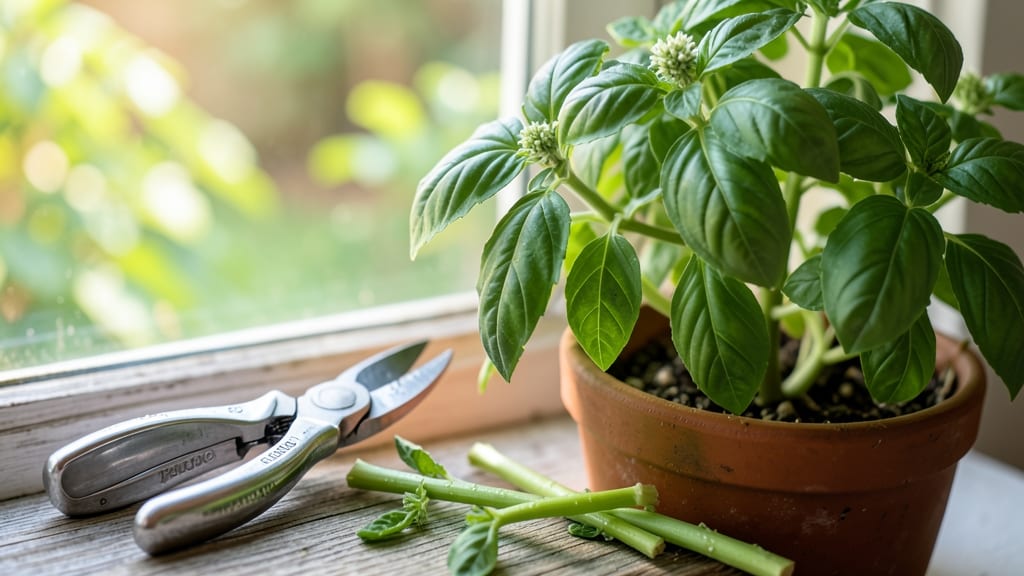
How to make basil grow bushy like a lush, leafy cloud instead of a sad stalk? ✨ The secret starts with pinching—a simple pruning trick that forces your basil to branch out and grow thicker stems packed with flavorful leaves. I went from harvesting a handful of leaves to armfuls of fresh basil just by mastering this one technique, and it works whether your plant lives indoors or out.
You’ll need clean pruning shears (or just your fingers), bright light, and a balanced fertilizer. The magic happens when you remove the top set of leaves just above a pair of lower leaves—this tells the plant to send out new shoots instead of growing taller.
Do this every 2-3 weeks during the growing season, and your basil will stay compact, bushy, and ready for harvest.
By the end of summer, you’ll have a basil plant so full it looks like a tiny jungle. The leaves stay tender and flavorful, and you’ll never run out of fresh herbs for cooking.
The key is consistency—don’t over-prune, and always leave at least 4-6 inches of stem to keep the plant healthy.
Works for both potted basil on your windowsill and outdoor plants in the garden. Once you see the difference, you’ll wonder why you didn’t do this sooner!
📚 In This Guide
- What you need
- Instructions
- Tips and common mistakes
- Wrapping up and next steps
What you need
- ● Basil plant: A healthy Genovese, Thai, or Purple basil (start with a 4-6 inch seedling or cuttings).
- ● Well-draining potting mix: A high-quality organic soil blend (e.g., Miracle-Gro Potting Mix or a 60% peat/40% perlite mix). 1 gallon per plant is ideal.
- ● Container or garden bed: For containers: A 5-7 inch diameter pot with drainage holes (terracotta or fabric pots work best).
- ● For garden beds: Ensure 6+ inches of loose, fertile soil with full sun exposure (6+ hours/day).
- ● Pruning shears or clean scissors: Sharp, sterilized tools to avoid disease (rubbing alcohol wipe between cuts!).
- ● Watering can or spray bottle: With a gentle, adjustable nozzle to avoid disturbing roots.
- ○ Balanced fertilizer (optional but helpful): A 10-10-10 or 20-20-20 NPK diluted to half-strength (e.g., Miracle-Gro All-Purpose).
- ● Grow lights: If indoors, a LED grow light (12-16 hours/day) for supplementing weak sunlight.
- ● Mulch or compost: Organic mulch (e.g., straw or shredded leaves) to retain moisture and nutrients.
- ● Plant food (fish emulsion or seaweed extract): For a natural nutrient boost every 2-3 weeks.
- ● Gloves: To protect hands from thorns (especially with Thai basil).
- ● Label markers: To track pruning dates and growth stages!
How to make basil grow bushy: pruning tricks for thicker stems and more leaves
Here's how I turn leggy basil into a lush, leafy bush—no fancy tools needed.
🌿 Step 1: Identify the Right Time to Prune
Wait until your basil has at least 6-8 true leaves and a sturdy stem—usually 3-4 weeks after transplanting. You'll see this when the plant stands 6-8 inches tall with a strong central stem. Pruning too early stunts growth, while waiting too long lets it become woody and less productive.
Check the leaves for vibrant color and firmness—if they're pale or soft, the plant needs more light or water before pruning. I always do this in the morning when leaves are fully hydrated, so I can see the best spots to trim.
✂️ Step 2: Pinch Back the Top Set of Leaves
Use clean, sharp scissors or fingers to pinch off the top set of leaves just above a pair of lower leaves. This encourages the plant to branch out instead of growing taller. I like to make the cut at a 45-degree angle to prevent water from pooling on the stem.
Don't cut too close to the base—leave at least 2-3 inches of stem below the cut. This ensures the plant has enough energy to regrow. You'll see tiny side buds forming within 5-7 days—that's your signal the pruning worked.
🌱 Step 3: Prune Lower Leaves for Airflow and Bushiness
Remove any yellow or damaged leaves from the lower stem to improve airflow and prevent disease. I also trim off any flower buds that appear—basil flowers signal the plant is shifting energy to seed production instead of leaf growth. Use your fingers to gently pluck them off rather than cutting.
Focus on leaves that are 1-2 inches long—these are the perfect size to encourage new growth. After pruning, the plant will redirect energy to the remaining leaves, making them thicker and more flavorful. You'll notice new leaves emerging within 10-14 days.
☀️ Step 4: Provide Ideal Conditions After Pruning
Place your basil in bright, indirect light for the first 24-48 hours after pruning to reduce stress. After that, move it to 4-6 hours of morning sun to avoid scorching new growth. Water at the base, keeping the soil evenly moist but not soggy—stick your finger in the soil to check.
If you're growing indoors, rotate the pot a quarter turn daily so the plant grows evenly toward the light. Outdoor basil should be watered deeply once a week, letting the top 1 inch of soil dry out between waterings. This balance keeps stems sturdy and encourages bushy growth.
⏰ Step 5: Repeat Pruning Every 3-4 Weeks
Continue pinching back the top leaves every 3-4 weeks to maintain a bushy shape. Each time you prune, you'll see 2-3 new side shoots forming within a week. Harvest leaves regularly—2-3 leaves per stem—to encourage more growth and prevent the plant from becoming leggy again.
Stop pruning 4-6 weeks before the first frost if growing outdoors, as basil is a tender annual. Save any healthy cuttings to propagate in water or soil for next season. With consistent pruning, your basil will stay compact, leafy, and productive all season long.
Tips & tricks for perfect basil pruning
These simple strategies will transform your leggy basil into a thriving, leafy powerhouse—no green thumb required.
The Timing Secret: Step 1's 3-4 week wait might feel long, but trust me—this is when your basil builds the energy to respond dramatically to pruning. If your plant is already 6-8 inches tall with 6-8 leaves, don't wait another day! The key is vibrant leaves, not just size. I've seen plants that looked ready at 3 weeks but needed an extra week of sunlight to develop proper structure.
Technique Tip: When you pinch back in Step 2, make that 45-degree angle cut right above a leaf node—this is where new branches will emerge. I use my fingernail to gently scrape the stem to identify these hidden growth points. The 2-3 inch stem you leave below the cut is crucial; it's like the plant's savings account for regrowth. If you cut too close, you'll stunt future growth.
Light Strategy: After pruning, the 24-48 hours of bright indirect light is your plant's recovery period. Think of it like a spa day for basil—no harsh sunlight, just gentle encouragement. I place mine near an east-facing window where it gets morning sun but stays cool in the afternoon. Too much direct sun during recovery can stress new growth and cause leaf scorch.
Harvesting Hack: The 2-3 leaves per stem harvest guideline might seem small, but it's perfect for encouraging bushiness. I harvest leaves in the morning when they're at their freshest and flavor peak. Never take more than a third of the plant at once—this keeps the plant balanced and prevents shock. You'll notice leaves taste more intense after pruning because the plant focuses its energy on producing flavor compounds.
Pro Tips for Make Basil Grow Bushy
- These simple strategies will transform your leggy basil into a thriving, leafy powerhouse—no green thumb required.
- The Timing Secret: Step 1's 3-4 week wait might feel long, but trust me—this is when your basil builds the energy to respond dramatically to pruning.
- Technique Tip: When you pinch back in Step 2, make that 45-degree angle cut right above a leaf node—this is where new branches will emerge.
Frequently asked questions
about growing bushy basil—because even the greenest thumbs need a little guidance!How often should I prune basil to keep it bushy?
Prune basil every 4–6 weeks (or when it reaches 6–8 inches tall) to encourage bushier growth. Pinch off the top set of leaves with your fingers—no tools needed! Regular pruning prevents legginess and promotes thicker stems and more leaves. Just avoid over-pruning, or you might stunt its growth.
Can I prune basil too much?
Yes! Over-pruning—especially cutting more than ⅓ of the plant at once—can stress basil and slow its growth. If you prune too aggressively, focus on new growth and avoid stripping the stems. Think of it like a haircut: trim, don’t shave!
What if my basil keeps growing tall and skinny?
Leggy basil usually means it’s not getting enough light or is overcrowded. Move it to a sunny spot (6+ hours of light daily) and prune the top to redirect energy to side branches. If growing indoors, consider a grow light—basil is a sun-worshipper!
Can I use basil prunings for anything else?
Pruned basil isn’t wasted—harvest and use it! Toss clippings into salads, blend into pesto, or steep in hot water for tea. You can even root the cuttings in water to grow new plants! It’s a win-win for your garden and kitchen.
What if my basil turns yellow after pruning?
Yellowing leaves can signal overwatering, nutrient deficiency, or stress from pruning. Let the soil dry slightly between waterings, and fertilize lightly with a balanced liquid fertilizer (like 10-10-10). If only older leaves yellow, it’s normal—focus on pruning new growth to keep the plant healthy.
Wrapping up and next steps
Growing a lush, bushy basil plant is totally within your reach—just follow the simple pruning tricks we’ve shared! By pinching, harvesting regularly, and giving your plant the right care, you’ll soon enjoy thicker stems and abundant leaves for all your favorite dishes. 🌿
Now that you’re armed with the know-how, why not put it into action? Grab your pruners and start shaping that basil into a thriving, leafy powerhouse. Happy gardening!