
Pruning
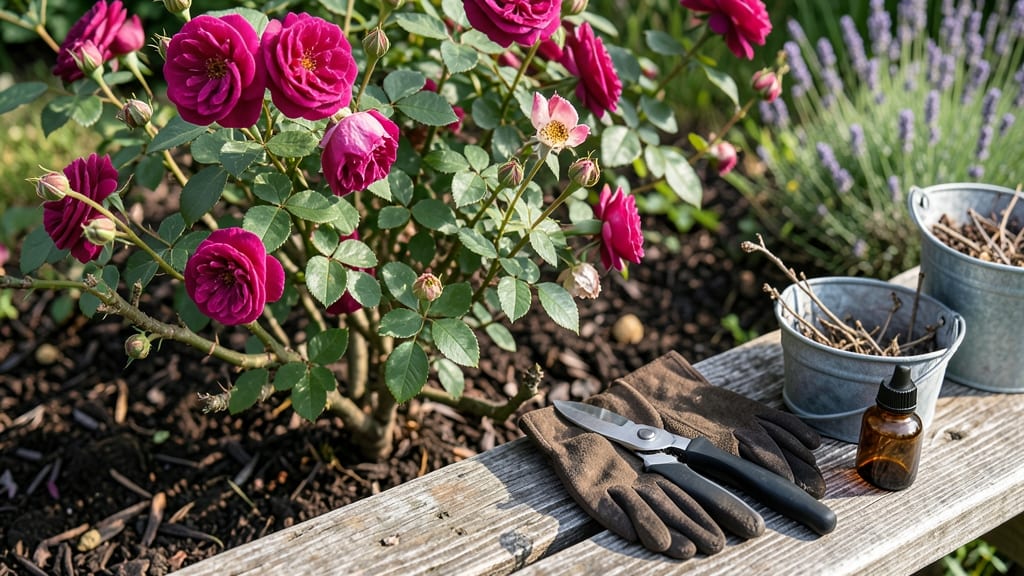
Cutting roses off the bush isn’t just about trimming—it’s the secret to longer, healthier blooms all season. ✂️ I’ve pruned roses for over a decade, and the difference between a bush that looks like a thorny mess and one that bursts with flowers comes down to where and how you cut.
Most gardeners either prune too late or too aggressively, but the right technique transforms even neglected bushes into showstoppers.
You’ll need just three basic tools: sharp bypass pruners, loppers for thicker stems, and a clean disinfectant (like rubbing alcohol) to dip blades between cuts.
The key is making cuts at a 45-degree angle, about ¼ inch above an outward-facing bud—this encourages growth away from the center, keeping the bush open and airy. Skip this step, and you’ll end up with a dense tangle that struggles to bloom.
After pruning, your roses will reward you with new shoots within 10-14 days, and the first wave of blooms arrives in 4-6 weeks. The bush stays compact, resists disease better, and produces more flowers per stem than unpruned plants.
Just avoid cutting into old wood (gray or bare stems) unless you’re rejuvenating a truly overgrown bush.
Works for hybrid teas, floribundas, and even climbers—just adjust the timing. Here’s how to do it right, from deadheading spent blooms to full rejuvenation pruning. Let’s get those stems looking sharp!
📚 In This Guide
- What you need
- Instructions
- Tips and common mistakes
- Wrapping up and next steps
What you need
- ● Bypass pruners: A sharp, high-quality pair (e.g., Felco or Corona) to make clean cuts without crushing stems. Size: 6-8" (15-20 cm) for most rose bushes.
- ● Loppers: For thicker stems (½"–1.5" diameter). Quantity: 1 pair with a long handle (24-36") for reach.
- ● Pruning saw: For stubborn, woody stems (1.5"+ diameter). Type: Curved blade for precision.
- ● Disinfectant: 70% isopropyl alcohol or a 10% bleach solution to sterilize tools between cuts (prevents disease spread).
- ● Garden gloves: Heavy-duty, cut-resistant (e.g., Mechanix or rose-specific gloves) to protect against thorns.
- ● Rubbing alcohol wipes: For quick tool cleaning mid-pruning.
- ● Trash bag or bucket: To collect pruned stems and debris. Size: 13-gallon (50L) minimum.
- ● Hand pruners: For delicate trimming of small stems or deadheading.
- ● Knee pad or stool: For comfort during long sessions (especially for tall bushes).
- ● Pruning sealant: (e.g., tree paint) for large cuts on old wood—only use if your roses are disease-prone.
- ● Sharpener: A file or honing tool to keep blades razor-sharp between uses.
- ● Label tags: If you’re grafting or propagating, mark cuttings with plant labels.
Step-by-Step instructions for pruning roses to encourage longer blooms
Here's how I prune roses for continuous flowering—no guesswork, just sharp cuts and strategic timing.
✂️ Step 1: Gather the Right Tools and Timing
You'll need clean, sharp pruners (dull blades crush stems and invite disease) and disinfectant (70% rubbing alcohol or bleach solution). Prune roses in early spring—just as buds swell but before new growth starts. This timing ensures you remove winter-damaged wood while preserving next year's blooms.
Wear gloves to protect from thorns and disinfect your tools between cuts. I like to wipe blades with alcohol after every 5 cuts to prevent spreading bacterial canker. Avoid pruning in wet weather—the open wounds heal poorly when damp.
✂️ Step 2: Remove Dead, Diseased, or Weak Wood
Start by cutting out any blackened, mushy, or hollow stems—these are dead or infected. Make your cuts at a 45-degree angle, about ¼ inch above a healthy outward-facing bud. This angle helps rainwater run off the cut instead of pooling.
Look for thin, spindly canes with no buds—these won't produce flowers. Cut them to the ground. You're aiming to open up the center of the bush so air circulates freely. Real talk: I used to over-prune here, but now I leave more structure for the plant to rebound.
✂️ Step 3: Shape the Bush for Optimal Growth
Step back and visualize the bush as a rounded dome. Cut back remaining canes to 18-24 inches tall, leaving 3-5 strong buds on each stem. For hybrid teas, aim for 4-5 buds per stem—this ensures a sturdy framework for next season's blooms.
Make cuts just above an outward-facing bud (this directs new growth outward, away from the center). If you're unsure which bud faces outward, run your thumb along the stem—buds with a slight bump on the outside are your targets. Never leave stubs; clean cuts heal faster.
✂️ Step 4: Deadhead and Maintain Through the Season
After the initial spring prune, deadhead spent blooms by cutting just above the next set of 5 leaves. This encourages the plant to redirect energy into new flower buds rather than seed production. I check roses every 3-5 days during peak bloom season to stay on top of this.
In late fall, do a light cleanup: remove any remaining dead growth and cut back canes by ⅓. This reduces winter damage from heavy snow or ice. Avoid heavy pruning in fall—it stimulates tender new growth that won't survive frost.
✂️ Step 5: Clean Up and Prepare for Next Year
Collect all pruned material and dispose of it in the trash (not compost—diseases can linger). Rake up fallen leaves and debris around the base of the plant to prevent fungal buildup. I like to apply 2-3 inches of mulch around the base to protect roots over winter.
Label your roses if you have multiple varieties—next spring, you'll thank yourself for not having to guess which is which. Water deeply after pruning to help the plant recover. Within 4-6 weeks, you'll see new growth emerge from those buds you carefully preserved.
Tips & tricks for pruning roses like a pro
These game-changing insights will help you transform your rose bushes into blooming powerhouses with minimal effort—and avoid the common pitfalls that lead to weak growth.
Tool Precision Matters: Invest in bypass pruners with sharp, clean blades—dull tools crush stems instead of making clean cuts. I've ruined too many roses by using cheap shears that leave jagged edges. After every 5 cuts, wipe your blades with rubbing alcohol (as mentioned in Step 1) to prevent disease spread. Pro tip: Store your pruners in a dry place to maintain sharpness between seasons.
Bud Selection is Everything: In Step 3, when shaping your bush, focus on outward-facing buds—they're your secret weapon for creating that perfect rounded dome shape. Here's what I learned the hard way: if you cut above an inward-facing bud, new growth will crowd the center, blocking airflow and inviting fungal problems. Run your thumb along the stem to feel for that telltale bump on the outside of buds.
Seasonal Timing Secrets: Early spring pruning (when buds swell but before growth starts) is critical, but don't overlook the late fall maintenance in Step 4. I used to skip this, and my roses would struggle through winter. That light cleanup—cutting back by ⅓ and removing dead growth—prevents snow damage and reduces overwintering pests. Think of it as giving your roses a winter haircut to stay healthy.
Post-Pruning Care: After your final cuts, don't just walk away! Water deeply to help the plant recover, then apply that 2-3 inches of mulch around the base. This isn't just decoration—it insulates roots, retains moisture, and prevents soil-borne diseases from splashing onto fresh cuts. I've seen roses recover dramatically faster when given this simple aftercare.
Pro Tips for Cut Roses Off Bush
- These game-changing insights will help you transform your rose bushes into blooming powerhouses with minimal effort—and avoid the common pitfalls that lead to weak growth.
- Tool Precision Matters: Invest in bypass pruners with sharp, clean blades—dull tools crush stems instead of making clean cuts.
- Bud Selection is Everything: In Step 3, when shaping your bush, focus on outward-facing buds—they're your secret weapon for creating that perfect rounded dome shape.
Frequently asked questions
Got questions about pruning roses? You’re not alone! Here are some of the most common concerns—and their answers—to help you trim with confidence.
When is the best time to cut roses off the bush?
The ideal time depends on your rose type. For spring-blooming varieties (like hybrid teas or floribundas), prune in late winter or early spring (just before new growth starts). For repeat-blooming roses, trim after the first flush of flowers in spring and again lightly in summer to encourage more blooms. Avoid heavy cuts in fall, as it can stress the plant before winter.
How do I know where to make the cut?
Look for an outward-facing bud (about the size of a pencil eraser) and cut just above it at a 45-degree angle. This bud will grow into a new stem. Avoid cutting into the bud itself or leaving stubs—aim for clean cuts ¼ inch above the bud. If you’re unsure, err on the side of cutting slightly higher; the plant can recover better from a taller cut than a stub.
What if I accidentally cut too much off my rose bush?
Don’t panic! If you’ve over-pruned, your rose may take longer to recover, but it’s not fatal. Focus on watering deeply and fertilizing lightly to help it bounce back. In the next growing season, you can adjust your cuts. For severe cases, mulch around the base to protect roots and reduce stress. Most roses are resilient—just give them time and patience!
Can I prune roses in summer for more flowers?
Yes! Light pruning in early summer (after the first bloom cycle) can encourage a second flush of flowers. Remove spent blooms and weak stems by cutting just above a healthy leaf or bud. Avoid heavy pruning in late summer, as it may limit the plant’s ability to harden off for winter. Think of it as a maintenance trim rather than a major overhaul.
What should I do with the cuttings after pruning?
Don’t toss those stems! You can propagate new roses from healthy cuttings. Dip the base in rooting hormone, plant in moist potting mix, and keep them in bright, indirect light. Alternatively, use the cuttings as free mulch around the base of other plants or compost them. Just avoid leaving them lying on the ground, as they can harbor pests or diseases.
Wrapping up and next steps
Pruning your roses might seem intimidating, but with the right tools and techniques, you’ll transform your bush into a thriving, bloom-filled beauty! 🌹 Remember to cut at a 45-degree angle, remove dead or diseased stems, and prune in the early season for the best results.
Your patience will pay off with longer stems, healthier growth, and stunning flowers all season long.
Now that you’re ready to prune like a pro, grab those shears and get started! For extra care, consider fertilizing or mulching afterward to give your roses the boost they deserve. Happy gardening! 🌱