
How To
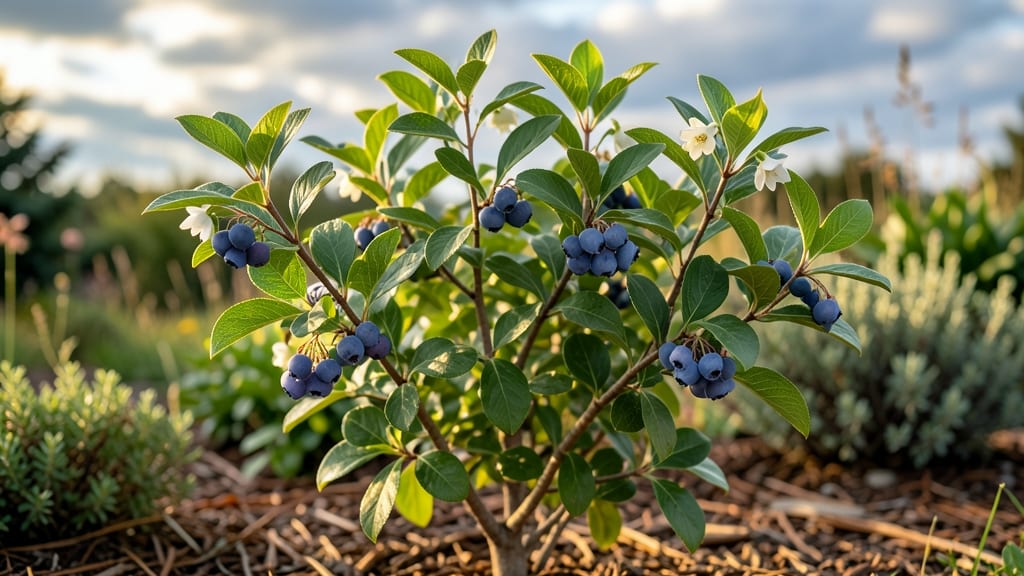
Blueberry bushes get as large as 12 feet tall and 6 feet wide—depending on the variety—so picking the right one for your space is the first step to a thriving harvest.
If you're dreaming of a lush blueberry bush in your garden but worry about it crowding your space, knowing its mature size is key—some varieties stretch like vines while others stay compact.
Highbush types can tower over 6 feet, while lowbush varieties rarely exceed 2 feet, making them perfect for small gardens or containers. Proper spacing and pruning can also keep even the tallest bushes manageable.
Below, I’ll break down the height and spread ranges for popular varieties, spacing recommendations, and pruning tips to ensure your blueberry bushes stay healthy without taking over your yard.
Blueberry bush size by variety: height and spread guide
Blueberry bushes come in a stunning range of sizes, from dwarf varieties that fit in containers to towering Rabbiteye bushes reaching over 15 feet. Understanding these dimensions helps you plan your garden layout, whether you're working with a sprawling backyard or a cozy patio.
The mature height and spread of each variety directly impact fruit production, airflow, and ease of harvesting.
Most blueberry bushes reach their full size within 3–5 years of planting, though growth rates vary by type. Northern Highbush varieties, for example, grow steadily each year, while Lowbush types mature more slowly but produce fruit earlier.
Your climate zone also plays a role—warmer regions often see faster growth and larger spreads.
Here’s a quick comparison of the most popular varieties and their mature dimensions to help you choose the perfect fit for your space:
| Variety | Mature Height | Mature Spread | Best For | Notes |
|---|---|---|---|---|
| Northern Highbush | 5–12 ft | 4–6 ft | Zones 3–7 | Fast-growing, needs winter protection in cold zones |
| Southern Highbush | 6–10 ft | 5–7 ft | Zones 5–10 | Heat-tolerant, thrives in humid climates |
| Rabbiteye | 10–15 ft | 6–10 ft | Zones 6–9 | Largest variety, needs strong support |
| Lowbush | 3–5 ft | 2–4 ft | Zones 3–6 | Slow-growing, produces wild-type berries |
| Dwarf (e.g., 'Top Hat') | 2–3 ft | 2–3 ft | Containers, small gardens | Ideal for patios, needs regular pruning |
If you’re growing Northern Highbush varieties like 'Bluecrop' or 'Duke,' expect them to reach 6–10 feet tall with a spread of 4–6 feet. These are the most popular choices for home gardens because they balance size with productivity.
For Southern Highbush types like 'O'Neal' or 'Climax,' plan for even more space—these can spread up to 7 feet wide and need room to breathe.
For those with limited space, dwarf varieties like 'Top Hat' or 'Peach Sorbet' are game-changers. These stay under 3 feet tall and work perfectly in containers or along fences.
Just be prepared to prune them regularly to maintain their compact shape and encourage fruit production. Even dwarf bushes need full sun exposure and well-draining, acidic soil to thrive.
One common mistake is underestimating the spread of blueberry bushes. A Rabbiteye variety, for example, can spread 10 feet wide, making it unsuitable for small gardens unless you’re willing to prune aggressively. Always check the mature spread when selecting varieties, especially if you’re planting multiple bushes close together.
Your climate zone also influences size. In colder regions (Zones 3–5), Northern Highbush varieties grow more slowly and may stay shorter unless protected from harsh winters.
In warmer zones (Zones 8–10), Southern Highbush and Rabbiteye varieties can grow taller and fuller, sometimes reaching their mature size in just 2–3 years instead of the usual 4–5.
When planning your garden, leave 3–5 feet of space between standard bushes to allow for airflow and sunlight penetration. This spacing reduces the risk of fungal diseases like botrytis and makes harvesting easier. For dwarf varieties, 2–3 feet of space is sufficient, but avoid crowding even these compact plants.
If you’re growing blueberries in containers, choose dwarf or semi-dwarf varieties and use pots
Optimal spacing for blueberry bushes: preventing overcrowding
Proper spacing is essential for healthy blueberry bushes—crowding leads to poor airflow, disease, and smaller fruit. Standard varieties need 4–6 feet between plants, while dwarf types thrive with just 2–3 feet. The key is balancing growth potential with sunlight access to maximize yield.
Overcrowding also makes pruning harder, as branches compete for space. Southern Highbush varieties, which can reach 6–10 feet tall, need the most room, while Lowbush types (staying under 2 feet) can be planted closer. Always check your variety’s mature size before planning.
- 1 Standard varieties (6–12 ft tall) require 6–10 feet spacing to prevent shade competition.
- 2 Dwarf varieties (2–4 ft tall) can be spaced 2–3 feet apart in containers or small gardens.
- 3 Rabbiteye types (8–12 ft tall) need 8–10 feet spacing to support their wide canopies.
- 4 Lowbush varieties (under 2 ft) can be planted 2–3 feet apart in rows for efficient harvesting.
Pruning plays a critical role in controlling size and airflow. Remove dead or crossing branches annually to open the center of the bush. For Southern Highbush types, prune in late winter to shape the plant, while Rabbiteye varieties benefit from summer pruning to encourage fruit production.
Mulching with pine needles or wood chips helps maintain soil acidity and reduces weeds, which compete for nutrients. Keep mulch 3–4 inches deep but avoid piling it against the stem to prevent rot. This also helps regulate soil temperature for root health.
If you’re short on space, consider espalier training to grow bushes flat against a fence or trellis. This method works well for dwarf varieties and can save up to 50% of garden space while improving fruit accessibility. Just ensure the structure provides 6+ hours of sunlight daily.