
Pruning
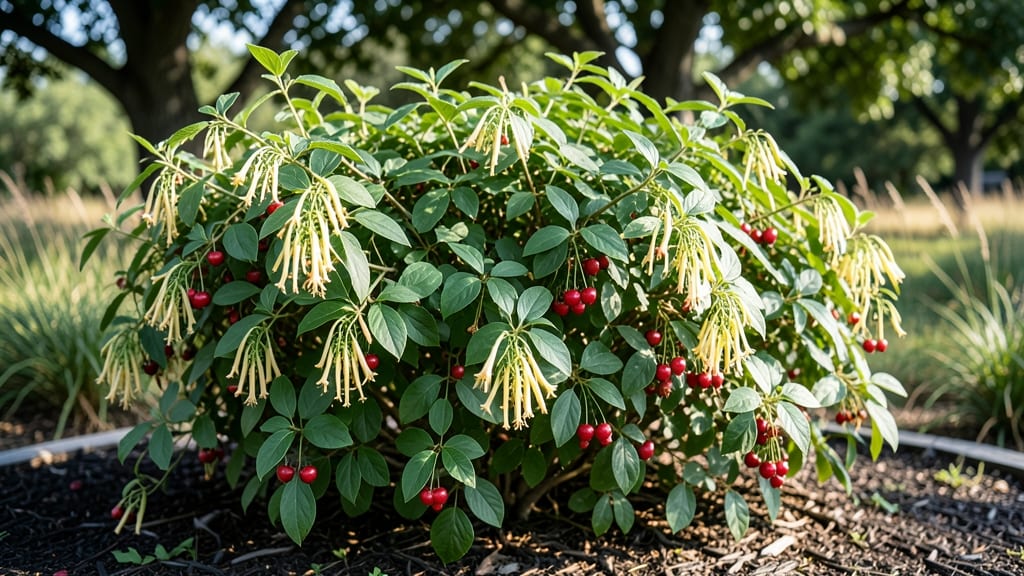
Edible honeysuckle bush parts include flowers and young shoots, which deliver a delicate, honey-sweet flavor perfect for teas or dishes, while mature leaves, stems, and berries can cause stomach upset or worse. Always gather from pesticide-free plants and double-check the species before eating.
Not all honeysuckle varieties are safe to eat—only species like Japanese honeysuckle (Lonicera japonica) or tartarian honeysuckle (Lonicera tatarica) are edible. 🌸 The flowers taste like light honey with floral notes, while young shoots offer a crisp, slightly bitter bite.
I recommend harvesting flowers in the morning after dew dries, as they're most flavorful then. Always avoid plants near roads or sprayed with chemicals, since even edible parts can absorb toxins.
For culinary use, try steeping flowers in hot water for tea or adding them to fruit salads for a fragrant touch. Young shoots can be blanched and stir-fried like asparagus.
Preserve excess by drying flowers in a cool, dark place or freezing shoots in airtight containers. Remember: ripe berries are toxic, so never consume them—even cooked.
💡 In This Article
- Identifying Edible Honeysuckle Varieties and Safe Parts
- Harvesting, Preparing, and Cooking Edible Honeysuckle
Identifying edible honeysuckle varieties and safe parts
The edible honeysuckles belong to the Lonicera genus, with Japanese honeysuckle (Lonicera japonica) and tartarian honeysuckle (Lonicera tatarica) being the most commonly used species. These varieties produce tubular, fragrant flowers that grow in clusters, typically 1-2 inches long with a sweet, honey-like aroma.
The key visual difference from toxic lookalikes is their opposite leaf arrangement (leaves grow directly across from each other) and red-orange berries that develop after flowering—though these berries are never safe to eat.
Only the flowers and young shoots (up to 3-4 inches long) are edible. Flowers have a delicate, velvety texture and taste like a mix of honey and light floral notes, similar to jasmine but milder. Young shoots offer a crisp, slightly bitter bite akin to asparagus or celery stalks.
The flavor intensity peaks in the morning after dew dries, making 8-10 AM the ideal harvest time. 🌸 What most people overlook is that the leaves contain toxic compounds like saponins, which can cause nausea or vomiting if ingested.
To confirm you've identified the right plant, check for these safety markers: smooth-edged leaves (not serrated), paired leaf buds (two buds per stem node), and no milky sap (a sign of toxicity). Avoid any honeysuckle with toothed leaves or white flowers, as these often belong to non-edible species.
The berry stage is the most dangerous—even cooked, they contain cyanogenic glycosides that can be lethal.
Here's what happens when you consume toxic parts: The saponins in leaves create a soapy foam in your mouth, while the stems contain glycosides that disrupt digestion. Symptoms appear within 30-60 minutes and include dizziness, vomiting, or diarrhea.
In contrast, properly prepared edible parts have been used in traditional Chinese medicine for centuries to treat sore throats and coughs—their anti-inflammatory properties come from natural compounds like flavonoids and volatile oils.
For visual identification, compare these features:
- Edible varieties: Tubular flowers in 2-5 clusters, opposite leaves, red-orange berries
- Toxic lookalikes: White flowers, toothed leaf edges, milky sap, single flowers
- Critical warning: Never eat berries—even cooked, they contain cyanogenic glycosides
When harvesting, use sterilized scissors and wear gloves to avoid contaminating the delicate flowers. The best time to pick is early summer when flowers are fully open but before they start wilting.
Store harvested flowers in paper bags in the fridge for up to 3 days to preserve their aroma and flavor.