
Planting
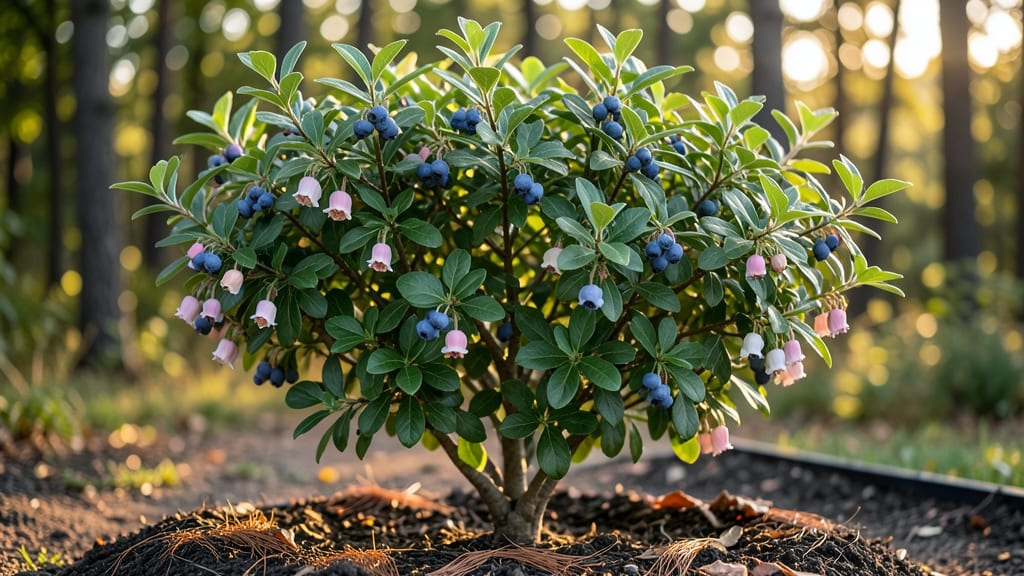
Spacing highbush blueberries correctly is the key to a bountiful harvest—4 to 6 feet apart ensures airflow, prevents disease, and lets each plant thrive without competing for nutrients.
Struggling to maximize your highbush blueberry harvest? The secret isn’t just in the soil or sunlight—it’s in the spacing. Proper blueberry plant arrangement can triple your yield while preventing disease and ensuring easy maintenance.
Whether you’re planting in a backyard garden or a commercial orchard, getting the spacing right makes all the difference. Too close, and your bushes fight for space; too far apart, and you waste precious garden real estate.
In this guide, I’ll break down the ideal spacing for different growing methods, how soil type and variety affect placement, and how to fix common mistakes without losing your crop.
Optimal highbush blueberry spacing for different cultivation methods
Getting the highbush blueberry spacing right is one of the most critical decisions for a bountiful harvest. Too close, and you’ll battle fungal diseases and poor airflow; too far apart, and you’ll waste space.
The right spacing ensures maximum sunlight exposure, efficient pollination, and easy maintenance—whether you’re planting in-ground, raised beds, or containers.
I’ve planted highbush blueberries in all three methods, and the spacing rules differ dramatically. For example, in-ground plantings need 6 feet between plants for standard varieties, while containers can cram two dwarf bushes into a single 12-inch pot.
Let’s break down the science behind each method so you can choose what works best for your garden.
Why spacing matters: Proper spacing prevents overcrowding, which leads to shaded canes and reduced fruit production. It also improves air circulation, cutting down on botrytis blight and mummy berry disease. Even the soil type plays a role—heavy clay soils need wider spacing to prevent waterlogging, while sandy soils can handle closer plantings.
Comparison Table: Highbush Blueberry Spacing by Cultivation Method
| Method | Plant-to-Plant Distance | Row Spacing | Best For | Notes |
|---|---|---|---|---|
| In-Ground | 4-6 ft (standard), 3-4 ft (dwarf) | 8-10 ft | Large gardens, permanent plantings | Adjust for clay soils (+1-2 ft) |
| Raised Beds | 3-4 ft (standard), 2-3 ft (dwarf) | 5-6 ft (bed width) | Small spaces, better drainage | Use wider beds for airflow |
| Containers | 1 plant per 12-15" pot (dwarf) | N/A (group 2-3 pots) | Balconies, patios, small yards | Use self-watering pots for consistency |
For in-ground plantings, the 6-foot rule applies to standard varieties like Bluecrop or Duke. I’ve seen gardeners squeeze them into 4 feet, but this leads to competing canes and reduced fruit quality.
If you’re working with heavy clay soil, add an extra foot of space to prevent root rot from waterlogging.
In raised beds, you can tighten the spacing to 3-4 feet because the elevated design improves drainage and airflow. I recommend using 5-foot-wide beds to allow easy access for pruning and harvesting.
For dwarf varieties like Top Hat, you can space them as close as 2 feet apart—perfect for small gardens or urban homesteads.
Container growing is where spacing gets creative. A single 15-gallon pot can hold one dwarf blueberry bush, but you can fit two small varieties into a 20-gallon container if they’re pollinated separately. Pro tip: Use self-watering pots to maintain consistent moisture, which is critical for container-grown blueberries.
One common mistake I see is ignoring the mature size of the variety. A Jersey blueberry can reach 10 feet tall, while a Patriot stays under 5 feet.
Planting a tall variety too close to a fence or patio will make harvesting a nightmare. Always check the plant tag or nursery guide for mature dimensions.
Another key factor is pollination efficiency. Blueberries are self-pollinating, but having multiple bushes within 15-20 feet ensures better fruit set. If you’re growing just one bush in a container, consider hand-pollinating with a small brush during bloom time for the best results.
Finally, soil type dictates spacing adjustments. Sandy soils dry out faster, so you can space plants slightly closer (5 feet) because they won’t compete for water as fiercely. In contrast, clay-heavy soils require 7-8 feet between rows to prevent waterlogging and root disease.
How to adjust blueberry spacing for soil conditions and variety
When planting highbush blueberries, one size doesn’t fit all. Your soil acidity and the variety you choose directly impact how far apart you should space your bushes.
For example, Duke and Bluecrop varieties thrive with 5-6 feet of space, but Jersey blueberries, which grow taller, need 8-10 feet to avoid crowding. Poor spacing leads to fungal diseases like botrytis and reduces airflow, which is critical for berry development.
Your soil drainage also plays a role. Sandy soils dry out faster, so you can space plants slightly closer (4-5 feet) since they won’t compete as fiercely for moisture. However, clay-heavy soils require wider spacing (6-8 feet) to prevent waterlogging, which can suffocate roots.
Always test your soil’s pH level—blueberries demand acidic soil (pH 4.5-5.5), and compacted or poorly drained soil can throw off this balance.
🌱 Key Spacing Adjustments for Blueberries
| Variety | Spacing Needs | Soil Condition |
|---|---|---|
| Duke, Bluecrop | 5-6 feet apart | Well-draining, acidic |
| Jersey, Bluejay | 8-10 feet apart | Sandy or loamy |
| Top Hat (dwarf) | 3-4 feet apart | Container-friendly |
| All varieties | Reduce by 1-2 feet in clay soil | Poor drainage |
💡 Pro Tip: For pollination, plant at least two varieties within 15-20 feet of each other to ensure cross-pollination and better fruit set.
If you’re growing compact varieties like Top Hat or Patriot, you can space them 3-4 feet apart—ideal for containers or small gardens. These dwarf varieties stay under 3-5 feet tall, making them perfect for urban spaces or patios.
However, even compact bushes benefit from proper spacing to avoid root competition, which stunts growth and reduces berry production.
For pollination efficiency, consider planting two compatible varieties close enough for bees to visit both. For instance, Bluecrop and Duke pair well and should be spaced 10-15 feet apart in the same row.
This setup maximizes fruit yield while keeping maintenance manageable. Always face bushes in the same direction to avoid shading each other, especially in northern climates where sunlight is limited.
Finally, adjust your row spacing based on your garden layout. In-ground plantings typically need 8-10 feet between rows for easy access and airflow, while raised beds can accommodate 6-8 feet between rows.
If your soil is highly acidic (pH < 4.5), you can space plants slightly closer, as they’ll grow more vigorously. Always mulch with pine needles or wood chips to maintain acidity and suppress weeds, which further optimizes your spacing strategy.
By tailoring your blueberry spacing to your soil type and variety, you’ll create an environment where bushes thrive, pollination is efficient, and harvests are bountiful. Start with the right layout, and your highbush blueberries will reward you with years of delicious fruit! 🫐