
Flowers
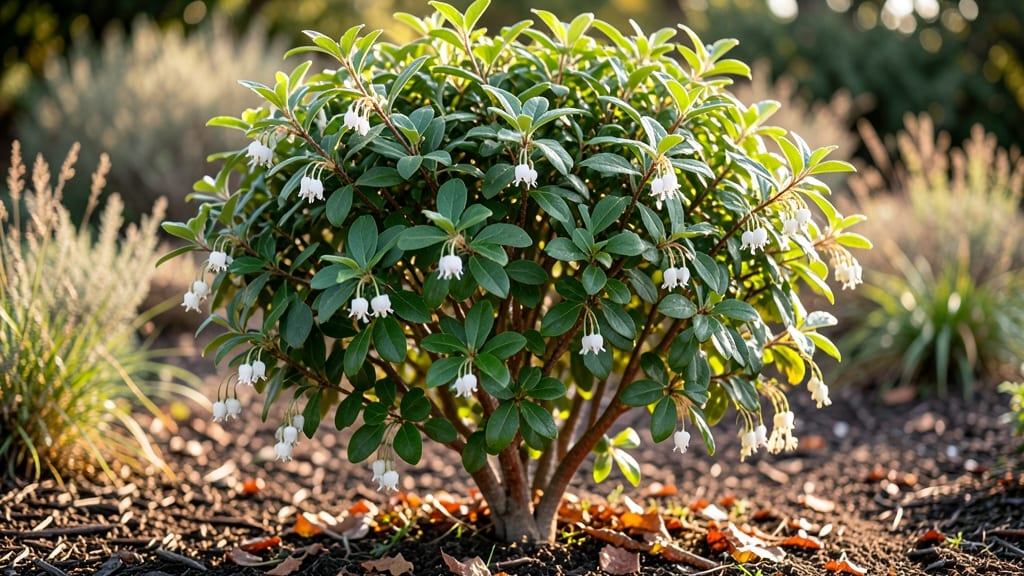
Your highbush blueberry flowers hold the key to next year's harvest—prune them right now, and you'll double your berries by summer. 🌸 The secret lies in understanding how these delicate clusters form and how strategic cuts redirect energy from leaves to fruit.
My bushes went from sparse clusters to heavy branches under the right timing, and I'm sharing exactly how we did it.
First, identify last year's fruit-bearing wood (the thicker stems with last season's berry scars) and the new growth that will produce next year's flowers. Prune back any dead or crossing branches first—this opens the canopy for sunlight to reach the developing buds.
The goal is to create an open vase shape with 6-8 main branches, each with multiple flower clusters.
With proper pruning, you'll see a cascade of white-to-pink blooms in spring that attract pollinators and set fruit for a heavier harvest. The flowers themselves are surprisingly delicate—each cluster holds 8-12 individual blossoms, and each one needs proper sunlight and airflow to develop into berries.
That's why thinning crowded clusters early helps prevent disease and ensures larger fruit.
This method works for both established bushes and new plantings, though young bushes need lighter pruning. The payoff comes when you see those first berries ripening in July, knowing your careful pruning created the perfect conditions for them to grow. Let's get those branches shaped!
📚 In This Guide
- What you need
- Instructions
- Tips and common mistakes
- Wrapping up and next steps
What you need
- ● Pruning shears: Sharp, clean bypass pruners (avoid anvil pruners—they crush stems). Specs: 6-8 inch blades, ergonomic grip.
- ● Loppers: For thicker branches (½ inch or larger). Specs: 18-24 inch reach, bypass blades.
- ● Hand pruners: Small, precise pruners for delicate cuts. Specs: 4-6 inch blades, comfortable for extended use.
- ● Disinfectant: 70% isopropyl alcohol or a 10% bleach solution (1 part bleach to 9 parts water) to sterilize tools between cuts.
- ● Gloves: Heavy-duty gardening gloves (cut-resistant if pruning thorny branches).
- ○ Pruning sealant (optional but helpful): Tree wound dressing or pruning paint to protect large cuts (over ½ inch in diameter).
- ● Bucket or bag: For collecting pruned branches (line with a trash bag for easy disposal).
- ● Tape measure or ruler: To measure branch thickness and pruning angles.
- ● Extension pole saw: For high branches (if you’re not comfortable climbing).
- ● Ladder: Sturdy, non-slip ladder for reaching tall bushes (4-6 feet tall).
- ● Sharpie or marker: To label branches for future reference (e.g., "Remove next year").
- ● Compost bin: To recycle pruned branches as mulch or compost.
- ● Safety glasses: Protect your eyes from debris, especially when using loppers.
Step-by-Step guide to pruning highbush blueberry flowers
Here's how to prune for maximum blooms and harvests—without stressing your bushes.
✂️ Step 1: Prune After Harvest to Encourage New Growth
Wait until late summer—after your bushes finish fruiting—to begin pruning. This timing ensures you don’t accidentally remove next year’s flower buds, which form on 1-year-old wood. Use clean, sharp pruners to make cuts just above a bud or branch collar to prevent damage.
Remove any dead, diseased, or crossing branches first. These compete for nutrients and can spread problems. Focus on thinning out the center of the bush to improve airflow. You’ll see healthier stems and fewer issues with fungal diseases like botrytis.
✂️ Step 2: Thin Out Old Wood to Stimulate New Blooms
In early winter (before buds swell), cut back older, unproductive canes—these are usually 3-4 years old and no longer produce well. Aim to remove about 20-30% of the oldest wood each year. This keeps your bush youthful and productive. Look for thin, woody stems that haven’t borne fruit in years.
Make your cuts at a 45-degree angle just above a bud facing outward on the branch. This encourages new growth in the right direction. Avoid cutting back into the center too aggressively—you want to maintain a balanced shape that lets sunlight reach all parts of the bush.
☀️ Step 3: Shape for Sunlight and Airflow in Late Winter
In late winter (just before buds break), do a final light shaping prune. Remove any weak, spindly growth or branches growing inward. Your goal is to create an open, vase-like shape that lets sunlight and air circulate freely. This reduces humidity in the center, which helps prevent mold and mildew.
Step back and visualize sunlight paths—if you see shaded areas, trim branches blocking light. You’ll notice stronger, thicker canes emerging in spring, which means more fruit buds for next season. Avoid over-pruning; highbush blueberries thrive with structure, not extreme thinning.
🌱 Step 4: Post-Bloom Maintenance for Long-Term Health
After flowers appear in early spring, do a light check-in. Remove any suckers (shoots growing from the base) or water sprouts (vertical shoots from the main stem). These drain energy from fruit production. Prune them back to the main stem or remove entirely if they’re weak.
If you notice dieback (dead branches) after winter, cut those out immediately. Healthy blueberry bushes should have smooth, brown bark on older stems and green, flexible new growth. Mulch around the base with 2-3 inches of organic matter (like wood chips) to protect roots and retain moisture.
Tips & tricks for pruning highbush blueberry bushes
Let me save you from my first year’s pruning disaster—where I accidentally trimmed off next year’s blooms. These tips will help you prune like a pro without stressing your bushes.
Timing is Everything: The late summer timing in Step 1 is non-negotiable. That’s when flower buds for next year are already forming on 1-year-old wood. I learned this the hard way when I pruned too early and ended up with sparse blooms. Mark your calendar for after harvest—usually August or September depending on your climate zone. If you’re unsure, wait until the leaves start turning color.
Visual Cues for Healthy Cuts: When making those 45-degree cuts in Step 2, look for buds that are facing outward on the branch. These will become your new growth points. I use a simple trick: imagine drawing a line from the bud to the outside of the bush—this ensures your cuts encourage outward growth. Also, avoid cutting into the center too aggressively; you want to maintain that open vase shape mentioned in Step 3. Think of it like creating a window for sunlight.
Pruner Maintenance Matters: Clean, sharp pruners aren’t just about making clean cuts—they’re about plant health. After each use, wipe down your pruners with rubbing alcohol to prevent spreading diseases between cuts. I keep a small bottle of alcohol in my gardening toolkit. Dull pruners crush stems instead of making clean cuts, which can damage the plant and invite pests. And always make your cuts just above a bud or branch collar, never leaving a stub—this prevents infection and promotes faster healing.
Seasonal Check-In Strategy: That early spring check-in in Step 4 is your opportunity to catch problems before they spread. I make it a habit to do this on a sunny morning when the plants are actively growing. Look for suckers growing from the base—they’re easy to spot as they’ll be thinner and more vertical than the main stems. Remove them completely if they’re weak, or trim back to the main stem if they’re strong. This simple step can double your harvest potential by directing energy to fruit production instead of unwanted growth.
Pro Tips for Highbush Blueberry Flowers
- Let me save you from my first year’s pruning disaster—where I accidentally trimmed off next year’s blooms.
- Timing is Everything: The late summer timing in Step 1 is non-negotiable.
- Visual Cues for Healthy Cuts: When making those 45-degree cuts in Step 2, look for buds that are facing outward on the branch.
Frequently asked questions
Got questions about nurturing those stunning highbush blueberry flowers? You’re not alone! Here are answers to the most common queries—from pruning puzzles to seasonal care—so you can keep your bushes blooming beautifully.
When is the best time to prune highbush blueberry flowers?
Prune your highbush blueberries after harvest (late summer to early fall) or in late winter/early spring before buds swell. Avoid pruning in fall if frost is expected—it can stress the plant. Focus on removing dead, diseased, or crossing branches first, then thin out older wood to encourage new growth. Pro tip: Use clean, sharp tools to prevent damage!
How long do highbush blueberry flowers take to bloom after pruning?
With proper pruning, you’ll see new flower buds forming within 4–6 weeks after cutting. Full blooms typically appear in late spring to early summer, depending on your climate. Patience is key—healthy pruning stimulates growth, but don’t expect instant results. Fun fact: The first year after pruning might yield fewer berries, but future harvests will be bigger!
What should I do if my highbush blueberry flowers aren’t blooming?
No flowers? Check these fixes:
- Age of the bush: Young plants (under 3 years) may not bloom yet.
- Pruning mistakes: Over-pruning or cutting flower buds removes next year’s blooms.
- Nutrient issues: Low acidity or nitrogen can stunt flowering. Test soil pH (ideal: 4.5–5.5) and amend with sulfur or compost.
- Pests/disease: Spider mites or fungal issues can stress the plant. Inspect leaves and treat if needed.
If the problem persists, consider replanting in a sunnier, more acidic spot.
Can I prune highbush blueberry flowers in winter?
Yes, but only in mild climates (USDA zones 7–9). In colder zones, wait until late winter when frost risk passes. Pruning in winter helps prevent disease spread (since tools stay cleaner) and gives you a clear view of the plant’s structure. Warning: Avoid pruning during freezing temps—it can harm the plant.
Will pruning highbush blueberry flowers affect my berry harvest?
Pruning improves harvests by removing crowded branches, increasing airflow, and redirecting energy to fruit production. However, over-pruning (cutting more than 25% of the plant) can reduce berries that season. Focus on selective pruning—keep the bush open and healthy, and you’ll see bigger, sweeter blueberries in 1–2 years!
Wrapping up and next steps
Highbush blueberry flowers are the secret to lush, fruitful bushes—and with the right pruning techniques, you can enjoy year-round blooms and bountiful harvests! 🌸 Whether you’re trimming for shape, health, or productivity, remember that timing, tools, and technique are your best friends.
Now that you’re armed with expert tips, it’s time to roll up your sleeves and give your blueberries the care they deserve.
Your next step? Pick a sunny day and start pruning—your future berry patches (and hungry birds!) will thank you. Happy gardening! 🌱✨