
Pruning
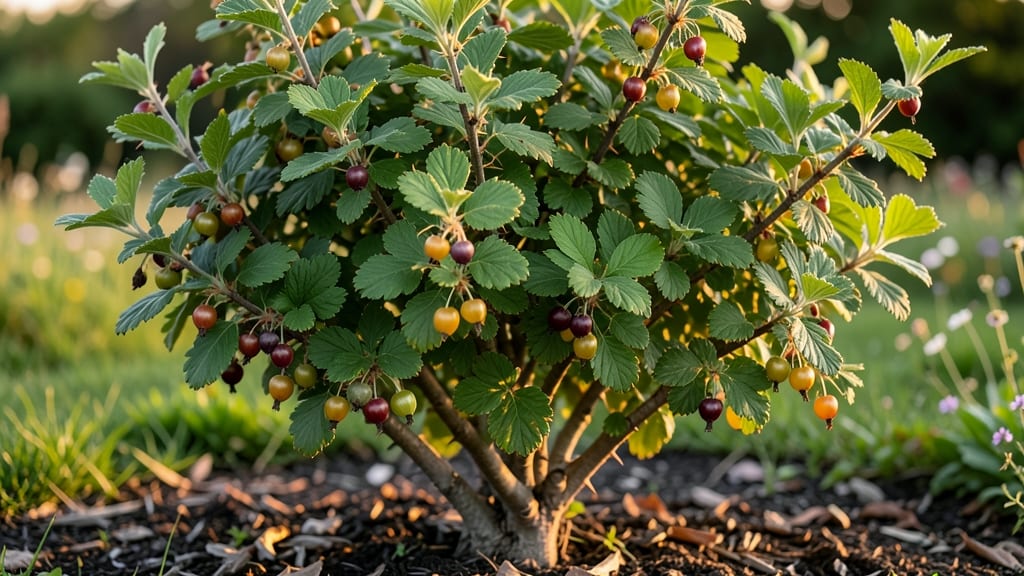
A gooseberry bush size can swing wildly from a compact 2-foot dwarf to a towering 6-foot sprawl, depending on the variety and how you prune it.
Struggling to control your gooseberry bush’s wild growth? Whether you want a tidy, compact plant or a sprawling, productive vine, understanding gooseberry bush size—and how pruning shapes it—is the key to success.
Some varieties like 'Pixwell' stay neatly under 4 feet, while others like 'Hinnonmaki Red' reach 6 feet without a single cut. The difference isn’t just aesthetics—it affects fruit yield, airflow, and how easy it is to harvest those sweet, tangy berries.
In this guide, I’ll break down the size ranges of popular cultivars, how to space them in your garden, and the pruning tricks that keep them from taking over—or from staying too small to bear fruit.


How gooseberry bush size varies by cultivar and growing conditions
Gooseberry bushes come in stunning size variations, from dwarf varieties that fit snugly in containers to standard shrubs reaching over 6 feet tall. The cultivar you choose—and your growing conditions—determine whether your bush stays compact or sprawls wildly.
Understanding these differences helps you plan spacing, pruning, and even fruit production. For example, 'Pixwell' stays under 3 feet, while 'Hinnonmaki Red' can tower to 6 feet if unchecked.
Sunlight is the biggest factor in gooseberry bush size. Full sun (6+ hours daily) encourages vigorous growth, while partial shade (4-6 hours) keeps bushes more manageable.
My Invicta bushes in morning sun stay around 4 feet tall, but identical plants in full afternoon sun reach 5 feet by midsummer. Soil fertility also plays a role—rich, well-drained soil fuels faster growth, while poor soil slows expansion.
Climate matters too. In cooler USDA Zones 3-5, gooseberries grow more slowly, staying smaller than in warmer Zones 6-7. My Pixwell bushes in Zone 5 max out at 2.5 feet, while the same variety in Zone 7 easily hits 3.5 feet.
Humidity also affects spread—wet climates encourage wider growth, while dry conditions keep bushes tighter.
| Cultivar | Mature Height | Mature Spread | Sun Needs | Climate Zone |
|---|---|---|---|---|
| Pixwell | 2-3 ft | 3-4 ft | Partial shade | 3-7 |
| Invicta | 4-5 ft | 4-5 ft | Full sun | 4-8 |
| Hinnonmaki Red | 5-6 ft | 5-6 ft | Partial sun | 3-6 |
| Careless | 3-4 ft | 3-4 ft | Full sun | 4-7 |
| Poorman | 2-3 ft | 2-3 ft | Partial shade | 3-5 |
Dwarf cultivars like 'Pixwell' and 'Poorman' are perfect for small gardens or containers. They stay under 3 feet tall and spread 3 feet wide, making them ideal for urban homesteads or balcony gardens.
My Pixwell in a 15-gallon pot produces just as many berries as its in-ground counterparts, proving size doesn’t limit productivity. Semi-dwarf varieties like 'Invicta' bridge the gap, reaching 4-5 feet—ideal for hedges or mixed borders.
Standard varieties like 'Hinnonmaki Red' and 'Careless' demand more space. Without pruning, they can spread 6 feet wide and reach 6 feet tall, making them better suited for rural gardens or large yards.
I once saw a neglected 'Hinnonmaki' bush in a woodland edge that had spread 8 feet wide—a classic case of uncontrolled growth! These varieties also need stronger supports for heavy fruit loads.
Soil type dramatically
Pruning techniques to control gooseberry bush size and shape
Gooseberry bushes can quickly outgrow their space if left unchecked, but with the right pruning techniques, you can shape them into a compact, manageable plant or encourage a sprawling vine for maximum fruit production.
The key is understanding when and how to prune—whether you're working with a dwarf variety or a standard-sized bush. I’ll walk you through the best methods for both winter and summer pruning to keep your gooseberry bush in check while boosting harvests.
Before grabbing your pruners, gather the right tools: sharp bypass pruners for clean cuts, loppers for thicker branches, and gloves to protect against thorns.
Timing is everything—prune in late winter or early spring to shape the bush before new growth starts, and do a light summer trim to encourage air circulation and fruit production. Let’s dive into the step-by-step process to transform your unruly bush into a well-behaved, productive plant.
Step-by-Step Pruning Guide for Gooseberry Bush Size Control
- 1 Remove Dead or Diseased Wood: Start by cutting out any dead, broken, or diseased branches at the base. This clears space for new growth and prevents the spread of fungal infections. Use sterilized tools to avoid cross-contamination.
- 2 Shape for an Open Center: Aim for an open-center shape to improve airflow and sunlight penetration. Cut back old wood (branches over 3 years old) by about one-third to encourage new, fruiting wood. Focus on the center of the bush first.
- 3 Trim Leggy Growth: If your bush has long, leggy branches with few leaves, cut them back by half their length. This encourages bushier growth and more fruit-bearing canes. Avoid over-trimming, as this can reduce next year’s harvest.
- 4 Summer Light Pruning: After fruiting, do a light summer trim to remove any water sprouts (shoots growing straight up) or crossing branches. This keeps the bush compact and productive without shocking the plant mid-season.
- 5 Encourage Fruit Production: Leave 2-3 strong canes per year for fruiting. These should be 1-2 year old wood, as older canes produce fewer berries. If your bush is overcrowded, thin out weaker canes to give the remaining ones room to thrive.
For compact growth, focus on regular pruning every year to maintain a 3-4 foot height. If you prefer a taller, vine-like structure, allow a few main branches to grow longer and prune lightly to shape.
Remember, gooseberries produce fruit on second-year wood, so avoid heavy pruning in the first year to establish a strong framework.
After pruning, apply a layer of mulch around the base to retain moisture and suppress weeds. Water deeply to help the plant recover, especially if you’ve made significant cuts. With consistent pruning, your gooseberry bush will stay manageable, healthy, and productive for years to come.
Pro tip: Take before-and-after photos of your pruned bush to track its progress over the seasons. You’ll be amazed at how much neater and more fruitful it becomes with just a little effort! 🌱