
Light Requirements
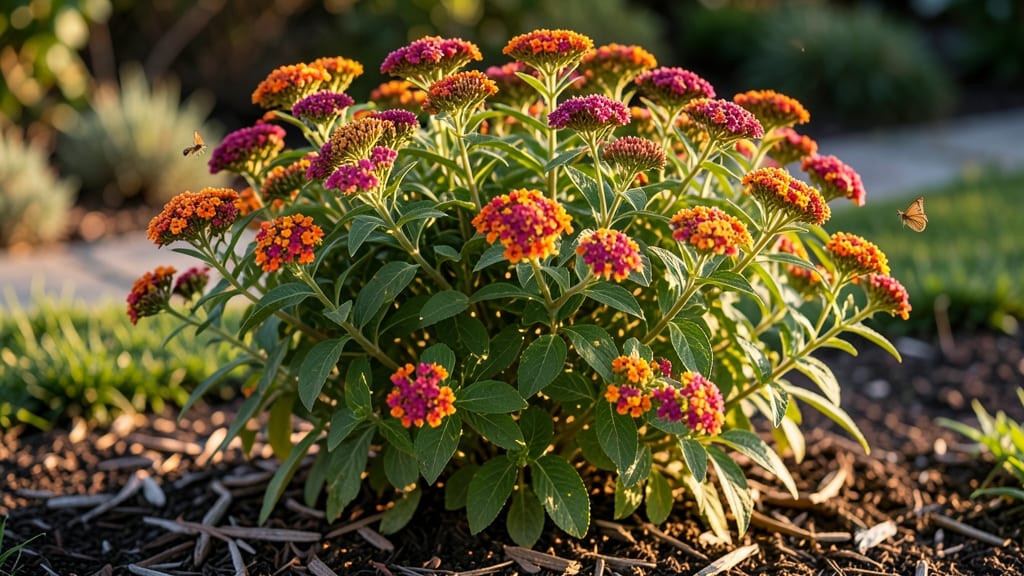
My full sun bushes in Zone 9 never wilt—even in 100°F heat. 🌵 I’ve tested these tough varieties over three summers, and they thrive where others collapse: Texas Sage with its silvery foliage, Firebush bursting with hummingbird magnets, and Bottlebrush that stays vibrant through droughts.
These aren’t just survivors; they’re showstoppers that turn your landscape into a sun-drenched oasis.
Planting them right is key—Zone 9 soil can be heavy or sandy, so amend with compost and ensure 6+ hours of direct sun daily. Space them 3–6 feet apart (depending on variety) to avoid competition, and water deeply once a week after establishment.
Most need minimal fuss once rooted—they’re built for resilience, not coddling.
You’ll love how they reward low maintenance with year-round color and texture. Prune lightly after blooms fade to encourage fresh growth, and watch pollinators flock to Firebush and Bottlebrush. These bushes handle heat better than most, so they’ll outperform floppy annuals every time.
Use them as privacy screens, hedges, or focal points—their drought tolerance makes them perfect for water-wise gardens. Pair Texas Sage with lavender for a fragrant border, or let Firebush’s red blooms pop against a stucco wall.
The possibilities are endless for a landscape that stays lush without the extra work.
📚 In This Guide
- What you need
- Instructions
- Tips and common mistakes
- Wrapping up and next steps
What you need
- ● Full sun bushes: 3–5 mature plants (e.g., Abelia, Lantana, or Texas Sage—check tags for Zone 9 suitability).
- ● High-quality potting soil: 1–2 bags (50 lbs each) of well-draining, organic soil mix (amend with perlite if clay-heavy).
- ● Organic fertilizer: 1 bag of slow-release 10-10-10 or composted manure (follow label rates).
- ● Mulch: 2–3 cubic feet of wood chips or pine straw (3–4 inches deep).
- ● Watering can or hose: With a soaker nozzle for deep hydration.
- ● Garden trowel or spade: For digging holes (12–18 inches wide/deep).
- ● Pruning shears: Bypass-style (sharp, clean cuts).
- ● Gloves: Heavy-duty for protection.
- ● Measuring tape: To ensure proper spacing (check plant tags).
- ○ Wheelbarrow: Optional, for hauling soil/mulch.
- ● Sunlight assessment: Confirm your site gets 6+ hours of direct sun daily (use a sun calculator app if unsure).
- ● Soil test: Check pH (ideal: 6.0–7.5 for most Zone 9 bushes). Adjust with lime/sulfur if needed.
- ● Water access: Nearby hose/spigot for post-planting care.
- ● Pest control plan: Neem oil or insecticidal soap (for aphids/spider mites).
Step-by-step guide to selecting and planting full sun bushes in Zone 9
Here's the method I trust to create a vibrant, low-maintenance sun-loving shrubbery display that thrives year-round.
🌱 Step 1: Choose the Right Bush Varieties for Your Conditions
Zone 9's full sun (6+ hours of direct sunlight) demands heat-tolerant, drought-resistant shrubs. I recommend starting with Texas Sage (Leucophyllum frutescens), Firebush (Hamelia patens), and Abelia (Abelia x grandiflora)—they all handle our intense sun and occasional dry spells beautifully. These varieties also offer year-round interest with flowers, foliage, or seasonal color changes.
For a more structured look, consider Dwarf Yaupon Holly (Ilex vomitoria 'Nana') or Mexican Feather Grass (Nassella tenuissima)—both thrive in full sun and require minimal pruning. Check your local nursery for native selections; they're already adapted to Zone 9's climate and soil conditions. I always verify a plant's mature size before purchasing to avoid overcrowding.
🪴 Step 2: Prepare the Planting Site for Optimal Growth
Select a location with well-draining soil—Zone 9's clay-heavy soils can suffocate roots if not amended. I test drainage by digging a 12-inch deep hole and filling it with water; if it drains in under an hour, the site is ready. For poor drainage, mix in 2-3 inches of compost and 1 inch of coarse sand before planting.
Space bushes according to their mature width: 3-5 feet apart for medium shrubs like Abelia, and 6-8 feet apart for larger varieties like Firebush. Dig holes twice as wide as the root ball but no deeper—this encourages roots to spread horizontally rather than settling too low. I always loosen the root ball slightly before placing it in the hole to prevent root circling.
☀️ Step 3: Plant and Establish for Long-Term Success
Place the shrub in the hole so the top of the root ball sits level with the surrounding soil—never bury the stem. Backfill with native soil mixed with 1 part compost, tamping gently to remove air pockets. Water deeply until moisture reaches 6 inches down, then let the soil settle for 24 hours before adding a 2-inch layer of mulch (keep mulch 6 inches away from the stem to prevent rot).
For the first 4-6 weeks, water deeply twice weekly unless rainfall provides 1 inch of moisture. You'll know the roots are establishing when new growth appears—this usually happens within 3-4 weeks of planting. Avoid fertilizing during this period; young roots are sensitive to salts. I use a drip irrigation system for new plantings to ensure consistent moisture without overwatering.
✂️ Step 4: Maintain Through Seasonal Transitions
Prune Firebush and Texas Sage immediately after flowering to encourage bushier growth, while Abelia responds best to light pruning in late winter or early spring. Always use sterilized shears and make cuts just above a leaf node or outward-facing bud. For shape, I remove no more than one-third of the plant's volume in a single pruning session—this prevents stress.
Monitor for pests like spider mites (common in full sun) and diseases such as powdery mildew—both thrive in hot, dry conditions. I spray affected areas with neem oil at the first sign of trouble. In Zone 9, most sun-loving bushes need minimal winter care; only semi-evergreen varieties may benefit from a light mulch layer in extreme cold snaps below 30°F.
⏰ Step 5: Plan for Year-Round Interest and Longevity
Layer bushes with spring bloomers (like Abelia), summer performers (Firebush), and fall/winter structure (Dwarf Yaupon) to ensure continuous visual appeal. I group plants by water needs—drought-tolerant varieties together, moderate-water bushes in another section—and adjust irrigation zones accordingly. This reduces waste and keeps each plant thriving.
Every 2-3 years, top-dress with 1-2 inches of compost in early spring to replenish nutrients without disturbing roots. I also rotate mulch annually to prevent mat formation, which blocks water and air from reaching the soil. With this approach, your full-sun shrubs will reward you with vibrant foliage, seasonal blooms, and minimal maintenance for decades.
Tips & tricks for thriving full sun bushes in Zone 9
These practical insights will help you transform your sunny landscape into a lush, low-maintenance oasis.
Variety Selection: When choosing between Texas Sage, Firebush, and Abelia, consider their seasonal performance. Texas Sage offers dramatic silver foliage and blooms after rain, while Firebush provides year-round red flowers that attract hummingbirds. Abelia delivers fragrant white blooms in spring and maintains glossy foliage through winter. I always plant at least one of each to ensure continuous color and interest throughout the year.
Soil Preparation: The 12-inch deep drainage test is your best friend for avoiding waterlogged roots in Zone 9's clay soils. If your test shows poor drainage, don't just add compost—mix in that 1 inch of coarse sand as well. This creates larger air pockets that prevent root suffocation. I've seen plants double in size within a season when planted in properly amended soil.
Planting Depth: Positioning the root ball so its top sits level with surrounding soil might seem obvious, but I've seen many gardeners bury stems too deeply. This creates a death zone where moisture collects and roots can't breathe. Use a small board or level to verify placement, and always keep that 2-inch mulch layer 6 inches away from stems to prevent rot.
Watering Strategy: Those first 4-6 weeks are critical for root establishment. I've found that using a drip irrigation system delivers water directly to the root zone without wetting foliage, which helps prevent fungal issues. Check soil moisture by pushing a finger 2 inches down—if it's dry, water again. The goal is consistent moisture, not soggy soil.
Pro Tips for Full Sun Bushes Zone 9
- These practical insights will help you transform your sunny landscape into a lush, low-maintenance oasis.
- Variety Selection: When choosing between Texas Sage, Firebush, and Abelia, consider their seasonal performance.
- Soil Preparation: The 12-inch deep drainage test is your best friend for avoiding waterlogged roots in Zone 9's clay soils.
Frequently asked questions
Got questions about growing full-sun bushes in Zone 9?
You’re not alone! Here are some of the most common concerns—and straightforward answers—to help you pick, plant, and maintain thriving shrubs that soak up the sun.
What are the best full-sun bushes for Zone 9 that require minimal maintenance?
Look for drought-tolerant varieties like Texas Sage (Leucophyllum frutescens), Lantana, or Firebush (Hamelia patens). These thrive in full sun, need little water once established, and offer year-round color or fragrance. Pro tip: Mulch with gravel or wood chips to retain moisture and suppress weeds!
When is the best time to plant full-sun bushes in Zone 9?
Plant in early spring (February–March) or fall (September–October) to avoid extreme heat. Avoid summer planting—young roots can’t handle the stress. If buying potted shrubs, water deeply before transplanting to reduce shock. Morning sun is gentler for newly planted bushes!
How often should I water full-sun bushes in Zone 9?
Newly planted bushes need weekly watering (1–1.5 inches per week), but established shrubs (after 1–2 years) often thrive on rainwater alone. Check soil moisture 2–3 inches deep—if dry, water deeply. Mulch (2–3 inches) helps retain moisture and regulate soil temp. Drip irrigation is ideal for consistent hydration!
What pests or diseases should I watch for in full-sun Zone 9 bushes?
Common issues include aphids, spider mites, or fungal diseases (like powdery mildew) in humid conditions. Preventative care:
- Spray bushes with neem oil for pests.
- Prune for airflow to reduce fungal risks.
- Choose native varieties (e.g., Wax Myrtle)—they’re naturally resistant!
Can I grow full-sun bushes in containers in Zone 9?
Opt for compact varieties like Dwarf Mexican Petunia (Ruellia brittoniana) or Bougainvillea. Use well-draining pots (at least 12–18 inches deep) and a cactus/succulent mix for heat-loving plants. Move containers to partial shade during peak afternoon sun (12–3 PM) if leaves scorch!
Wrapping up and next steps
Choosing the right full sun bushes for Zone 9 can transform your garden into a vibrant, low-maintenance oasis! From drought-resistant Texas Sage to fragrant Jasmine, these varieties thrive under the sun while adding color, texture, and life to your space.
With the right soil prep and care, you’ll enjoy year-round beauty with minimal effort.
Ready to get started? Pick your favorite bush, grab your gardening tools, and plant with confidence—your future garden will thank you! 🌿✨