
Shrubs
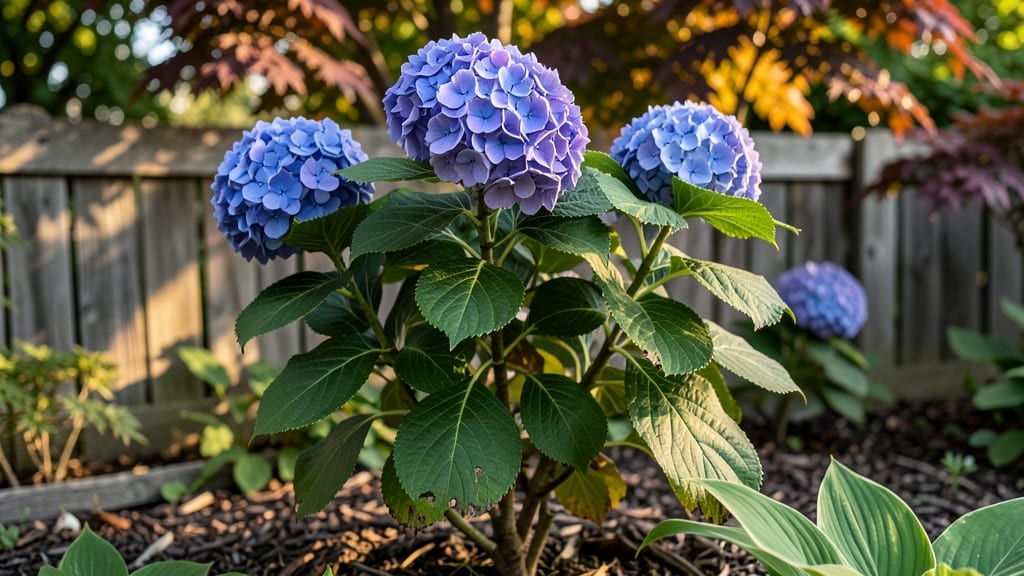
A full-grown hydrangea bush 🌸 can reach heights of 3 to 8 feet, transforming your garden into a lush, vibrant centerpiece—but only if you prune it right.
Picture this: your hydrangea blooms in stunning shades of blue or pink all summer, only to fade into a tangled mess by fall. That’s where a smart pruning calendar comes in, turning your year-round blooming vision into reality without cutting too much or too little.
Most gardeners don’t realize that when and how you prune depends on the type of hydrangea—mophead, panicle, or oakleaf—and each variety has its own timing for maximum flowers. Skip the guesswork and learn the secrets to keeping your bush healthy, full, and bursting with color.
In this guide, I’ll walk you through a month-by-month pruning schedule, the best tools to use, and how to spot when your hydrangea needs a little TLC. By the end, you’ll have a bush that’s not just full-grown, but thriving.
How to prune a full grown hydrangea bush by type for maximum blooms
Pruning your full grown hydrangea bush isn't a one-size-fits-all task—each variety has unique needs that determine when, how much, and which stems to cut. Understanding these differences is key to unlocking maximum blooms while maintaining plant health.
For example, mophead hydrangeas bloom on old wood, while panicle types thrive on new growth. Getting this wrong can mean fewer flowers or even plant stress. Let me show you how to prune each type correctly for a bush that stays vibrant and full year after year.
Before grabbing your pruners, identify your hydrangea type—this determines your entire pruning strategy. Mophead hydrangeas (like 'Endless Summer') produce their flower buds in late summer on last year's growth, while panicle hydrangeas (like 'Limelight') bloom on current season's growth. Oakleaf hydrangeas have unique foliage that benefits from different timing, and smooth hydrangeas require gentle handling.
Each type responds differently to pruning cuts, so let's break down the exact approach for each to ensure you're cutting at the optimal time for maximum blooms.
| Hydrangea Type | Bloom Time | Best Pruning Time | What to Cut | Cutting Amount |
|---|---|---|---|---|
| Mophead | Summer-Fall | After flowering (late summer) | Dead flowers, weak stems | Minimal (10-20%) |
| Panicle | Summer-Fall | Late winter (Feb-Mar) | 1/3 of plant height, dead wood | Moderate (30-50%) |
| Oakleaf | Summer-Fall | Late winter or after flowering | Dead stems, crossing branches | Light (10-15%) |
| Smooth | Summer-Fall | Late winter (Feb-Mar) | Old wood, weak growth | Moderate (25-35%) |
✂️ Key: Always use sharp, sterilized tools to prevent disease spread.
For mophead hydrangeas, the golden rule is to prune after flowering, typically in late summer. These beauties bloom on old wood, so cutting too early removes next year's flower buds. Focus on removing spent blooms and weak stems while keeping the plant's natural shape.
I recommend cutting just above a leaf node or outward-facing bud to encourage new growth in the right direction. This approach maintains your hydrangea's full, rounded form while ensuring next season's blooms won't be sacrificed.
Panicle hydrangeas are more forgiving—they bloom on new wood, so you can prune them aggressively in late winter while the plant is still dormant. Cut back 1/3 of the plant's height to encourage bushier growth and remove any dead or crossing branches that could cause disease.
This type thrives with regular pruning, so don't be afraid to shape it dramatically in winter. Just avoid cutting into the old wood center, as this can leave your plant with fewer blooms.
Oakleaf hydrangeas offer a unique challenge because they bloom on both old and new wood. To maximize flowers, prune lightly in late winter to remove dead stems, then again after flowering to shape the plant. The key is to avoid heavy cuts that stimulate too much new growth too late in the season. These varieties also have stunning foliage, so focus on maintaining an open structure that allows light to reach all leaves. A light pruning in fall can also help prepare the plant for winter.
If you have smooth hydrangeas, treat them like panicle types—they bloom on new wood and respond well to late winter pruning. Cut back 25-35% of the plant's height to encourage dense, bushy growth. Remove any old wood from the center to keep the plant healthy and open.
Smooth hydrangeas are particularly drought-tolerant, so pruning helps them maintain their structure during dry periods. Just be sure to water deeply after pruning to help the plant recover.
One common mistake I see is pruning mophead hydrangeas in late winter like panicle types. This can leave your plant with no blooms next season because you've removed the old wood where flower buds form.
Always double-check your hydrangea type before pruning—this simple step can save you from a season of disappointment. If you're unsure, observe your plant's blooming pattern: if flowers appear on last year's growth, it's an old-wood bloomer like mophead.
After pruning, don't forget to sterilize your tools and water deeply to help your hydrangea recover. I like to apply a layer of mulch around the base to retain moisture and protect
Monthly pruning calendar for hydrangeas: when to cut for best results
Pruning your full grown hydrangea bush at the right time ensures stunning blooms and a healthy structure. Different hydrangea types—like mophead, panicle, and oakleaf—require unique timing.
Late winter is ideal for dormant-season cuts, while summer deadheading keeps your plant looking tidy. Let’s break down the best monthly pruning schedule to maximize your hydrangea’s potential.
Timing matters! Cutting too early can remove next year’s flower buds, while waiting too long may stress your plant. For example, mophead hydrangeas bloom on old wood, so prune them right after flowering.
Meanwhile, panicle hydrangeas bloom on new wood, so you can prune them more aggressively in late winter. Understanding these differences prevents costly mistakes and keeps your hydrangea thriving.
🌸 Key Pruning Times for a Full Grown Hydrangea Bush
Prune panicle and smooth hydrangeas to shape and remove dead wood.
Avoid pruning mophead or oakleaf hydrangeas—wait until after blooming.
Deadhead spent blooms to encourage new growth and maintain shape.
Remove any damaged or diseased stems before winter dormancy.
✂️ Pro Tip: Always use sterilized pruners to prevent disease spread.
Start your hydrangea pruning journey in late winter (February-March), when your plant is still dormant. This is the perfect time to prune panicle hydrangeas and smooth hydrangeas, as they bloom on new wood.
Cut back 1/3 of the plant’s height to encourage fuller growth and remove any dead or crossing branches. Avoid pruning mophead or oakleaf hydrangeas during this time—they bloom on old wood, and pruning too early can mean fewer flowers next season.
As spring arrives, resist the urge to prune mophead hydrangeas until after they’ve finished blooming. These varieties store their flower buds on last year’s growth, so cutting too soon removes next year’s blooms.
Instead, focus on removing any damaged stems or suckers at the base. For panicle hydrangeas, you can lightly shape them in early spring to encourage bushier growth.
Summer is all about deadheading and maintaining your hydrangea’s shape. Once your mophead or oakleaf hydrangeas have finished blooming, trim back the spent flower heads to the nearest leaf node. This encourages new growth and keeps your plant looking neat.
For panicle hydrangeas, you can also prune them lightly in summer to maintain their size and shape, but avoid heavy cuts to prevent stressing the plant.
Don’t forget about fall maintenance! As temperatures drop, inspect your hydrangea for any damaged or diseased stems and remove them before winter. This helps prevent pests and diseases from overwintering in your plant.
For oakleaf hydrangeas, you can also prune lightly to shape them, but avoid heavy cuts that could stimulate new growth too late in the season.
By following this monthly pruning calendar, your full grown hydrangea bush will stay healthy, vibrant, and full of blooms year after year. Remember, the key is to prune at the right time for your specific hydrangea type and avoid cutting too aggressively.
With a little patience and care, your hydrangea will reward you with stunning color and lush foliage for seasons to come! 🌿