
Pruning
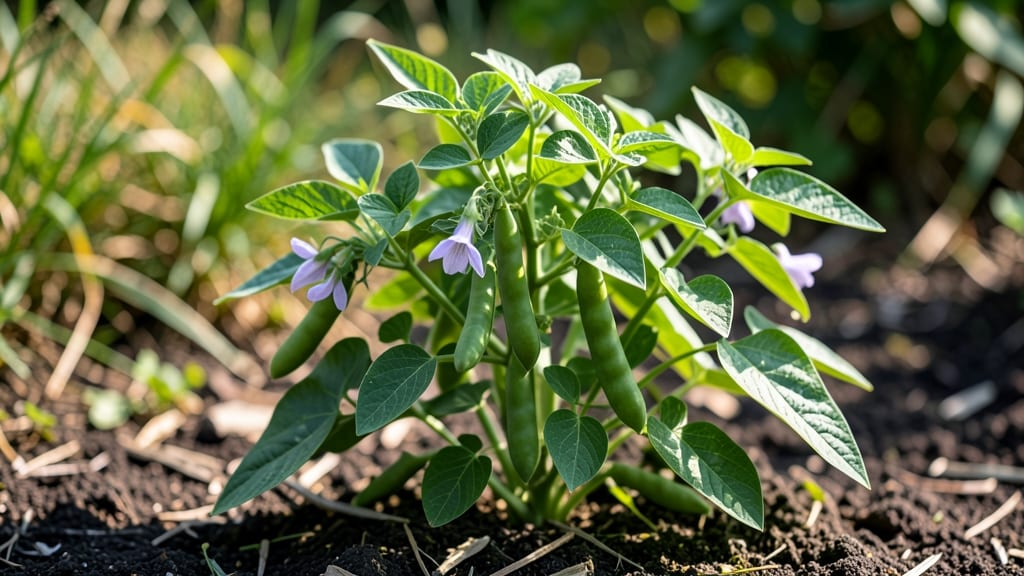
French bush beans transform a small corner of your garden into a green machine of steady, flavorful harvests—if you prune them right. 🌱 I’ve grown them for years, and the difference between a scraggly bush and a compact, high-yielding plant comes down to a few simple cuts made at the right time.
No fancy tools or horticultural degrees required, just sharp scissors and a little patience.
The secret isn’t about trimming leaves—it’s about encouraging the plant to focus its energy where it counts. Bush beans naturally grow in a compact form, but without pruning, they’ll sprawl, produce fewer pods, and waste energy on weak stems.
Start pruning when plants hit 12-18 inches tall, cutting back any leggy growth or crowded stems to just above a set of leaves. This keeps airflow circulating, reduces disease risk, and sends the plant’s energy into bigger, tastier pods.
What you’ll end up with is a bush that’s dense, upright, and bursting with pods from early summer until frost. The beans stay crisp, sweet, and easy to pick—no more hunting through tangled vines for a single pod.
And because bush beans are fast growers (60-70 days to harvest), you’ll see results in just a few months, not years.
Works in containers, raised beds, or in-ground plots—just give them full sun (6+ hours daily) and well-draining soil. Here’s how to keep them thriving from seed to harvest without the guesswork.
Root Causes Behind Bean Struggles
Understanding why your green beans—especially French bush varieties—fail to thrive or produce starts with digging into the science behind their growth. These plants are sensitive to environmental and cultural factors, and when things go wrong, it’s usually due to one (or more) of these key issues.
Let’s break down the real culprits behind common problems like stunted growth, poor pod development, or sudden wilting.
French bush beans (Phaseolus vulgaris) are compact but not claustrophobic.
When planted too closely together, they compete aggressively for sunlight, water, and nutrients, leading to: - Weak stems (prone to snapping under wind or rain) - Smaller, fewer pods (energy diverted to leaf growth instead of flowering) - Increased disease risk (poor airflow traps moisture, inviting fungal infections like rust or powdery mildew)
Why it happens: Beans rely on photosynthesis to fuel pod production. When leaves can’t access enough light due to shading, they produce less glucose, starving the plant. Additionally, overcrowded roots compete for nitrogen, a critical nutrient for bean growth. French bush beans thrive with 3–4 inches of space between plants—any less, and they’ll signal distress by slowing growth or dropping flowers.
Beans have shallow roots and are particularly sensitive to moisture extremes. Here’s how water stress derails them:
| Issue | Effect on Beans | Scientific Reason |
|---|---|---|
| Underwatering | Wilting, curled leaves, stunted growth | Cells lose turgor pressure (water loss > uptake), causing leaves to droop. Roots shrink from lack of hydration, reducing nutrient absorption. |
| Overwatering | Yellowing leaves, root rot, mold on pods | Oxygen depletion in soil triggers anaerobic bacteria, which smother roots and release toxins. Excess moisture also spreads fungal pathogens. |
| Inconsistent watering | Blossom end rot (black spots on pods), poor flowering | Fluctuating moisture stresses the plant, causing calcium uptake failures (critical for cell wall strength in pods). |
Pro tip: 🌡️ French bush beans need 1–1.5 inches of water per week, delivered at the base (not overhead). Mulch with straw to retain moisture and regulate soil temperature—consistency is key!
French bush beans are warm-season crops with a narrow comfort zone. Push them outside it, and they’ll either:
- Bolt prematurely (send up flowers/stems too early, producing bitter pods)
- Stop flowering entirely (heat stress > 90°F shuts down pollinators)
- Develop sunburn (leaves turn white/yellow in intense afternoon sun)
Why it happens:
- Cold snaps (<50°F nights): Beans cease flowering due to metabolic slowdown. Cold also triggers ethylene gas production, which can cause premature pod drop.
- Extreme heat (>95°F): Pollinators (like bees) become inactive, leading to failed pollination and empty pods. High temps also disrupt chlorophyll production, turning leaves yellow.
- Frost: Kills tissue instantly—beans are not frost-tolerant at any stage.
Actionable fix: 🌱 Plant in full sun (6–8 hours/day) but use shade cloth in peak summer if your climate exceeds 85°F. Choose heat-tolerant varieties (e.g., ‘Contender’ or ‘Blue Lake’) for hotter regions.
Beans are legumes, meaning they fix their own nitrogen via root nodules—but only if conditions are right. Miss the mark, and you’ll see:
| Symptom | Likely Cause | How to Fix It |
|---|---|---|
| Yellow lower leaves | Nitrogen deficiency | Side-dress with compost or blood meal; avoid over-fertilizing with synthetic N. |
| Stunted growth | Phosphorus or potassium lack | Add bone meal (P) or wood ash (K) at planting. |
| Black spots on pods | Calcium deficiency (blossom end rot) | Apply crushed eggshells or gypsum; water consistently. |
| Pale, weak stems | Magnesium or iron deficiency | Spray with chelated iron or add Epsom salt (magnesium sulfate) to soil. |
Key insight: Beans prefer lean soil—too much nitrogen (especially late in growth) leads to leafy growth at the expense of pods. Test your soil before planting!
French bush beans are magnets for pests (like Mexican bean beetles, aphids, and spider mites) and vulnerable to diseases (e.g., bacterial blight, powdery mildew). Here’s how they sneak in:
- Pests: Chew leaves/flowers, reducing photosynthesis and pod set. Some (like stink bugs) inject toxins, causing deformed pods.
- Diseases: Fungal/bacterial infections clog stomata (leaf pores), blocking gas exchange and leading to leaf drop or necrosis.
Why it happens:
- Poor airflow (from overcrowding) creates high humidity, perfect for fungal spores.
- Damaged leaves (from hail or pests) provide entry points for pathogens.
- Monoculture planting (growing beans in the same spot yearly) exhausts soil microbes, leaving plants defenseless.
Prevention: 🛡️ Rotate crops annually, use row covers for early pests, and prune lower leaves to improve airflow. Neem oil or soapy water sprays deter soft-bodied insects.
French bush beans are bush-type varieties, meaning they don’t vine—but they still benefit from light pruning to redirect energy.
Common mistakes: - Over-pruning (removing too many leaves) → reduces photosynthesis, starving the plant. - Pruning at the wrong time (e.g., cutting back during flowering) → delays pod production. - Ignoring yellow/diseased leaves → wastes plant resources on decaying tissue.
Why it happens: Beans allocate energy based on source-sink dynamics—leaves (sources) produce food for pods (sinks). Remove too many leaves, and the plant can’t sustain pod growth. Conversely, leaving dead leaves diverts nutrients away from new pods.
Best practice: ✂️ Prune only diseased or yellowing leaves (never >20% of foliage). Focus on opening the plant’s canopy for airflow, not aggressive shaping.
Fixing Overgrowth & Boosting Yields
Pruning your green beans (or haricots verts if you’re feeling fancy) isn’t just about aesthetics—it’s the secret to bigger harvests, healthier plants, and fewer pests. If your bush beans are sprawling wildly, flowering sparsely, or producing skinny pods, these targeted fixes will get them back on track.
Below, we’ll tackle the most common issues with step-by-step solutions, plus pro tips to keep your plants thriving all season.
Problem: Your beans are stretching toward the sky like they’re auditioning for a gymnastics routine, but the pods are small and far between.
Why It Happens: Overgrowth usually means the plant is putting energy into vines instead of pods. This can happen from:
- Too much nitrogen (lush leaves, weak structure)
- Inconsistent watering (stress = rapid, weak growth)
- Poor sunlight (shady spots force plants to stretch)
- Late pruning (missed the ideal window for shaping)
How to Fix It:
- 🔪 Trim the Top Growth
- Use clean, sharp pruners (or scissors) to snip the top 2–3 inches of the main stem. This encourages bushier growth and redirects energy to pod production.
- Pro Tip: Do this early in the morning so cuts heal faster in daylight.
- 🌿 Pinch Out Side Shoots - Look for secondary stems (smaller branches) growing from the main stem.
Pinch these off when they’re 3–4 inches long to prevent them from becoming energy vampires. - Exception: If you want longer pods, let one or two side shoots grow—but prune the rest aggressively.
- 🌞 Improve Light & Airflow
- Space plants 4–6 inches apart (if crowded) or thin seedlings to avoid competition.
- Rotate plants if they’re leaning toward a light source (e.g., a window or sun-facing wall).
- Pro Tip: A reflective surface (like a white sheet behind plants) can bounce extra light onto shaded areas.
Prevention for Next Season:
- Test your soil for nitrogen levels—too much = leafy monsters, not pods. Aim for a balanced 10-10-10 fertilizer (or compost tea).
- Water deeply but consistently—drought stress = weak stems. Aim for 1–1.5 inches per week.
- Plant in full sun (6+ hours daily). Partial shade = leggy, sad beans.
Problem: Your plants are leafy green machines, but where are the beans? This is classic "flower power failure"—the plant is prioritizing foliage over fruit.
Why It Happens:
- Over-fertilizing with nitrogen (greens up leaves, but no flowers).
- Temperature stress (too hot or cold = no pollination).
- Lack of phosphorus (needed for flowering and fruiting).
How to Fix It:
- 🌿 Balance the Fertilizer
- Stop nitrogen-heavy feeds immediately. Switch to a phosphorus-rich fertilizer (look for a 5-10-10 or 3-4-6 ratio).
- Quick Fix: Sprinkle bone meal (high in phosphorus) around the base and water it in.
- 🌡️ Adjust Growing Conditions
- Ideal temps: 70–80°F (21–27°C). If nights dip below 50°F (10°C), cover plants with frost cloth or move pots to a warmer spot.
- Pro Tip: Hand-pollinate if bees are scarce—gently shake plants in the morning to spread pollen.
- 🌿 Prune for Better Airflow
- Remove yellow or crowded leaves to improve airflow. This reduces humidity-related diseases (like rust or powdery mildew) that can stress plants.
- Bonus: More airflow = faster drying of dew = fewer fungal issues.
Prevention for Next Season:
- Side-dress with compost in early summer to boost phosphorus naturally.
- Mulch with straw to keep soil temps stable (no more cold snaps killing flowers).
- Plant companion flowers (like marigolds or nasturtiums) to attract pollinators.
Problem: Your beans look chewed, spotted, or wilted—thanks, pests and pathogens!
Why It Happens:
- Aphids, bean beetles, or Japanese beetles munch on leaves and pods.
- Powdery mildew or rust thrive in humid, shaded conditions.
- Root rot from overwatering or poor drainage.
How to Fix It:
| Issue | Quick Fix | Prevention |
|---|---|---|
| Aphids | Spray with soapy water (1 tsp dish soap + 1 quart water). Repeat every 3 days. | Introduce ladybugs or plant garlic/chives nearby. |
| Bean Beetles | Handpick adults and drop in soapy water. Use row covers early in the season. | Rotate crops—don’t plant beans in the same spot yearly. |
| Powdery Mildew | Spray with baking soda mix (1 tsp baking soda + 1 quart water + a drop of soap). | Space plants for airflow; avoid overhead watering. |
| Root Rot | Stop watering until soil is dry 2 inches down. Repot in fresh, well-draining soil. | Use containers with drainage holes or raised beds. |
Pro Tip: Neem oil (applied at dusk) is a multi-purpose fix for pests and fungal issues. Just mix 1 tsp neem oil + 1 tsp mild soap + 1 quart water and spray evenly.
Problem: Your beans stopped producing mid-season—now what?
Why It Happens:
- Heat stress (temps above 90°F/32°C).
- Exhausted soil (nutrients ran out).
- Over-pruning too late (cutting back after flowering).
How to Fix It:
- 💦 Water Deeply & Early
- Morning watering (before 10 AM) reduces evaporation. Aim for 1 inch per week (more in extreme heat).
- 🍂 Harvest Aggressively
- Pick all mature pods—even if small. This tricks the plant into producing more instead of wasting energy on old pods.
- 🌿 Give a Light Fertilizer Boost
- Use a low-nitrogen, high-potassium fertilizer (like 5-5-10) to support remaining flowers and pods.
- Alternative: Fish emulsion (diluted to 1 tbsp per gallon) for a gentle nutrient kick.
Prevention for Next Season:
- Succession plant every 2–3 weeks for a continuous harvest.
- Use shade cloth in scorching climates to protect plants.
- Extend the season with row covers or a cold frame in fall.
- 🔥 Prune at the Right Time: Always prune early in the season (first 4–6 weeks) to shape growth.
Avoid heavy pruning after flowering starts. - 🌡️ Watch the Weather: If rain is forecast, prune in the morning so cuts dry quickly (reduces disease risk). - 🔄 Rotate Tools: Sterilize pruners with rubbing alcohol between plants to prevent spreading disease. - 📅 Keep a Harvest Journal: Note when you prune, fertilize, and harvest—this helps you refine your routine next year.
With these fixes, your bush beans will go from wild and unruly to compact, high-yielding powerhouses. Happy pruning—and enjoy those crisp, tender pods! 🍽️🌿
Frequently asked questions
How close can I plant French bush beans together?
Space them 3–4 inches apart for optimal airflow and sunlight access. Crowding causes competition for nutrients, leading to weaker stems and fewer pods. If you're growing in containers, use one plant per 6-inch pot to prevent root binding.
When is the best time to harvest French bush beans?
Pick them when pods are 3–4 inches long and snap easily when bent. Harvest every 2–3 days to encourage continuous production. Wait too long, and the beans become tough and lose their sweet flavor.
Can I grow French bush beans in containers?
They thrive in 5-gallon containers or larger with drainage holes. Use a lightweight potting mix and place them in full sun (6+ hours daily). Just ensure the container is at least 12 inches deep for proper root growth.
Why are my French bush beans flowering but not producing pods?
This usually happens due to temperature stress (too hot or cold), lack of phosphorus, or poor pollination. Keep temps between 70–80°F and add bone meal for phosphorus. If bees are scarce, gently shake plants in the morning to spread pollen.
How do I store harvested French bush beans?
Store them in the fridge for up to 5 days in a sealed container with a paper towel to absorb moisture. For longer storage, blanch for 2 minutes and freeze in airtight bags. Avoid washing before storage—excess moisture causes spoilage.