
Shrubs
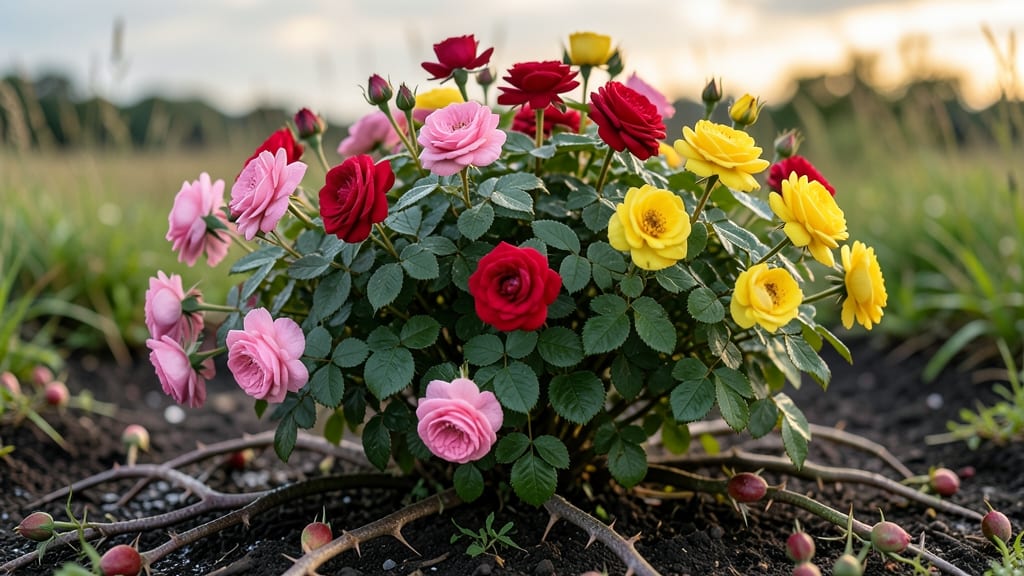
Nothing beats the sight of a dwarf rose bush blooming profusely in a small space—mine has been the star of my patio for three years now, and it’s still going strong. 🌹 The secret isn’t just picking the right variety; it’s giving these compact beauties the care they crave without the fuss of full-size roses.
They thrive in containers, along fences, or tucked into garden beds where bigger roses wouldn’t fit.
Start with the basics: 6+ hours of sunlight daily, well-draining soil, and a pot at least 12 inches deep (or a garden spot with loose, amended soil). Varieties like ‘Knock Out’ or ‘Playboy’ are foolproof for beginners, while ‘The Fairy’ adds delicate charm.
Prune after blooms fade to keep them tidy and encourage more flowers—it takes just 15 minutes and makes all the difference.
With consistent watering (about 1 inch per week) and a balanced fertilizer in spring, your dwarf rose will reward you with months of blooms.
Mine still flowers lightly in fall, and with a little winter protection (like wrapping the pot or mulching well), they bounce back stronger every spring. The best part? No deadheading required if you choose repeat-blooming varieties.
Troubleshooting is simple: yellow leaves often mean overwatering, while black spots signal fungal issues—just trim affected areas and improve airflow. Pests? A strong spray of water usually sends them packing.
These roses are tougher than they look, and once you see them covered in blooms, you’ll wonder why you didn’t start sooner.
📚 In This Guide
- What you need
- Instructions
- Tips and common mistakes
- Wrapping up and next steps
What you need
- ● Dwarf rose bush: Choose a compact variety (e.g., 'Playboy,' 'Bonica,' or 'Knock Out'). Buy 1-3 bare-root plants (fall/winter) or 1 potted plant (spring/summer).
- ● Well-draining potting mix: 5-10 gallons (for containers) or amend garden soil with compost (for in-ground planting).
- ○ Container (optional but ideal for small spaces): Minimum 12-inch diameter (deeper for climbing varieties).
- ● Drainage holes required—use a cache pot if needed.
- ● Fertilizer: Slow-release rose-specific granules (follow package rates).
- ● OR liquid fertilizer (e.g., 20-20-20) for potted roses.
- ● Mulch: 2-3 inches of organic mulch (e.g., shredded bark) to retain moisture.
- ● Pruning shears: Bypass pruners (sharp, clean, and sterilized with rubbing alcohol).
- ● Gloves & knee pads: Protect your hands and joints during planting!
- ● Rose food: Monthly Epsom salt (1 tbsp/gallon of water) for magnesium boosts.
- ● Stakes or cages: 3-4 ft tall for support (especially for climbing dwarf roses).
- ● Drip irrigation system: Automates watering and keeps roots happy.
- ● Fungicide: Preventative spray (e.g., copper fungicide) for humid climates.
- ● Reflective mulch: Aluminum foil around the base to deter pests.
Step-by-step instructions for planting and caring for dwarf rose bushes
Here’s the straightforward method I’ve used to keep my dwarf roses thriving for years—no fancy tricks, just reliable results.
🌱 Step 1: Choose the Right Location and Prepare the Soil
Dwarf roses need 6-8 hours of direct sunlight daily, so pick a spot that gets morning sun and afternoon shade if you live in a hot climate. I always test the soil first—dwarf roses prefer well-draining, slightly acidic soil (pH 6.0-6.5). If your soil is heavy clay, mix in 2-3 inches of compost to improve drainage.
Dig a hole twice as wide as the root ball but only as deep as the container it came in. This prevents burying the graft union (the swollen bump near the base of the stem), which can rot. Loosen the roots gently if they’re circling in the pot—this encourages them to spread into the new soil.
☀️ Step 2: Plant at the Correct Depth and Water Thoroughly
Place the rose bush in the hole so the graft union sits 1-2 inches above soil level. Backfill with the native soil, pressing lightly to remove air pockets. Water immediately after planting to settle the soil and eliminate gaps. You’ll know it’s right when the soil looks evenly moist but not soggy.
Add a 2-inch layer of mulch around the base (but not touching the stem) to retain moisture and suppress weeds. I use shredded bark because it breaks down slowly and improves soil structure over time. Water again after mulching to help it settle.
💧 Step 3: Establish a Watering and Fertilizing Routine
Dwarf roses need deep watering once a week (more in extreme heat) until they’re established. Water at the base, not overhead, to prevent fungal diseases. You’ll know they’re getting enough when the soil feels dry 1-2 inches below the surface—stick your finger in to check.
Feed with a balanced rose fertilizer (10-10-10) every 4-6 weeks during the growing season (spring through fall). I halve the recommended dose because dwarf roses are sensitive to over-fertilizing. Stop fertilizing in late summer to encourage hardier growth before winter.
✂️ Step 4: Prune for Shape and Health
Prune your dwarf rose twice a year: once in late winter/early spring (just before new growth starts) and again after the first flush of blooms. Cut back one-third of the oldest canes to encourage new growth, and remove any dead, diseased, or crossing branches. Always make cuts at a 45-degree angle just above an outward-facing bud.
Deadhead spent blooms regularly to redirect energy into new flowers. I pinch off faded blooms with my fingers—no need for shears. This keeps your bush looking tidy and encourages continuous blooming throughout the season.
🪴 Step 5: Protect and Maintain Through Seasons
In fall, reduce watering as temperatures drop. Once nighttime temps stay below 40°F, cover the base with 4-6 inches of mulch to insulate roots. In spring, remove the old mulch and refresh it with new material to prevent disease buildup.
Watch for pests like aphids or spider mites—spray with neem oil if you spot them early. I check my roses weekly during growing season, and a quick wipe with soapy water usually clears up minor infestations before they spread.
Tips & tricks for perfect dwarf rose bush care
Here's what nobody tells you about keeping dwarf roses thriving without the guesswork.
Sunlight Secret: Those 6-8 hours of sunlight are non-negotiable, but here's the thing: morning sun and afternoon shade works best in hot climates. If your location gets intense afternoon sun, consider planting near a wall or fence that provides natural shade during peak heat hours. I've seen roses struggle when they get direct midday sun—leaves burn and flowers wilt faster.
Soil Test Tip: Before planting, grab a simple soil test kit from your garden center. Dwarf roses prefer that pH 6.0-6.5 range, but most garden soil tests around 6.5-7.5 naturally. If yours tests higher than 7.0, mix in some peat moss or sulfur to bring it down. I've had to adjust soil pH twice before getting it just right—don't skip this step if your soil feels heavy or alkaline.
Planting Depth Visual: When placing your dwarf rose, use a pencil to mark where the graft union should sit—1-2 inches above soil level. This swollen bump is crucial for disease resistance. I've seen beginners bury it completely, which leads to rot. After planting, press soil gently around roots—you want firm contact but no compaction that restricts water flow.
Watering Wisdom: That once-a-week deep watering is key, but here's how to check properly: stick your finger 1-2 inches into the soil. If it feels dry at that depth, water thoroughly until it runs out the bottom of the pot. I use a moisture meter now—it's worth the $10 investment to avoid over or under-watering. And always water at the base, not the leaves, to prevent fungal issues.
Pro Tips for Dwarf Rose Bush
- Here's what nobody tells you about keeping dwarf roses thriving without the guesswork.
- Sunlight Secret: Those 6-8 hours of sunlight are non-negotiable, but here's the thing: morning sun and afternoon shade works best in hot climates.
- Soil Test Tip: Before planting, grab a simple soil test kit from your garden center.
Frequently asked questions
Got questions about growing and caring for dwarf rose bushes? You’re not alone! Here are some of the most common concerns—plus straightforward answers to help you keep your compact roses thriving.
What’s the best time of year to plant a dwarf rose bush?
Plant your dwarf rose in early spring or early fall when temperatures are mild (50–70°F). Avoid extreme heat or cold, as roots need time to establish before stress sets in. If planting in summer, water deeply and mulch to retain moisture.
How often should I water a dwarf rose bush?
Water deeply 1–2 times per week, aiming for about 1 inch of water. Newly planted bushes need more frequent watering (every 2–3 days) until roots settle in. Pro tip: Water at the base—not the leaves—to prevent fungal diseases like black spot.
Do dwarf roses need pruning? How much?
Yes! Prune in early spring to shape the bush and encourage blooms. Remove dead, crossing, or weak stems, then cut back remaining canes by ⅓. Bonus: Deadhead spent blooms all season to prolong flowering.
What pests or diseases should I watch for in dwarf roses?
Common issues include aphids, spider mites, and powdery mildew. Spray with neem oil or insecticidal soap for pests, and ensure good airflow to prevent fungal diseases. Prevention tip: Space bushes 12–18 inches apart and avoid overhead watering.
Can I grow dwarf roses in containers? What’s the best pot size?
Use a container at least 12–15 inches deep with drainage holes. Opt for a self-watering pot if you travel often. Dwarf roses thrive in containers but may need regular feeding (every 4–6 weeks with rose fertilizer).
How do I keep my dwarf rose bush blooming all season?
For continuous blooms, fertilize monthly with a balanced rose food (10-10-10 or similar). Prune lightly after each flush of flowers, and remove spent blooms promptly. Sunlight secret: Place in full sun (6+ hours/day) for best results!
Wrapping up and next steps
Growing a dwarf rose bush is a rewarding way to bring vibrant color and charm to your garden—no matter the season! These compact beauties thrive with minimal space and care, making them perfect for containers, small yards, or even urban patios.
Whether you’re a beginner or a seasoned gardener, their low-maintenance nature ensures years of joy with just a little patience and love.
Ready to transform your outdoor space? Start by choosing your favorite variety, gather your supplies, and plant with confidence. Your blooming masterpiece is just a few steps away—happy gardening! 🌸