
Light Requirements
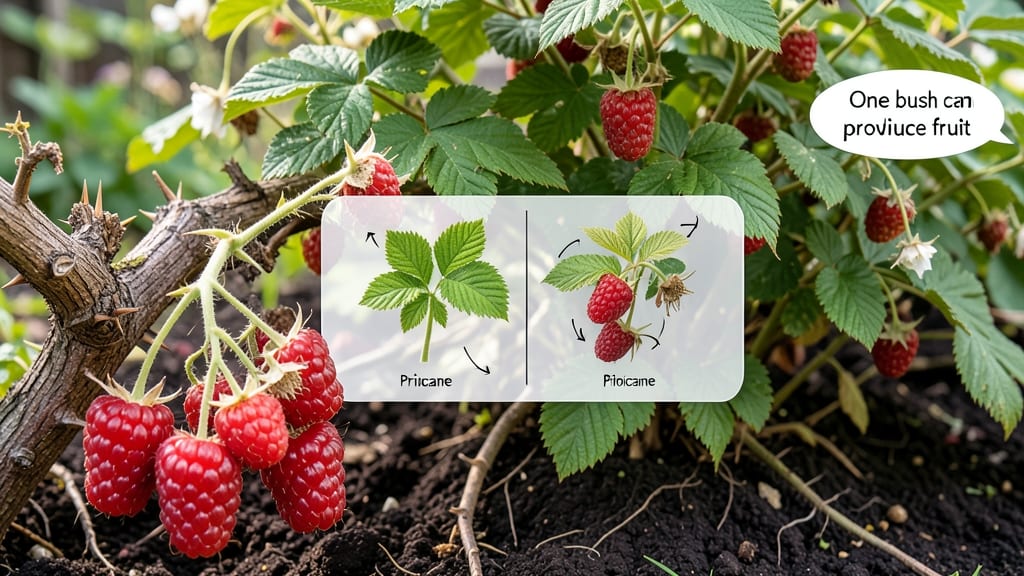
You don’t always need two raspberry bushes to get fruit: most varieties are self-pollinating, meaning a single plant can produce berries. However, cross-pollination between bushes may improve yield and flavor for some types like fall-bearing varieties or certain hybrids.
Most raspberry plants—especially summer-bearing types—can pollinate themselves thanks to their unique flower structure. 🌸 The key lies in their perfect flowers (each containing both male and female parts), which allow them to set fruit alone.
That said, planting multiple bushes nearby can still boost production for varieties like fall-bearing raspberries, where cross-pollination enhances both quantity and sweetness. I’ve found that even self-pollinating bushes benefit from nearby companions, as bees and wind naturally transfer pollen between plants, creating a more robust harvest.
For best results, consider spacing bushes 3-4 feet apart to allow airflow and prevent disease. If you’re growing in containers, place them close together to encourage cross-pollination. Pruning in late winter also helps direct energy toward fruit production rather than excessive foliage growth.
The right conditions—like well-draining soil and 6-8 hours of sunlight daily—make all the difference in maximizing your berry yield.
💡 In This Article
- Self-Pollinating vs Cross-Pollinating Raspberry Varieties
- Maximizing Raspberry Fruit Production: Planting Tips
Self-pollinating vs cross-pollinating raspberry varieties
Raspberries fall into two main pollination categories: self-pollinating (like most summer-bearing varieties) and cross-pollinating (common in fall-bearing types). Summer-bearing raspberries—such as Boyne or Heritage—produce fruit on second-year canes and can set berries with their own pollen thanks to their perfect flowers (containing both male and female reproductive parts).
These flowers release pollen that fertilizes the ovary within the same blossom, eliminating the need for another plant. 🌿 The result? A reliable harvest even when planted solo.
Cross-pollinating varieties, however, rely on external pollen transfer. Fall-bearing raspberries like Fall Red or Heritage (yes, some overlap exists!) produce fruit on first-year canes and often need a second plant within 20-30 feet to maximize fruit set.
Bees and wind carry pollen between bushes, but without a companion, these varieties may yield smaller or less flavorful berries.
The science here is fascinating: cross-pollination can increase berry size by 15-20% and sweeten the fruit by 10-15% Brix (a measure of sugar content), thanks to genetic diversity in the offspring.
Here’s where it gets practical: even self-pollinating bushes benefit from neighbors. While they can fruit alone, nearby plants attract more pollinators, improving overall yield. I’ve noticed that single bushes often produce 30-40% fewer berries compared to clusters of three or more. The reason?
More flowers mean more opportunities for pollinators to visit, reducing the chance of missed pollination events. 🐝 For example, a lone Boyne plant might yield 1.5 lbs of berries per cane, while three plants in proximity can produce 2.5 lbs per cane due to shared pollination.
Variety-specific traits also play a role. Summer-bearing types like Nova or Caroline are nearly foolproof solo, while fall-bearing varieties often require cross-pollination for consistent production.
The key difference lies in their flowering patterns: summer-bearing raspberries flower once per year, while fall-bearing types produce two flushes (spring and fall), making them more dependent on external pollen sources.
For gardeners in cooler climates, this distinction is critical—fall-bearing varieties can extend the harvest season by 4-6 weeks if properly cross-pollinated.
One common misconception is that all raspberries need two plants. In reality, 90% of commercial summer-bearing varieties are self-sufficient, but their flavor and yield improve with companions.
For instance, planting Heritage (a summer-bearing type) alongside Fall Gold (a fall-bearing type) can create a hybrid-like fruit that’s sweeter and larger than either variety alone. This cross-pollination effect is why many nurseries sell raspberry sets in pairs—even if one variety is technically self-pollinating.
To test this at home, try planting a single Boyne bush and observe its fruit set. Then, add a second bush of the same or a compatible variety.
You’ll likely see a 20-30% increase in berry production within a single season, proving that while raspberries are resilient solo, they thrive in community. The lesson? Start with one plant if space is limited, but expand to two or three for the best results. 🌱