
Light Requirements
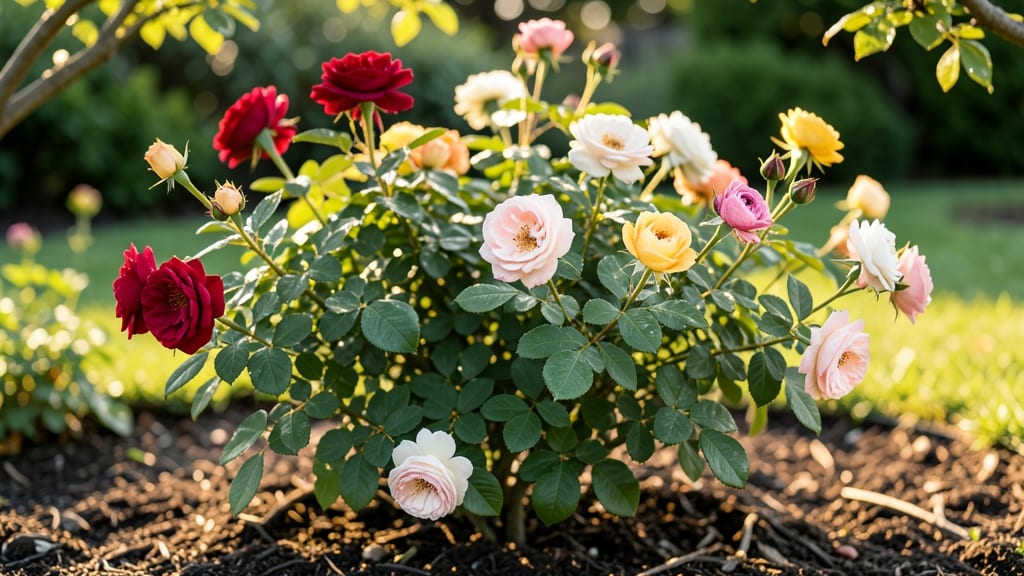
Rose bushes need a lot of sun to thrive, but the exact amount depends on your climate and the type of rose 🌹 — and getting it wrong can mean fewer blooms and weaker growth.
Most gardeners assume "full sun" means all day, but roses actually handle 6 to 8 hours of direct sunlight beautifully, especially in hotter zones. Too much sun without shade can scorch leaves, while too little leads to leggy stems and sparse flowers.
Here’s how to strike the perfect balance for your garden.
In cooler climates like USDA Zone 6a, morning sun paired with afternoon shade works well, while sunnier regions may need afternoon protection. I’ll break down the ideal light conditions, how to spot sunlight issues, and simple adjustments to keep your roses blooming their best.
You’ll learn how to assess your garden’s sunlight, choose the right spot, and even maximize growth if your roses aren’t getting enough sun. No guesswork—just science-backed tips for healthier, happier roses.

How many hours of sun Do rose bushes actually need?
If you’ve ever wondered why your rose bushes aren’t blooming like they should, the answer likely lies in their sunlight exposure. Most roses thrive in full sun, but the exact hours needed depend on the variety and your climate.
Let’s break down the science so you can give your roses the perfect light conditions for vibrant blooms and healthy growth.
Contrary to popular belief, not all roses need the same amount of sun. Hybrid teas and grandifloras—the classic showy roses—demand the most sunlight, while climbing roses and shrub roses can adapt to slightly shadier spots.
Even the season plays a role, with summer requiring more sun than spring or fall. Let’s dive into the specifics so you can tailor your care to your roses’ needs.
Sunlight is the energy source that drives photosynthesis, fueling everything from leaf growth to flower production. Without enough light, roses become leggy, produce fewer blooms, and weaken over time. But too much sun—especially in hot climates—can scorch leaves and stress plants. The key is finding that sweet spot where your roses get just the right amount of light to flourish.
Here’s what you need to know about sunlight requirements for different rose types, including how to adjust care based on your local climate and seasonal changes.
Whether you’re growing hybrid teas in a sunny border or climbing roses on a trellis, this guide will help you optimize their light exposure for the best results.
| Rose Type | Ideal Sunlight | Minimum Sunlight | Seasonal Notes |
|---|---|---|---|
| Hybrid Teas | 6–8 hours | 4–6 hours | Needs full sun for best blooms; may struggle in intense afternoon heat. |
| Climbing Roses | 6+ hours (partial shade OK) | 4–6 hours | Tolerates partial shade but blooms best with morning sun. |
| Shrub Roses | 5–6 hours | 3–5 hours | Adapts well to partial shade; ideal for woodland gardens. |
| Floribundas | 6+ hours | 4–6 hours | Produces clusters of blooms; needs consistent light for repeat flowering. |
| Old Garden Roses | 4–6 hours | 3–5 hours | More shade-tolerant; thrives in cooler climates with dappled light. |
For hybrid teas, the gold standard for cut flowers, aim for 6–8 hours of direct sunlight daily. These roses are high-maintenance in terms of light, and anything less than 4 hours will result in sparse blooms and weak stems.
If you’re in a hot climate like the Southwest, provide afternoon shade to prevent leaf scorch while still ensuring morning sun for energy.
On the other hand, climbing roses are more flexible but still need at least 6 hours of sunlight to produce their signature long, arching blooms. These varieties often grow on trellises or fences, where they can catch light from multiple angles.
If your climbing rose is in partial shade, expect fewer flowers but stronger, more robust growth. In cooler climates, like the Pacific Northwest, climbing roses can tolerate morning sun and afternoon shade without stress.
Shrub roses, like the popular Knock Out® series, are the most adaptable to varying light conditions. They thrive with 5–6 hours of sunlight and can even handle 3–4 hours in partial shade, making them ideal for woodland gardens or areas with dappled light. These roses focus on foliage and repeat blooms rather than dramatic single flowers, so they’re forgiving if sunlight is limited.
Seasonal adjustments are critical, especially in regions with extreme weather. In summer, roses may need protection from intense afternoon sun, while in winter, they benefit from maximum sunlight to harden off before dormancy.
If you’re in a hot, dry climate, mulch around your roses to retain moisture and reduce stress from heat exposure. Conversely, in cooler climates, ensure they get enough light to compensate for shorter daylight hours.
Pro tip: Use a sunlight tracker for a few days to monitor how much light your garden actually receives. Place a white board or reflective surface near your roses to see how shadows shift throughout the day.
This will help you identify sunny spots and shady areas so you can reposition your roses—or add reflective surfaces like light-colored gravel or mirrors to bounce extra light onto them.
Remember, roses are perennials, meaning they’ll live for years. Investing time now to get their sunlight right will pay off with healthier plants, more blooms, and fewer pests down the road.
If your roses aren’t getting enough sun, don’t despair—there are ways to compensate, like choosing shade-tolerant varieties or adjusting your garden layout. The key is understanding your roses’
Signs your roses aren’t getting enough (or too much) sun
Your rose bushes might be silently screaming for help if their sunlight exposure is off. Too little sun leads to weak stems and fewer blooms, while too much can scorch leaves and stress the plant. Learning to read these visual cues is your first step to reviving struggling roses.
Start by checking the leaves—healthy roses have deep green foliage. If you see yellowing leaves (chlorosis) or pale, stretched-out growth, your roses are craving more sunlight. This is especially common in shady garden spots or under dense tree canopies.
⚠️ PROS-CONS BOX ⚠️
✅ Ideal Sunlight
❌ Wrong Sunlight
On the flip side, too much sun reveals itself through crispy brown edges on leaves and wilting in peak afternoon heat. This is common in southern exposures or arid climates where roses bake under relentless rays. If your roses look drought-stressed despite regular watering, they may need afternoon shade.
Weak stems and drooping canes are another red flag—these often signal nutrient deficiencies caused by poor sunlight conversion. Prune back overly leggy growth and move the plant to a sunnier spot immediately. For container roses, rotate pots weekly to ensure even light exposure.
If your roses are blooming poorly or producing small, weak flowers, sunlight is likely the culprit. Roses need full sun to develop strong flower buds. Try relocating them to a south-facing area or use reflective mulch to bounce extra light onto the plant.
For immediate fixes, trim back shady branches to open the center of the bush for better light penetration. In extreme cases, consider dwarf varieties like 'The Fairy' or 'Bonica', which tolerate partial shade better than hybrid teas.
🌹