
Shrubs
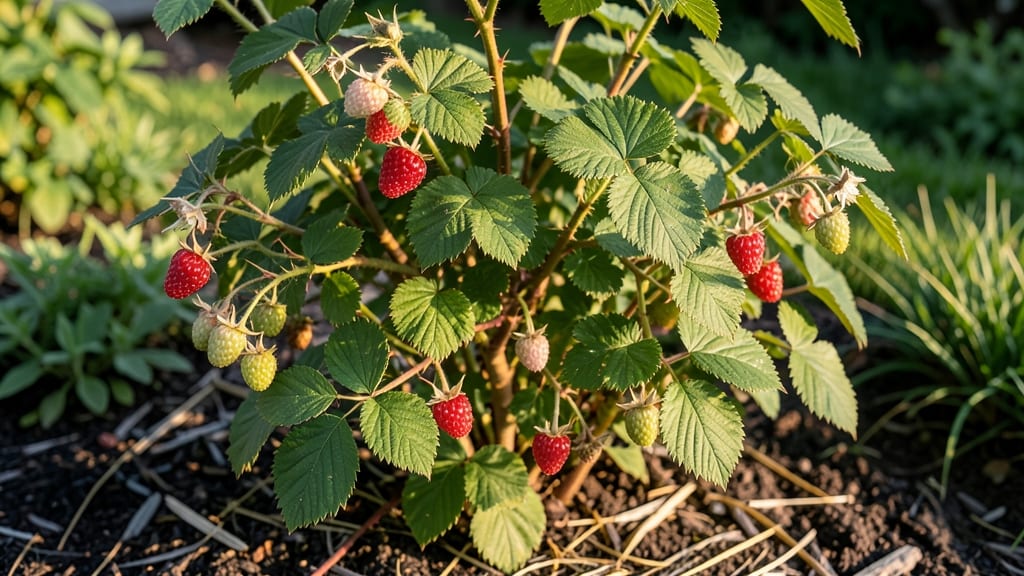
Raspberry bushes absolutely come back every year—perennial is the perfect word for them. 🌱 After their first harvest, they’ll send up fresh canes from the roots each spring, ready to produce fruit again (and again, and again).
The secret to their return? Proper winter care and understanding their two-year growth cycle.
Here’s the thing—raspberries grow on floricanes (second-year canes) and primocanes (first-year growth). In colder zones, they go dormant in winter but stay alive underground, bursting back with new shoots when temperatures rise. In milder climates, they might keep growing year-round, but they still need rest to fruit well.
To keep them thriving, prune old canes after harvest and mulch heavily in winter. A thick layer of straw or leaves protects roots from freeze-thaw cycles. With this care, your bushes will reward you with years of harvests—some varieties live for decades.
Regional tweaks matter: Northern growers might need winter protection, while Southern gardeners should watch for heat stress. But no matter where you garden, these bushes are built to come back—stronger each season if you give them the right care.
📚 In This Guide
- What you need
- Instructions
- Tips and common mistakes
- Wrapping up and next steps
What you need
- ● Raspberry canes (bare-root or potted): 2–4 plants per 10-foot row (spaced 2–3 feet apart)
- ● Choose fall-bearing (red, black) or summer-bearing (golden, purple) varieties
- ● Well-draining soil: pH 5.5–6.5 (test with a soil kit or send a sample to a lab)
- ● Amend with compost (1–2 inches mixed into top 6 inches of soil)
- ● Organic mulch: 3–4 inches of straw, wood chips, or pine needles (keeps roots cool and moist)
- ● Fertilizer: Balanced 10-10-10 or organic (e.g., composted manure or fish emulsion)
- ● Apply spring and early summer (follow package rates)
- ● Garden tools: Trowel or transplant spade
- ● Pruners (clean, sharp, and disinfected with rubbing alcohol)
- ● Garden gloves (to protect from thorns!)
- ● Watering supplies: Drip irrigation or soaker hose (for deep, consistent watering)
- ● Watering can (for seedlings or small patches)
- ○ Support system (optional but helpful): T-posts or stakes (for trellising—3–4 feet tall)
- ● Wire or nylon mesh (for weaving canes—18–24 inches apart)
- ● Sunlight: Full sun (6–10 hours daily)—raspberries love it!
- ● Water access: 1–1.5 inches per week (more in extreme heat)
- ● Space: At least 3 feet between rows for airflow and maintenance
- ● Patience: First harvest in 1–2 years (but canes will return yearly after establishment!)
Understanding perennial raspberry care for year-after-year harvests
Here’s how to ensure your raspberry bushes thrive as perennials—no replanting required.
🌱 Step 1: Identify Your Raspberry Variety and Planting Zone
Raspberries are perennials, but their hardiness varies by type. Summer-bearing varieties (like 'Boyne' or 'Heritage') produce fruit on second-year canes, while fall-bearing types (like 'Autumn Britten') fruit on first-year canes. Check your USDA planting zone—most raspberries thrive in zones 4-9, but some primocanes (fall-bearing types) extend into zone 3.
If you’re unsure, observe your bushes after harvest: summer-bearing types will have bare canes after fruiting, while fall-bearing types retain green growth. This distinction determines your pruning strategy. I always mark varieties with colored flags at planting to avoid confusion later.
☀️ Step 2: Provide Year-Round Optimal Growing Conditions
Perennial raspberries need full sun (6-8 hours daily) and well-draining soil with a pH of 5.5-6.5. Amend heavy clay soil with 2-3 inches of compost before planting, and mulch annually with 3-4 inches of organic mulch (like wood chips) to retain moisture and suppress weeds. I top-dress with a balanced 10-10-10 fertilizer in early spring—just sprinkle it over the mulch and rake it in lightly.
Watch for signs of stress: yellowing leaves often mean poor drainage, while stunted canes signal nutrient deficiency. Raspberries are heavy feeders, so I side-dress with aged manure or compost tea mid-summer to replenish nutrients after fruiting. Never let the soil dry out completely—consistent moisture prevents cane dieback.
✂️ Step 3: Master Seasonal Pruning for Perennial Growth
Summer-bearing raspberries require two pruning cycles: first in late winter (before buds swell) to remove dead or weak canes, then in summer after harvest to cut out fruited canes at ground level. Fall-bearing types only need winter pruning—remove all canes after harvest since they’ll fruit on new growth next year. I prune on a dry day to reduce disease risk, using clean, sharp loppers.
Never prune more than one-third of the canes at once—this disrupts the plant’s energy balance. After pruning, rake up debris to prevent fungal diseases like cane blight. Healthy canes should be thick (½ inch diameter) and upright, with no signs of rust or spots. If you see powdery mildew, spray with neem oil as a preventive measure.
💧 Step 4: Water and Protect Through Dormancy
Perennial raspberries need 1-1.5 inches of water weekly, but increase to 2 inches during fruit ripening. I use soaker hoses to deliver water at the base, avoiding wetting foliage to prevent disease. In late fall, reduce watering but keep the soil slightly moist—this prevents winter desiccation. Mulch heavily (4-6 inches) before the first frost to insulate roots.
Young bushes (under 3 years) benefit from winter protection in colder zones. Wrap canes loosely with burlap or use straw mulch to shield them from harsh winds. In zone 4 or colder, I mound soil around the base for extra insulation. By early spring, remove winter wraps to allow airflow and prevent rot.
🌿 Step 5: Renew and Revitalize Over Time
Raspberry bushes live 10-15 years, but productivity declines after 5-6 years. To rejuvenate, thin out old canes annually, replacing them with new suckers from the crown. I dig up and transplant the strongest suckers to new locations—this keeps the patch vigorous. Divide clumps every 3-4 years to prevent overcrowding, which reduces fruit quality.
Watch for cane decline: if more than 20% of canes are weak or diseased, it’s time to renew the patch. Healthy bushes produce 3-5 pounds of berries per cane—if yields drop below 1 pound per cane, consider replacing the entire plant. I rotate varieties every few years to manage pests and diseases naturally.
Tips & tricks for thriving perennial raspberry bushes
These practical insights will help you transform your raspberry patch from a one-year wonder into a decade-long harvest machine.
Variety Identification: I can't stress enough how critical it is to know your raspberry type—summer-bearing versus fall-bearing makes all the difference in pruning strategy. Here's my trick: take photos of your canes after harvest and compare them to reference guides. Summer-bearing types will have completely bare canes, while fall-bearing types retain green growth. This simple visual check saves hours of confusion during pruning season.
Soil Preparation Strategy: The 2-3 inches of compost I recommend in Step 2 should be worked into the top 6-8 inches of soil, not just spread on top. Think of it like building a foundation—raspberries need deep, loose soil to establish strong roots. I use a broadfork to aerate compacted soil before adding compost, which creates perfect drainage channels for those deep roots. This one step prevents the dreaded cane dieback that plagues many gardeners.
Pruning Precision: When you're pruning in Step 3, cut canes at ground level but leave a small bump—this prevents soil-borne diseases from traveling up the stem. And here's what nobody tells you: use your pruners to make a clean cut at a slight angle, about 1/4 inch above a bud. This angled cut helps water run off and reduces the risk of fungal infections. I always sterilize my tools with rubbing alcohol between cuts to prevent spreading disease.
Winter Protection Hacks: For those in zone 4 or colder, my soil-mounding technique works wonders. After the first hard frost, mound soil 6-8 inches high around the base of the plant—this creates an insulating barrier that protects roots from freezing. I also wrap young canes with burlap sleeves filled with straw, which traps heat while allowing airflow. The key is to remove these wraps in early spring before buds begin to swell, or you'll trap too much moisture and risk rot.
Pro Tips for Do Raspberry Bushes Come Back Every Year
- These practical insights will help you transform your raspberry patch from a one-year wonder into a decade-long harvest machine.
- Variety Identification: I can't stress enough how critical it is to know your raspberry type—summer-bearing versus fall-bearing makes all the difference in pruning strategy.
- Soil Preparation Strategy: The 2-3 inches of compost I recommend in Step 2 should be worked into the top 6-8 inches of soil, not just spread on top.
Frequently asked questions
Got questions about raspberry bushes and their perennial nature?
You’re not alone! Here are answers to the most common queries to help you grow like a pro.
Do raspberry bushes die in winter, or do they come back every year?
Raspberry bushes are perennials, meaning they die back in winter but regrow from their roots each spring. With proper care (like mulching and protecting from harsh cold), they’ll thrive for years—some even for decades! Just prune old canes in late winter to encourage new growth.
How do I know if my raspberry bush is alive after winter?
Check for green shoots emerging from the base in early spring. If you see no new growth by late April (varies by climate), the bush may have died due to frost, disease, or poor soil. Dig up a small section of the root to confirm—brown roots = dead, white/light roots = alive!
Can I grow raspberries in one spot forever, or do they need replanting?
Raspberries don’t need replanting if they’re healthy, but their productivity declines after 5–10 years due to soil depletion or disease buildup. Renew the bed by removing old canes, amending soil with compost, and rotating crops if needed. Pro tip: Plant new bushes nearby and gradually replace old ones.
What should I do if my raspberry bush doesn’t come back after winter?
First, rule out frost damage—young bushes are most vulnerable. If the roots are alive but no shoots appear, try:
- Warm the soil with black plastic mulch or a cold frame.
- Fertilize lightly with balanced 10-10-10 in early spring.
- Check for rodents (they gnaw roots in winter) or disease (like cane blight).
Are there any raspberry varieties that are easier to grow back yearly?
Yes! Summer-bearing varieties (like ‘Boyne’ or ‘Heritage’) and fall-bearing everbearing types (like ‘Carolina’ or ‘Heritage Gold’) are hardier and more reliable. Evergreen varieties (e.g., ‘Raspberry Shortcake’) keep foliage year-round in mild climates, reducing winter stress. Choose based on your USDA zone for best results.
Wrapping up and next steps
So, do raspberry bushes come back every year? Absolutely! 🌱 These hardy perennials reward patience with delicious harvests for years—just give them the right care, space, and a little winter prep.
Whether you’re a first-time gardener or a seasoned green thumb, your raspberry patch can thrive with consistent attention to pruning, soil health, and protection from pests.
Ready to level up your garden? Start by planting a new variety this season or tending to your existing bushes with the tips you’ve learned. A little effort now means bountiful berries for years to come—happy gardening! 🍓✨