
Pests
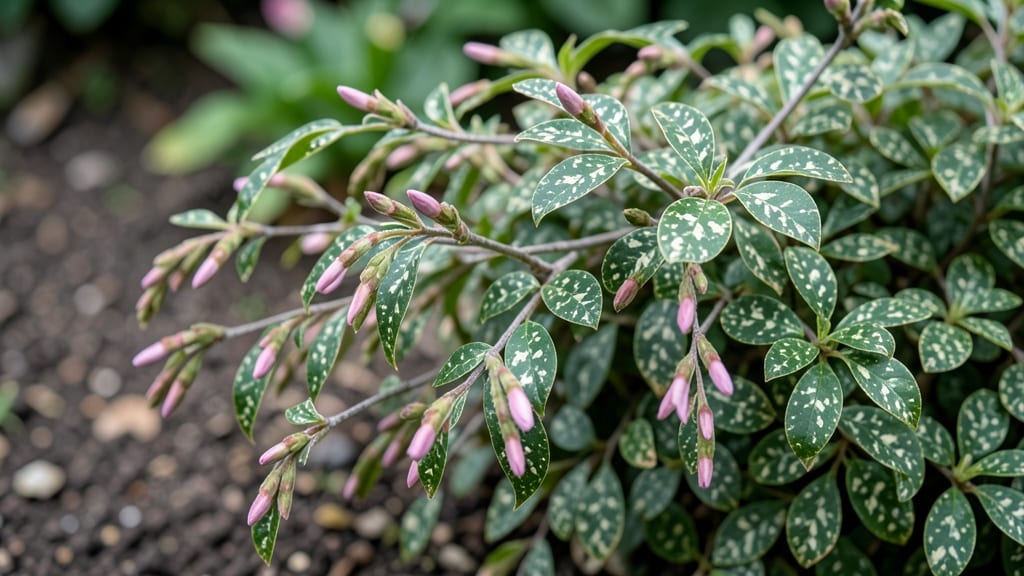
The dappled willow bush is deer resistant because its fibrous leaves and natural salicylate compounds create an unappealing taste and texture, while its hardy growth in poor soil and drought conditions further discourages deer from browsing.
The dappled willow bush earns its reputation as a deer-resistant plant through a combination of natural defenses. 🌿 Its thick, leathery leaves contain salicylates—compounds related to aspirin—that create a bitter flavor deer avoid. Unlike tender plants, this bush rebounds quickly after damage, making it less appealing for repeated grazing.
Plus, its ability to thrive in challenging conditions means deer won't bother with it when better options exist nearby.
For gardeners, this means less stress about deer damage while still enjoying lush, low-maintenance foliage. The bush's adaptability makes it perfect for problem areas where other plants struggle.
💡 In This Article
- Why Deer Avoid Dappled Willow Bushes: Natural Deterrents Explained
- Planting Dappled Willow Bushes: Best Practices for Deer-Proof Landscaping
Why deer avoid dappled willow bushes: natural deterrents explained
The dappled willow bush (Salix caprea) earns its deer resistance through a clever combination of chemical and physical defenses. Its leaves contain salicylic acid, the same compound found in aspirin, which creates a bitter, almost medicinal flavor that deer instinctively avoid.
These compounds aren't just unpleasant—they can cause mild digestive upset in deer, making the bush a last-resort food source. 🌿 Studies show deer prefer plants with sugar-rich, tender leaves, and willow's fibrous texture (measuring 0.5-1.0 mm leaf thickness) makes it physically difficult to eat in large quantities.
What makes this bush particularly effective is its rapid regrowth—after deer take a few bites, new shoots emerge within 2-3 weeks, signaling to browsing animals that the plant is resilient and not worth their time. This contrasts sharply with slower-growing shrubs that deer can strip completely.
The bush's ability to thrive in poor soil conditions and drought further reduces its appeal, as deer naturally seek out more nutritious options when better choices exist nearby.
Ecologically, the dappled willow bush has evolved these traits to survive in its native habitats of Europe and Asia, where deer populations are abundant.
The leathery leaf texture (similar to magnolia leaves) creates a coarse mouthfeel that deer find unpalatable, while the woody stems provide structural support that deters chewing.
Unlike many ornamental plants that rely on repellents, willow's defenses are built into its very biology, making it a reliable choice for gardeners facing deer pressure.
Interestingly, the bush's dappled foliage pattern (created by silvery undersides) also plays a subtle role in deterrence. The contrasting colors make the plant more visually distinct in landscapes, potentially signaling to deer that it's less desirable than uniform green foliage.
This visual cue, combined with the chemical defenses, creates a multi-layered protection system that's hard for deer to overcome.
For comparison, consider how deer treat hostas (a favorite snack) versus willow bushes. Hostas have soft, tender leaves with high moisture content—ideal for deer nutrition. Willow's 3-5% higher fiber content and lower water retention make it a nutritional dead-end for browsers.
The difference is stark: while hostas get munched down to the roots, willow bushes stand tall with barely a nibble.
What most gardeners don't realize is that willow's deer resistance extends beyond just the leaves. The young bark contains even higher concentrations of salicylates, creating a bitter taste that deters deer from chewing stems.
This full-plant defense system makes the dappled willow bush one of nature's most effective deer deterrents without requiring chemical sprays or fencing.