
Pruning
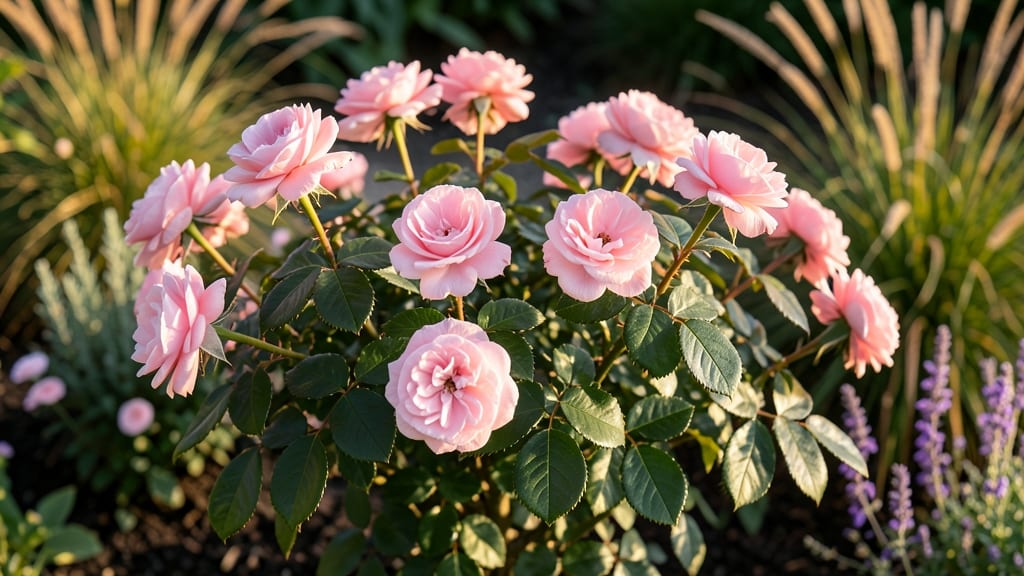
Your Cotton Candy rose bush will transform your garden into a dreamy pink cloud of fragrance—if you prune it right. 🌸 I’ve spent years perfecting the technique to coax those soft, semi-double blooms all season long, and the secret isn’t complicated: it’s about timing, cuts, and a little patience.
This isn’t your grandmother’s thorny rose—it’s a delicate, repeat-blooming stunner that thrives with the right care.
The magic happens in late winter or early spring, when you trim back about a third of last year’s growth. Focus on removing dead wood and crowded stems, then shape the bush to encourage airflow—this keeps blooms coming instead of one big flush.
The result? A bush covered in sweetly fragrant, cloud-like flowers from early summer until frost, with minimal fuss. Even my black thumb can’t kill these when I follow this method.
You’ll notice the difference within 4-6 weeks: fresh, vibrant growth pushing out, followed by those signature blooms that smell like a candy shop. The key is consistent pruning—not just once, but throughout the season—to keep the bush compact and productive.
This rose isn’t just pretty; it’s the kind that makes neighbors stop and ask, “What is that incredible scent?”
Works in garden beds, large containers, or even as a small hedge—just give it full sun (6+ hours daily) and well-draining soil. Here’s how to keep it thriving all season.
📚 In This Guide
- What you need
- Instructions
- Tips and common mistakes
- Wrapping up and next steps
What you need
- ● Cotton candy rose bush: 1 healthy, mature rose bush (preferably a floribunda or grandiflora variety for lush blooms).
- ● Pruning shears: 1 pair of sharp, sterilized bypass pruners (avoid anvil shears—they crush stems!).
- ● Gloves: 1 pair of thick, cut-resistant gardening gloves (roses have thorns!).
- ● Disinfectant: 70% rubbing alcohol or bleach solution (1 part bleach to 9 parts water) for sterilizing tools.
- ○ Pruning sealant (optional but recommended): Pruning wax or tree paint to protect cuts (1 small jar).
- ● Loppers: 1 pair for thicker branches (if your bush has stubborn stems).
- ● Hand pruners: 1 pair for delicate trimming (great for shaping).
- ● Garden hose or bucket: For rinsing tools and cleaning sap.
- ● Rake or broom: To clear fallen debris after pruning.
- ● Pruning guide: A measuring tape (1–2 feet) or ruler for precision cuts.
- ● Best time to prune: Early spring (just before new growth) or late winter (avoid pruning in fall or extreme heat!).
- ● Weather check: Choose a dry, overcast day to prevent stress on the plant.
- ● Safety first: Wear long sleeves and closed-toe shoes—roses don’t play around!
Sweet-fragrance pruning: Step-by-Step for cotton candy roses
Here's how I transform a single bush into a fragrant, blooming cloud of petals—year after year.
☀️ Step 1: Time Your First Pruning for Early Spring
Wait until after the last frost when soil temperature reaches 55°F—this is critical for preventing dieback. I check by pressing my finger into the soil; if it feels warm enough to hold a hand comfortably, it's time. Prune in the morning when temperatures are coolest to reduce stress on the plant.
Remove any dead, diseased, or crossing branches first. You'll know a branch is dead if it snaps cleanly when bent—healthy wood bends slightly before breaking. Use clean, sharp pruners to make cuts at a 45-degree angle, about ¼ inch above an outward-facing bud. This encourages new growth to angle away from the center, improving airflow.
✂️ Step 2: Shape for Airflow and Light Penetration
Open the center of the bush by cutting back any congested growth to 12-18 inches from the base. This is where most gardeners go wrong—they leave too much wood in the middle, which blocks sunlight and air. You'll see the difference immediately: new shoots will grow outward instead of crowding inward.
Look for three to five strong canes radiating from the center. These will become your main framework. Remove any weak, thin stems—these won't support blooms well. The goal is a vase-like shape that lets light reach every part of the bush. I like to step back every few cuts to visualize the overall form.
🌿 Step 3: Encourage Continuous Blooming with Strategic Cuts
After the initial shaping, focus on deadheading spent blooms immediately. This isn't just about looks—it signals the plant to redirect energy into producing more flowers instead of setting seed. Use your fingers or small pruners to snip just above a set of five leaves (this is where new growth will emerge).
For Cotton Candy roses specifically, I also cut back the longest stems by one-third after their first flush of blooms. This forces a second round of flowers later in the season. Watch for new buds forming at the base of old blooms—that's your cue to leave them be. These will develop into your most fragrant flowers.
💧 Step 4: Post-Pruning Care for Rapid Recovery
Water deeply within 24 hours of pruning to help the plant recover. You'll see new shoots emerge within 10-14 days if conditions are right. Apply a balanced rose fertilizer (10-10-10) at half strength to avoid burning tender new growth. I mix it with water and apply it to the soil, not the foliage.
Mulch around the base with 2-3 inches of organic mulch to retain moisture and regulate soil temperature. Keep the mulch 6 inches away from the stem to prevent rot. This is especially important in hot climates where soil can dry out quickly. The mulch will also help suppress weeds that compete with your roses for nutrients.
⏰ Step 5: Seasonal Maintenance for Year-Round Blooms
Repeat the shaping prune in early summer after the second flush of blooms. This keeps the bush compact and encourages one last round of flowers before winter. In fall, cut back any dead or diseased wood, but leave the healthy canes intact. Roses need their foliage to photosynthesize and store energy for next year's blooms.
Here's the thing—I never prune in winter. The bush enters dormancy to protect itself from cold, and cutting back now removes the protective buds. Instead, I wait until late winter when the first buds begin to swell. A light prune then removes any dead wood and prepares the plant for spring's first flush of blooms.
Tips & tricks for perfect cotton candy rose pruning
These little details make all the difference between a bush that just survives and one that thrives with endless blooms.
Timing is Everything: That 55°F soil temperature is your golden window—any earlier and you risk damaging tender buds just waking from dormancy. I've learned this the hard way after seeing roses struggle when pruned too soon. Use an infrared thermometer if you're unsure; it's a small investment that pays off with perfect timing. The morning light also matters—cooler temps reduce stress on the plant, helping it recover faster.
The 45-Degree Angle Secret: When making those critical cuts in Step 1, the 45-degree angle isn't just about aesthetics—it's about directing water away from the cut to prevent rot. I practice on scrap wood first to get comfortable; the angle should be just steep enough to create a natural water runoff channel. This small detail prevents fungal issues that can plague roses later in the season.
Visualizing the Vase Shape: For Step 2, think of your rose bush as an inverted vase. The 12-18 inch guideline for opening the center isn't arbitrary—it creates the perfect balance between airflow and structural support. After each cut, step back and imagine sunlight streaming through the center. You'll notice how the strong canes naturally form that beautiful radial pattern when you give them room to grow outward.
Deadheading Discipline: The moment a bloom fades is the moment to act. That five-leaf rule for deadheading isn't just a suggestion—it's where new growth emerges. I keep a small pair of pruners in my gardening apron for quick snips. This simple habit extends the blooming season by weeks, and those new buds you leave behind? They'll develop into your most fragrant flowers later in the season.
Pro Tips for Cotton Candy Rose Bush
- These little details make all the difference between a bush that just survives and one that thrives with endless blooms.
- Timing is Everything: That 55°F soil temperature is your golden window—any earlier and you risk damaging tender buds just waking from dormancy.
- The 45-Degree Angle Secret: When making those critical cuts in Step 1, the 45-degree angle isn't just about aesthetics—it's about directing water away from the cut to prevent rot.
Frequently asked questions
Got questions about growing and caring for your cotton candy rose bush? You’re not alone! Here are some of the most common queries—and their sweet solutions.
How often should I prune my cotton candy rose bush for the best blooms?
Prune your rose bush twice a year: once in late winter or early spring (before new growth starts) and again in mid-summer (after the first flush of blooms). Light trimming between blooms keeps it tidy and encourages more flowers. Pro tip: Never prune in fall—it can stress the plant before winter!
Can I prune my cotton candy rose bush too much?
Yes! Over-pruning removes too many buds and weakens the plant. Aim to cut back no more than ⅓ of the bush’s height per pruning session. Focus on dead, diseased, or crossing branches first, then shape lightly. If you’ve already overdone it, don’t panic—just reduce future cuts and fertilize to help it recover.
What’s the best way to revive a cotton candy rose bush with no blooms?
Lack of blooms often signals over-fertilization, poor sunlight, or improper pruning. First, check its location—6+ hours of sun daily is a must. Next, feed with a balanced rose fertilizer (low in nitrogen) in spring and summer. Finally, prune aggressively in spring to encourage new growth and flower buds. Patience helps too—some varieties need 2–3 years to mature!
Are there alternatives to cotton candy rose bushes for sweet-smelling gardens?
If you love fragrant blooms, try these low-maintenance alternatives:
- David Austin English Roses – Classic, fragrant, and repeat-blooming.
- Double Delight Rose – Disease-resistant with a sweet, candy-like scent.
- Lavender or Mock Orange – Fragrant but drought-tolerant.
- Dianthus or Sweet Alyssum – Easy perennials with sweet, honey-like scents.
How do I protect my cotton candy rose bush in winter?
Cold-hardy to USDA Zone 5, but young or tender bushes need extra care. Mulch heavily (3–4 inches) with straw or shredded leaves, and wrap the canes in burlap if temps drop below 10°F. Avoid pruning until late winter—dormant buds form over winter! In spring, remove mulch gradually to prevent rot.
Wrapping up and next steps
Transforming your cotton candy rose bush into a fragrant, blooming masterpiece is easier than you think! With the right tools, timing, and techniques—like pruning for airflow and encouraging repeat blooms—you’ll enjoy lush, sweet-smelling roses all season long. 🌸
Now that you’re armed with tips and tricks, grab your pruners and get started! Whether you’re a pruning pro or a beginner, every snip brings you closer to a garden that’s as charming as it is fragrant. Happy pruning! 🌿