
Planting
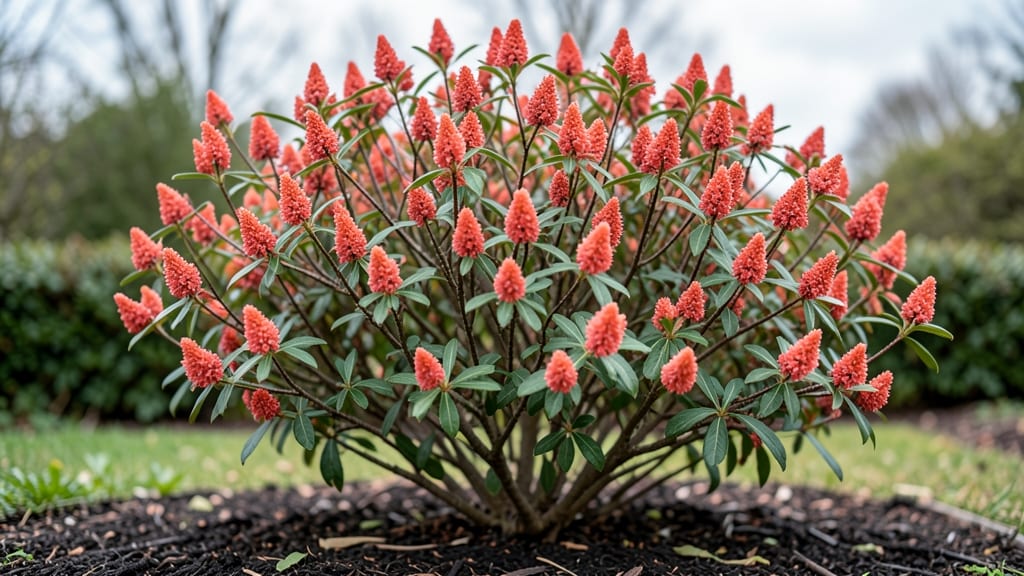
A coral bush plant transforms your yard into a wildlife magnet with vibrant blooms. 🌸 This drought-tolerant shrub thrives in full sun and needs minimal fuss—just the right soil and occasional pruning to keep it lush.
I’ve watched mine attract hummingbirds and butterflies for months, proving it’s both beautiful and functional. The key to success starts with well-draining soil—mix in compost if your yard is heavy clay. Plant in spring or early fall when temperatures are mild, and space bushes 3-5 feet apart for airflow.
Water deeply once established, but avoid soggy roots. In just 2-3 years, you’ll see sturdy stems packed with coral-pink flowers from summer through fall. Prune back in late winter to encourage fresh growth and maintain shape. The best part?
It handles cold down to Zone 4, so it’s perfect for northern gardens too. Whether you’re adding color to borders or creating a pollinator haven, this shrub delivers. Here’s how to set yours up for long-term success!
📚 In This Guide
- What you need
- Instructions
- Tips and common mistakes
- Wrapping up and next steps
What you need
- ● Coral bush plant (Erythrina spp.) – Choose between seeds, young seedlings, or a mature shrub (3–5 gallons in size for best results).
- ● Well-draining potting mix or garden soil – A blend of 60% native soil, 30% compost, and 10% perlite/sand (for containers).
- ● Organic fertilizer – A balanced 10-10-10 or low-phosphorus (5-5-5) formula (avoid high phosphorus for blooms!).
- ○ Mulch (optional but recommended) – 2–3 inches of shredded bark or pine straw to retain moisture and suppress weeds.
- ● Garden trowel or shovel – For digging holes (depth: 2–3 times the root ball).
- ● Pruning shears – To trim dead branches or shape the shrub after planting.
- ● Watering can or hose with a gentle spray nozzle – Coral bushes need deep but infrequent watering.
- ○ Gloves (optional) – Protects hands from thorns (especially on coralberry varieties).
- ● Container (if growing in pots) – A 5-gallon or larger pot with drainage holes for young plants.
- ● A sunny location – Coral bushes thrive in full sun (6+ hours/day) but tolerate partial shade in hot climates.
- ● USDA Hardiness Zones 7–10 – Check your zone to ensure your variety (e.g., Erythrina crista-galli for cooler areas).
- ● Drought-tolerant mindset – Once established, these shrubs need minimal watering (1–2 times/week in dry spells).
- ● Wildlife-friendly space – Butterflies, hummingbirds, and bees love coral bushes—leave room for visitors!
Step-by-Step guide to planting and caring for coral bush
Here's my foolproof method for establishing vibrant coral bush shrubs that thrive in full sun and reward you with seasonal blooms.
🌱 Step 1: Choose the Perfect Planting Location
Coral bush (Hamelia patens) craves full sun exposure—select a site that receives at least 6-8 hours of direct sunlight daily. I always scout the area in late afternoon when sunlight is harshest, since morning sun alone won't support the plant's flowering needs. The spot should have well-draining soil, as coral bush hates soggy roots.
Test your soil by digging a 6-inch hole and filling it with water. If it drains completely within 30 minutes, you're good to go. If water pools at the bottom, amend the soil with 2-3 inches of compost mixed into the top 12 inches of soil to improve drainage. Coral bush tolerates a range of soil types but performs best in slightly acidic to neutral conditions (pH 6.0-7.5).
🌿 Step 2: Plant at the Right Time and Depth
Plant your coral bush in early spring after the last frost date in your zone, giving it the entire growing season to establish roots before winter. Dig a hole twice as wide as the root ball but only as deep as the container—planting too deep suffocates the roots. Gently loosen the root ball if it appears compacted before placing it in the hole.
Backfill with native soil, pressing lightly around the edges to eliminate air pockets. Water deeply immediately after planting to settle the soil and encourage root contact. You'll know you've done it right when the soil surface looks slightly compressed around the base, but not rock-hard. Mulch with 2-3 inches of organic mulch (like shredded bark) to retain moisture and regulate soil temperature.
☀️ Step 3: Water and Fertilize for Strong Establishment
Water your coral bush deeply once a week during the first growing season, allowing 1-2 inches of water to penetrate the soil. Check moisture by sticking your finger 2 inches into the soil—if it feels dry, it's time to water. Overwatering causes root rot, so avoid frequent shallow watering. Coral bush is drought-tolerant once established, but young plants need consistent moisture.
Apply a balanced, slow-release fertilizer (10-10-10) at planting time, then again in early summer. I avoid high-nitrogen fertilizers—they promote leafy growth at the expense of flowers. Instead, use a low-nitrogen, high-phosphorus formula (like 5-10-5) in late spring to encourage blooming. Stop fertilizing after mid-summer to allow the plant to harden off for winter.
✂️ Step 4: Prune for Shape and Seasonal Blooms
Prune coral bush immediately after flowering in late fall or early winter to shape the plant and encourage next year's blooms. Remove any dead, diseased, or crossing branches first—these compete with healthy growth. Then, cut back up to one-third of the plant's height to maintain an open, airy structure that prevents fungal diseases.
Here's the thing—coral bush blooms on new wood, so don't prune too aggressively in early spring. You'll see fresh growth emerging from the base within 3-4 weeks of pruning. If you notice leggy growth or sparse flowering, it's a sign the plant needs more sunlight or a harder prune next winter. Always sterilize your pruners with rubbing alcohol between cuts to prevent bacterial spread.
🪴 Step 5: Protect and Maintain Through Seasons
Coral bush is hardy in USDA zones 9-11, but if you live in a colder zone, treat it as an annual or overwinter it indoors. In fall, reduce watering as temperatures drop, but keep the soil slightly moist. Once nighttime temperatures consistently drop below 30°F, move potted plants to a sheltered location or bring them indoors near a sunny window.
In spring, resume regular watering and fertilizing as new growth appears. Watch for pests like aphids or whiteflies—spray affected areas with neem oil if you spot sticky residue on leaves. Coral bush is generally pest-resistant, but stressed plants attract problems. The key to long-term success is consistent care—once established, this shrub requires minimal attention but rewards you with vibrant blooms from summer through fall.
Tips & tricks for thriving coral bush plants
These insider tricks will help you coax the most vibrant blooms and lush foliage from your coral bush—without the common pitfalls that trip up even experienced gardeners.
Sunlight Strategy: While the instructions highlight 6-8 hours of sunlight, I've found that morning sun paired with afternoon shade works best in extremely hot climates (like Zone 10+). The key is to avoid the harshest midday sun when temperatures exceed 95°F—this prevents leaf scorch while still supporting flowering. If you notice leaves curling or yellowing, it's a sign your plant needs more shade during peak heat hours.
Soil Test Hack: The 30-minute drainage test in Step 1 is foolproof, but here's what I do differently: I add a handful of perlite to the hole before planting. This creates instant drainage channels around the roots, especially important if your native soil is heavy clay. Coral bush roots are sensitive to waterlogging, and this small addition can prevent root rot before it starts. Think of it as insurance for your plant's long-term health.
Pruning Precision: When pruning in Step 4, I always make cuts at a 45-degree angle just above a leaf node or bud. This technique encourages new growth from exactly where you want it. Also, avoid cutting into old wood—look for fresh green growth when deciding where to make your cuts. The plant's ability to bloom on new wood means every cut should be intentional about promoting next season's flowers.
Winter Prep: For gardeners in Zone 8 or cooler, here's my fail-proof overwintering method: After the first frost, cut back the plant by half and wrap the base with burlap. Then, mound 6-8 inches of mulch around the base—this creates an insulating barrier that protects roots from freezing. I've successfully overwintered coral bushes this way in Zone 7 gardens with no winter damage. The mulch acts like a blanket for your plant's roots.
Pro Tips for Coral Bush Plant
- These insider tricks will help you coax the most vibrant blooms and lush foliage from your coral bush—without the common pitfalls that trip up even experienced gardeners.
- Sunlight Strategy: While the instructions highlight 6-8 hours of sunlight, I've found that morning sun paired with afternoon shade works best in extremely hot climates (like Zone 10+).
- Soil Test Hack: The 30-minute drainage test in Step 1 is foolproof, but here's what I do differently: I add a handful of perlite to the hole before planting.
Frequently asked questions
How do I know if my coral bush is healthy?
A thriving coral bush has glossy, deep green leaves and vibrant blooms (red, orange, or yellow) from late spring to fall. Watch for: yellowing leaves (overwatering), brown edges (underwatering), or sparse blooms (low light or poor soil). Prune leggy stems in early spring to encourage bushier growth.
When is the best time to plant coral bush?
Plant in early spring or fall when temperatures are mild (50–70°F). Avoid summer heatwaves—roots need time to establish before stress. If planting in containers, use well-draining soil and water deeply after transplanting. Pro tip: Mulch around the base to retain moisture!
Can coral bush grow in shade?
While it thrives in full sun (6+ hours/day), coral bush tolerates partial shade (3–6 hours of sun). In shadier spots, expect fewer blooms and slower growth. If your yard is low-light, pair it with shade-tolerant plants like hydrangeas or astilbes for contrast.
Why aren’t my coral bush flowers attracting pollinators?
Coral bush is a pollinator magnet—if bees or butterflies are scarce, check these fixes:
- Bloom time: Ensure it’s flowering (prune in late winter to encourage spring blooms).
- Watering: Stress (over/under-watering) reduces nectar. Keep soil consistently moist but well-drained.
- Location: Plant near other pollinator-friendly plants (e.g., coneflowers, milkweed).
If all else fails, hand-pollinate with a soft brush to help along!
How cold-hardy is coral bush, and does it need winter care?
Most varieties handle USDA Zones 5–9 (down to -15°F). In colder zones, protect young plants with mulch or burlap wraps. Prune dead stems in late winter (before new growth) to prep for spring. No extra care is needed in warmer climates—just enjoy its winter interest!
What’s a good alternative if coral bush doesn’t thrive in my climate?
If your area is too hot, humid, or cold for coral bush, try these low-maintenance, sun-loving shrubs:
- Butterfly Bush (Buddleia): Drought-tolerant, attracts pollinators, zones 5–9.
- Dwarf Fothergilla: Fragrant spring blooms, great for small spaces, zones 4–8.
- Abelia: Blooms spring to fall, thrives in heat/humidity, zones 6–9.
All three offer color and wildlife benefits!
Wrapping up and next steps
The coral bush plant is a vibrant, low-maintenance superstar for sun-drenched gardens, offering year-round color, wildlife support, and drought tolerance—all while requiring minimal fuss. Whether you're a beginner gardener or a seasoned pro, its beauty and resilience make it a must-have for adding life to your outdoor space.
Ready to transform your landscape? Start by checking your local nursery or exploring propagation tips to bring home your own coral bush today!