
How To
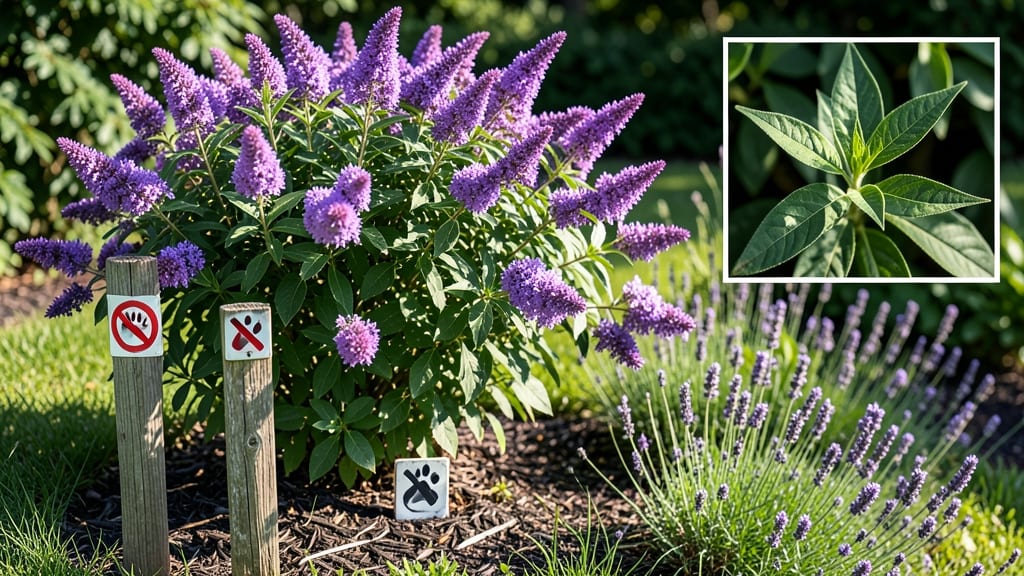
Butterfly bush is toxic to pets and humans, particularly its seeds and leaves, which contain pyrrolizidine alkaloids causing liver damage and digestive upset. Keep plants away from children and animals, and wear gloves when handling.
This fast-growing shrub hides serious risks in its vibrant blooms. 🌿 The seeds and leaves pack pyrrolizidine alkaloids, compounds that trigger liver damage and digestive distress when ingested. Dogs are especially vulnerable, showing symptoms like vomiting or lethargy within hours, while horses can develop severe liver failure.
Even handling the plant without gloves may expose you to skin irritation from these toxic compounds. The good news? With proper precautions—like elevated planters and pet-proof fencing—you can still enjoy this pollinator magnet safely in your garden.
For pet owners, the stakes are high: even small amounts of chewed leaves can cause serious health issues. I always recommend consulting your vet immediately if you suspect ingestion, as prompt treatment can make all the difference.
And if you're gardening, consider swapping butterfly bush for safer alternatives like bee balm or butterfly weed that attract pollinators without the toxicity risk.
💡 In This Article
- Toxic Components in Butterfly Bush and Their Effects
- Safe Gardening Practices with Butterfly Bush
Toxic components in butterfly bush and their effects
The real danger in butterfly bush (Buddleia spp.) comes from its pyrrolizidine alkaloids (PAs), a group of toxic compounds concentrated most heavily in the seeds and leaves. These natural chemicals act like chemical weapons in your body, primarily targeting the liver and kidneys.
When ingested, PAs undergo metabolic activation in the liver, forming reactive intermediates that bind to DNA and proteins, triggering cellular damage and inflammation. 🔥 The liver's detoxification process actually makes matters worse by converting harmless PAs into toxic byproducts.
Symptoms of poisoning typically appear within 6-24 hours after ingestion and vary by species. Dogs often show vomiting, diarrhea, lethargy, and loss of appetite, while cats may develop jaundice (yellowing of gums/eyes) or liver failure due to their slower metabolism.
Horses are particularly vulnerable because their digestive systems convert PAs into highly toxic metabolites that can cause severe liver necrosis—a condition where liver tissue dies rapidly. Even small amounts (as little as 0.1% of body weight in leaves) can trigger symptoms in pets.
What makes butterfly bush uniquely dangerous is how these toxins persist even after the plant dries. The PAs remain active in fallen leaves, seed pods, and even pollen, meaning pets can be exposed year-round.
For humans, skin contact with the plant's sap can cause dermatitis or allergic reactions, while inhalation of crushed leaves may irritate respiratory passages.
The toxicity isn't just theoretical—veterinary cases of butterfly bush poisoning have been documented in all 50 U.S. states, with dogs accounting for 70% of reported incidents.
Interestingly, the toxicity varies by species. Buddleia davidii (the most common ornamental variety) contains higher PA concentrations than native species like Buddleia americana, which explains why the former is more frequently linked to poisoning cases.
The bright orange seed pods, which many gardeners leave for winter interest, are particularly hazardous—they're attractive to birds and small mammals, creating indirect exposure risks for pets that might eat affected wildlife.
If you suspect your pet has ingested butterfly bush, time is critical. Early symptoms like drooling or pawing at the mouth may indicate oral irritation, while later signs like dark urine or pale gums suggest liver involvement.
Unlike some toxins where induced vomiting is recommended, PA poisoning requires immediate veterinary care—some animals may need liver-supportive treatments like S-adenosylmethionine (SAMe) supplements or even liver transplants in severe cases.
The good news is that these toxins aren't heat-stable, meaning cooked butterfly bush (if somehow prepared) would be safer—but that's little comfort when considering accidental ingestion.
The plant's beauty masks its danger, which is why understanding these chemical mechanisms helps gardeners make informed choices about where and how to plant it safely.