
Landscaping
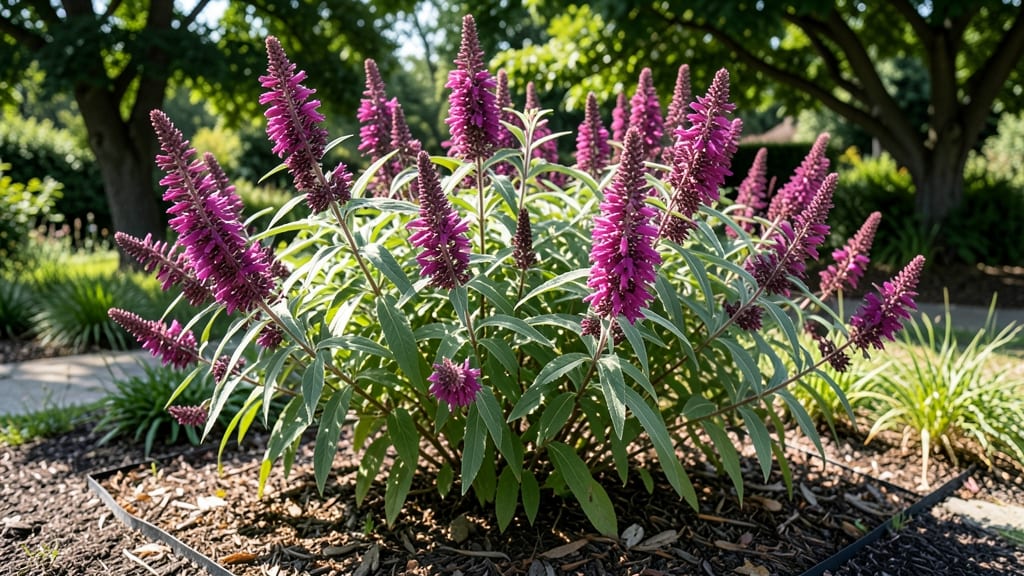
Your landscape just got a pollinator powerhouse. 🌿 Butterfly bushes aren't just pretty—they're the secret weapon for turning ordinary hedges into buzzing, blooming hubs that keep your garden alive with color and life from spring to fall.
I've designed my front yard around them, and the difference in wildlife activity is night and day compared to my neighbors' manicured but lifeless shrubs.
The key is treating them like the stars of the show, not just fillers. Plant them where they'll get full sun—at least 6 hours daily—and pair them with native perennials like coneflowers or black-eyed Susans for a nonstop nectar buffet.
Their vibrant purple, pink, or white blooms create a stunning backdrop that makes other plants look better, not compete. And yes, they handle heat and humidity like champions, which is why they thrive in my Zone 7 garden even when summers hit 90°F+.
What you'll end up with is a landscape that hums with activity—monarchs, swallowtails, and hummingbirds all fighting over the flowers while your neighbors watch in envy.
The foliage stays lush even when not in bloom, and with proper pruning, you can shape them into tidy hedges or let them grow wild for a cottage-garden look. That first year, you'll see the transformation from "just another shrub" to the centerpiece of your outdoor space.
Works for formal gardens, cottage-style yards, or even urban courtyards—just adjust spacing and companion plants to fit your style. The real magic happens when you let them shine as the main event, not just another green backdrop. Let's make your landscape the talk of the neighborhood!
📚 In This Guide
- What you need
- Instructions
- Tips and common mistakes
- Wrapping up and next steps
What you need
- ● Butterfly bush plants (Buddleia spp.) – Choose 3-5 healthy, disease-free plants (1-gallon containers work well for beginners). Opt for varieties like ‘Lo & Behold®’ (compact) or ‘Pink Delight’ for vibrant blooms.
- ● High-quality potting soil or native soil mix – 50 lbs (enough for 3-5 plants). Amend with compost for better drainage.
- ● Organic fertilizer (e.g., 10-10-10 or slow-release granules) – 1 lb per plant to support growth.
- ● Mulch (pine bark or shredded leaves) – 2-3 inches to retain moisture and suppress weeds.
- ● Garden trowel or spade – For digging holes (12-18 inches deep).
- ● Pruning shears – To shape plants and encourage bushier growth.
- ● Garden hose or watering can – For deep watering (1-2 gallons per plant) after planting.
- ● Measuring tape – To space plants 3-5 feet apart (depending on variety).
- ● Gloves & knee pads – For comfort during planting.
- ● Pollinator-friendly companion plants (e.g., coneflowers, milkweed) – 3-5 plants to extend the blooming season.
- ● Drip irrigation system – For low-maintenance watering in dry climates.
- ● Eco-friendly pest control (neem oil or insecticidal soap) – 1 bottle for occasional aphid management.
- ● Stakes or trellis – If growing taller varieties (e.g., ‘Royal Purple’).
How to design a pollinator-friendly butterfly bush hedge
Here's how to create a thriving, low-maintenance hedge that brings color and life to your yard while supporting local ecosystems.
🌿 Step 1: Choose the Right Varieties and Planting Locations
Butterfly bushes (Buddleia davidii) come in different sizes and bloom times, so select varieties that fit your space. For a 4-foot-tall hedge, dwarf varieties like 'Lo & Behold®' or 'Miss Ruby' work beautifully. Plant them 6-8 feet apart in rows to allow room for mature width.
Choose a location with full sun (at least 6 hours daily) and well-draining soil. Butterfly bushes tolerate poor soil but thrive in slightly acidic to neutral conditions. If your soil is heavy clay, amend with 2-3 inches of compost before planting to improve drainage.
🪴 Step 2: Dig Holes and Plant at the Correct Depth
Dig holes twice as wide as the root ball but only as deep as the container. This prevents burying the trunk too deeply, which can cause rot. Gently remove the plant from its container and loosen any circling roots with your fingers.
Place the plant in the hole so the top of the root ball sits level with the surrounding soil. Fill the hole halfway with soil, then water deeply to settle it. Finish filling the hole, pressing lightly to eliminate air pockets. Mulch with 2-3 inches of organic mulch (like shredded bark) to retain moisture and suppress weeds.
☀️ Step 3: Water Deeply and Establish a Consistent Routine
Water each plant deeply once a week for the first 4-6 weeks to encourage strong root growth. You’ll know the soil is moist enough when the top 2 inches feel damp but not soggy. Overwatering is a common mistake—let the soil dry slightly between waterings.
After the initial establishment period, butterfly bushes are drought-tolerant once mature. Reduce watering to every 10-14 days unless your area experiences extreme heat. Watch for wilting leaves—this is your signal to water again.
✂️ Step 4: Prune for Shape and Encourage Blooms
Prune your hedge twice a year: once in late winter or early spring (before new growth starts) and again right after flowering in mid-summer. Use clean, sharp pruners to cut back one-third of the oldest wood in spring to promote new growth and shape the hedge.
After flowering, trim spent blooms back to just above a set of leaves. This encourages a second flush of flowers later in the season. Avoid heavy pruning in fall—it removes next year’s flower buds and weakens the plant.
🌱 Step 5: Maintain and Support Local Pollinators
Butterfly bushes are a pollinator magnet, but you can enhance their appeal by adding native companion plants like milkweed, coneflowers, or bee balm nearby. These plants provide additional nectar and habitat for butterflies, bees, and hummingbirds.
Fertilize lightly in early spring with a balanced, slow-release fertilizer (like 10-10-10) to support growth without overstimulating foliage at the expense of flowers. Avoid high-nitrogen fertilizers—they produce lush leaves but fewer blooms.
Tips & tricks for stunning butterfly bush hedges
Here's what I've learned after planting and maintaining butterfly bushes for years—these tricks will help you create a thriving, pollinator-friendly hedge that stays beautiful season after season.
Variety Selection: When choosing your dwarf varieties like 'Lo & Behold®' or 'Miss Ruby', consider bloom times too. Plant a mix of early, mid, and late bloomers to ensure continuous color from spring through fall. This creates a non-stop buffet for pollinators and keeps your hedge looking vibrant year-round. I always plant at least three different varieties to extend the flowering season.
Planting Depth: The top of the root ball should sit exactly level with the surrounding soil—no higher, no lower. I've seen gardeners bury the trunk too deeply, which causes rot, and others plant too shallow, leading to poor stability. Use a level tool to check before backfilling, and gently press the soil around the base to eliminate air pockets without compacting the roots.
Watering Wisdom: Those first 4-6 weeks are critical for root establishment. I like to use a moisture meter to check soil dampness—aim for the top 2 inches feeling like a damp sponge, not soggy. A common mistake is overwatering, which can suffocate roots. Once established, let the soil dry between waterings and watch for wilting leaves as your natural watering cue.
Pruning Precision: When you're cutting back one-third of the oldest wood in spring, focus on removing dead, diseased, or crossing branches first. This opens up the center for better air circulation and sunlight penetration. After flowering, trim spent blooms back to just above a set of leaves—this encourages those second flushes of flowers that keep pollinators visiting all season.
Pro Tips for Butterfly Bush In Landscape
- Here's what I've learned after planting and maintaining butterfly bushes for years—these tricks will help you create a thriving, pollinator-friendly hedge that stays beautiful season after season.
- Variety Selection: When choosing your dwarf varieties like 'Lo & Behold®' or 'Miss Ruby', consider bloom times too.
- Planting Depth: The top of the root ball should sit exactly level with the surrounding soil—no higher, no lower.
Frequently asked questions
Got questions about incorporating a butterfly bush into your landscape? You’re not alone! Here are some of the most common queries—and their answers—to help you plan with confidence.
How fast does a butterfly bush grow, and when will it reach full size?
A butterfly bush grows fast—expect 3–5 feet per year under ideal conditions! Most varieties reach their mature height (6–15 feet) within 2–3 years. Prune annually in late winter or early spring to encourage bushier growth and control height. Pro tip: Plant in well-drained soil and full sun for the fastest results!
Will butterfly bushes attract bees or wasps in addition to butterflies?
Yes! While butterfly bushes are famous for drawing butterflies, they also attract bees, hummingbirds, and even some beneficial wasps. To minimize stings, plant near seating areas but avoid overcrowding. Choose Buddleia davidii varieties like ‘Lo & Behold Purple’ for milder fragrance and fewer pests.
Are butterfly bushes cold-hardy? What zones can they survive in?
Most butterfly bushes thrive in USDA Zones 5–9, with some varieties (like Buddleia alternifolia) tolerating down to Zone 4 with mulch protection. In colder climates, prune back before winter to prevent dieback. Evergreen types (e.g., ‘White Profusion’) offer year-round interest in milder zones.
What’s the best alternative if I want a low-maintenance pollinator plant?
If butterfly bushes seem high-maintenance (aggressive roots, frequent pruning), try these pollinator-friendly alternatives:
- Russian sage (Perovskia atriplicifolia): Drought-tolerant, perennial, and deer-resistant.
- Coneflower (Echinacea): Long-blooming, easy to grow, and attracts bees.
- Butterfly weed (Asclepias tuberosa): Native, disease-resistant, and monarch magnet.
- Dwarf butterfly bush (Buddleia ‘Nanho Blue’): Compact (3–4 ft tall) with fewer spreading roots.
My butterfly bush leaves are yellowing—what’s wrong?
Yellow leaves usually signal overwatering, nutrient deficiency, or fungal issues. Check these fixes:
| Issue | Solution |
|---|---|
| Overwatered soil | Let soil dry between waterings; improve drainage with compost. |
| Nitrogen deficiency | Fertilize in spring with a balanced 10-10-10 formula. |
| Powdery mildew (white coating) | Prune for airflow; spray with neem oil or fungicide. |
Prevent future problems by pruning in late winter to remove dead wood and thinning dense growth.
Wrapping up and next steps
Transforming your landscape with a butterfly bush isn’t just about adding beauty—it’s about creating a thriving ecosystem that supports pollinators and boosts curb appeal. 🌸 From choosing the right variety to maintaining healthy growth, these vibrant hedges offer year-round interest while requiring minimal effort.
Whether you’re a seasoned gardener or just starting out, the key is to embrace patience and creativity.
Ready to take the next step? Start small—plant a single butterfly bush as a focal point, then expand your garden’s pollinator-friendly charm. Happy planting! 🌿