
Flowers
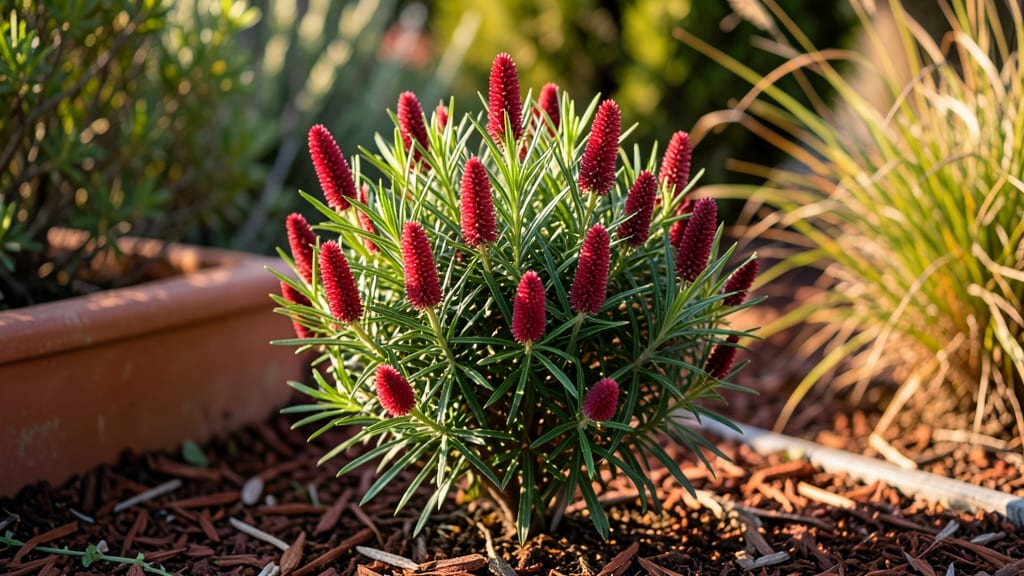
A bush with maroon flowers can transform your garden into a dramatic, year-round privacy screen that rivals any manicured hedge. 🌿 I fell for the deep burgundy blooms of Cotinus coggygria 'Royal Purple'—its feathery foliage and fiery flowers create a bold statement that never fades.
This plant thrives in full sun or partial shade, tolerates poor soil, and grows 6-10 feet tall with minimal fuss. Pair it with silvery-blue lavender for contrast or let it stand alone as a striking focal point.
The maroon tones complement everything—modern concrete patios, rustic stone walls, or cottage-style picket fences. Imagine a lush, 8-foot-tall wall of color that blooms from spring through fall, then holds its deep hues even in winter.
It’s the kind of plant that makes neighbors stop and ask, "What is that?"—and then never want to leave. Works in formal gardens, modern landscapes, or wild cottage borders. Here’s how to make it the star of your outdoor space.
The Science Behind Vibrant Blooms
If you’ve planted a bush with maroon flowers and noticed its bold hues fading, struggling to bloom, or even failing to thrive, the culprits are often rooted in genetics, environmental stress, and care mismatches.
Understanding these triggers can help you restore—or even enhance—your plant’s natural beauty. Let’s break down the key reasons why maroon-flowering shrubs may not perform as expected.
Not all maroon-flowering bushes are created equal. Some varieties are bred for vibrant, long-lasting blooms, while others prioritize hardiness or disease resistance over color intensity. Here’s what genetics can influence:
- Hybridization: Many maroon-flowering bushes (like Callistemon or Weigela) are hybrids designed for specific climates. If your plant isn’t blooming as expected, it might be a less showy cultivar or a seed-grown version that doesn’t match the parent’s traits.
- Color Stability: Maroon flowers often result from anthocyanin pigments, which can degrade under stress. Some plants naturally produce lighter blooms in cooler temperatures or lower light.
- Aging Effects: Older bushes may produce fewer or paler flowers as their energy shifts toward growth and maintenance. Pruning and rejuvenation can sometimes revive their vigor.
Actionable Tip: 💡 Check your plant’s tag or research its specific cultivar. If it’s labeled as a "dwarf" or "compact" variety, it may naturally have smaller, less intense blooms. For guaranteed maroon splashes, opt for Callistemon ‘King’s Park Special’ or Weigela ‘Wine & Roses’.
Maroon flowers thrive when their anthocyanin pigments are stimulated—but too much or too little of the wrong conditions can dull their vibrancy. Here’s how light and temperature play a role:
| Factor | Ideal Conditions | What Happens If… |
|---|---|---|
| Sunlight | 6+ hours of direct sun (varies by species) |
|
| Temperature | Moderate to warm climates (most maroon bloomers prefer 50–85°F) |
|
Actionable Tip: 🌡️ If your bush is in a shady spot, try moving it to a south-facing area (in the Northern Hemisphere) for brighter blooms. For heat-sensitive varieties, mulch the base to regulate soil temperature.
Maroon flowers often signal stress when their roots aren’t happy. Overwatering, underwatering, or poor soil can all lead to duller blooms or fewer flowers. Here’s how to diagnose:
- Overwatering:
- Leads to root rot, which starves the plant of nutrients needed for vibrant pigments.
- Causes yellowing leaves and dropped buds.
- Underwatering:
- Triggers osmotic stress, forcing the plant to produce less anthocyanin (the maroon pigment).
- Leaves may curl or crisp, and flowers can appear smaller and paler.
- Poor Soil:
- Compacted or clay-heavy soil restricts root growth, limiting nutrient uptake.
- Alkaline soil (pH > 7) can lock out essential micronutrients like iron and manganese, needed for pigment production.
Actionable Tip: ✨ Test your soil’s pH and amend it with peat moss or sulfur if it’s too alkaline. Water deeply once a week (adjust for rain) and ensure the soil has good drainage—mix in perlite or compost if needed.
Unseen invaders can sap energy from your bush, leaving it too weak to produce stunning maroon blooms. Common culprits include:
- Aphids & Spider Mites:
- Suck sap from leaves, causing stunted growth and smaller, weaker flowers.
- Leave behind sticky residue (honeydew), which can attract sooty mold and block sunlight.
- Powdery Mildew:
- Covers leaves in a white fungal film, reducing photosynthesis and dulling flower color.
- Thrives in humid, shaded conditions.
- Root-Knot Nematodes:
- Attack roots, causing poor nutrient absorption and weak, sparse blooms.
- Often undiagnosed until the plant declines.
Actionable Tip: 🔥 Inspect leaves weekly for pests. Treat aphids with a soapy water spray (1 tsp mild soap per quart of water). For powdery mildew, apply neem oil or ensure 3–4 hours of morning sun to dry foliage faster.
Even the hardiest maroon-flowering bushes need a strategic trim to encourage robust blooming. Poor pruning habits can lead to:
- Over-Pruning:
- Removes too many flower buds (which form on old wood in many varieties like Weigela).
- Can stunt new growth, reducing next year’s blooms.
- Under-Pruning:
- Allows the bush to become overgrown and leggy, with fewer flowers.
- Old wood may produce fewer blooms as the plant focuses on survival.
- 🔪 Prune Strategically – Trim back leggy stems by ⅓ to ½ in early spring (before new growth starts). Focus on inner branches to encourage bushier growth.
- 🌞 Optimize Sunlight – Ensure 6+ hours of direct sun daily. If shade is unavoidable, choose a variety like Abelia ‘Kaleidoscope’, which tolerates partial shade better.
- 🌱 Thin Out Crowded Bushes – Remove 1-2 oldest stems at the base to improve airflow and reduce competition for nutrients.
- 💧 Adjust Watering Habits –
- Too much water? Let soil dry 2-3 inches deep between waterings.
- Too little? Water deeply 1-2 times per week (adjust for clay vs. sandy soil).
- 🍄 Treat Fungal Issues – If leaves have black/yellow spots, apply neem oil or copper fungicide every 7-10 days.
- 🌱 Boost Soil Health – Amend soil with compost or slow-release fertilizer (high in iron & phosphorus for maroon blooms). Test soil pH—most prefer 6.0-7.0.
- ⏰ Prune at the Right Time –
- Spring-flowering bushes (e.g., Callistemon): Prune right after blooming to promote next year’s flowers.
- Summer-flowering bushes (e.g., Crape Myrtle): Prune late winter/early spring before buds form.
- 🌱 Fertilize for Vibrant Color –
- Use a balanced 10-10-10 fertilizer in spring.
- For deeper maroon hues, add iron sulfate (avoid excess—it can cause leaf burn).
- 🌞 Deadhead Regularly – Remove spent blooms to redirect energy into new flowers.
- 🐜 Identify & Treat Pests –
- Aphids/Spider Mites: Spray with insecticidal soap or neem oil (repeat every 5-7 days).
- Scale Insects: Scrape off with a soft brush or use horticultural oil.
- 🍄 Prevent Fungal Spread –
- Space bushes 3-5 feet apart for airflow.
- Water at the base (avoid wetting foliage).
- If powdery mildew appears, apply baking soda spray (1 tsp baking soda + 1 quart water + drop of soap).
- 📅 Prune Annually – Keep bushes compact and healthy with seasonal trims.
- 🌡️ Monitor Climate Stress – Protect from frost (below 20°F) with burlap wraps or move potted bushes indoors.
- 🌿 Rotate Plantings – If one bush struggles, try alternating varieties (e.g., Dwarf Fountain Crape Myrtle for smaller spaces).
- 📊 Track Soil & Water Needs – Keep a gardening journal to adjust care based on seasonal changes.
Revitalizing Your Blooming Privacy Screen
Reviving a bush with deep maroon blooms—whether it’s a Callistemon (bottlebrush), Crape Myrtle, or Abelia—requires targeted care. Below, we break down common issues and practical fixes to keep your privacy screen thriving with bold, year-round color.
Cause: Poor pruning, excessive shade, or overcrowding leads to sparse, stretched-out branches.
Solution:
💡 Pro Tip: Use clean, sharp pruners and sterilize with rubbing alcohol between cuts to prevent disease spread.
Cause: Overwatering, underwatering, fungal infections, or nutrient deficiencies.
Solution:
✨ Quick Fix: Wipe leaves with mild soapy water to remove dust, improving photosynthesis.
Cause: Lack of pruning, improper fertilization, or wrong blooming season.
Solution:
🎯 Bonus: Mulch with wood chips to retain moisture and suppress weeds, reducing stress on the plant.
Cause: Aphids, spider mites, or powdery mildew weakening the bush.
Solution:
🔥 Emergency Fix: For severe infestations, prune affected branches and dispose of them in sealed bags.
By addressing these common issues with timely care and prevention, your maroon-flowering bush will stay lush, vibrant, and a stunning privacy screen for years. 🌿✨
Frequently asked questions
1Which bushes with maroon flowers thrive in full shade?
Most maroon-flowering bushes need at least 4-6 hours of sunlight, but Abelia 'Kaleidoscope' and Pieris japonica 'Cavendishii' tolerate partial shade. For deeper shade, opt for Heuchera (coral bells) with maroon foliage—though they have smaller flowers. Always check your specific variety's light needs before planting.
2How do I make my maroon flowers stand out more in my garden?
Pair them with contrasting colors like silver foliage (e.g., lamb's ear) or bright yellow blooms (e.g., coreopsis). Use mulch in complementary tones (like dark brown) to enhance the maroon. For dramatic effect, plant them against a green hedge or dark wall to make the color pop even more.
3Are there any maroon-flowering bushes that attract hummingbirds?
Crape Myrtle (Lagerstroemia) and Weigela varieties produce tubular maroon flowers that hummingbirds adore. Callistemon (bottlebrush) is another excellent choice—their dense blooms provide both nectar and perching spots. Plant these near seating areas to enjoy the show!
4Can I grow maroon-flowering bushes in containers?
Yes, many varieties thrive in containers! Choose dwarf varieties like Dwarf Fountain Crape Myrtle or Weigela 'Wine & Roses'. Use a well-draining potting mix and a pot at least 18-24 inches wide. Move containers to sunny spots and water when the top 1-2 inches of soil dry out.
5Why are my maroon flowers turning brown at the edges?
This is often caused by underwatering or heat stress. Maroon flowers need consistent moisture—water deeply when the top 2 inches of soil feel dry. If your area gets very hot, provide afternoon shade or mulch heavily to retain moisture. Check for pests like spider mites too, as they can cause browning.